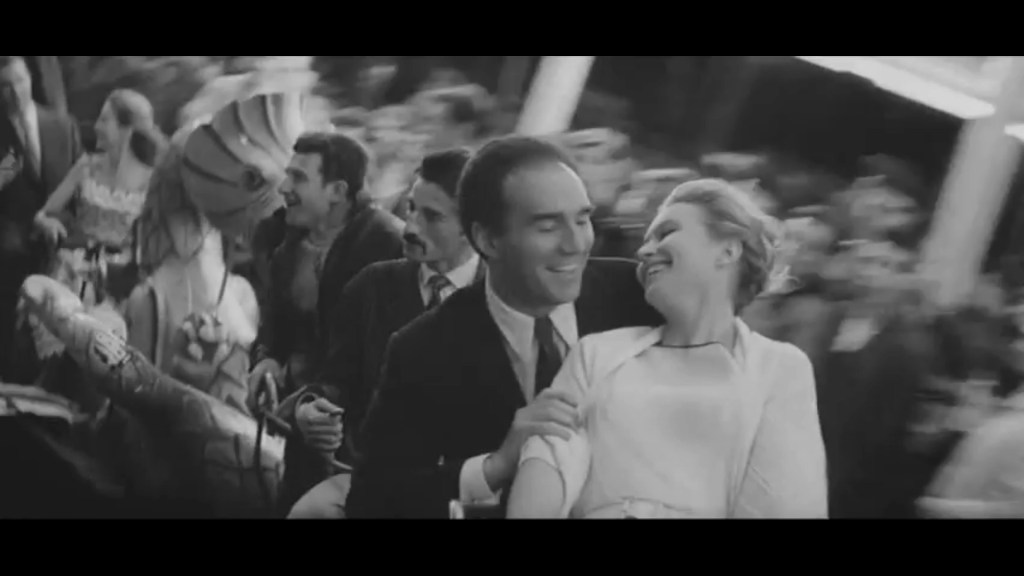
And Odile? And Odile? Who else but her doting husband would ask? There are men like Philippe who think their wives are their pets, and this is the story of Philippe Marcenat. We see him saying how much he loves his wife Lille Marcenat’s dress before going to a cocktail party with the minister, because he must comply with the strange ritual of the complacent husband who is possessed, and because there are films like this one where a macho man makes you feel that feminists have always been right (even if they scratch monuments) about the sick control and manipulation of men, because there are films, like this one,
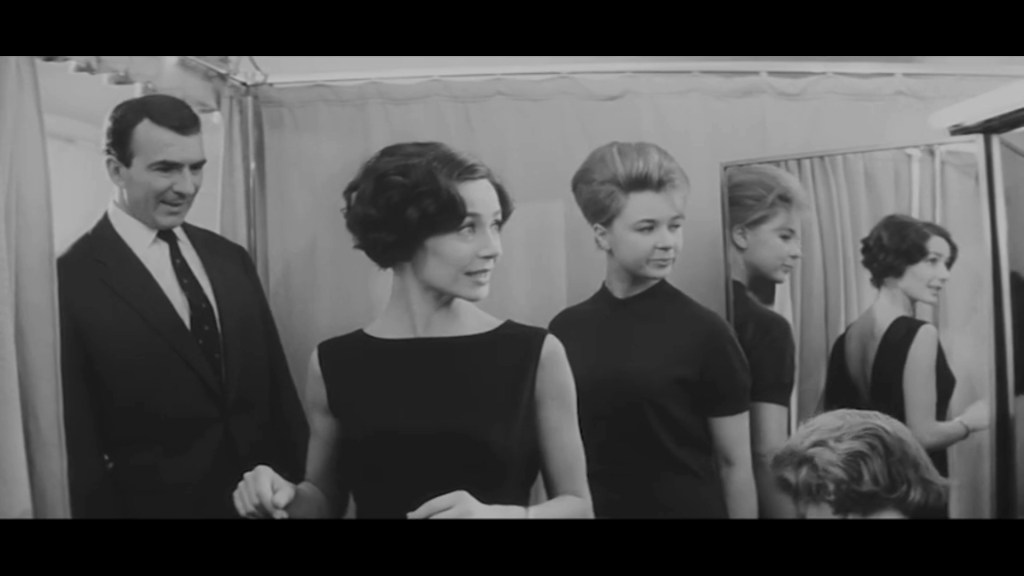
where the flirting of a heartthrob like the journalist François Crozant becomes more intense and more serious; more intense because there are films like this one where there will be a second date without the husband knowing, and in tone because there will be films similar to this one where the four of them, Misa, Odile, the grumpy husband and the handsome journalist, go on the merry-go-round, the bumper cars, the fortune teller, and everyone has fun, except for the insecure Philipp. And this will be demonstrated when Misa and François suggest continuing the night by going dancing and the husband, with monster eyes, says NO and continues arguing like a five-year-old child at home.
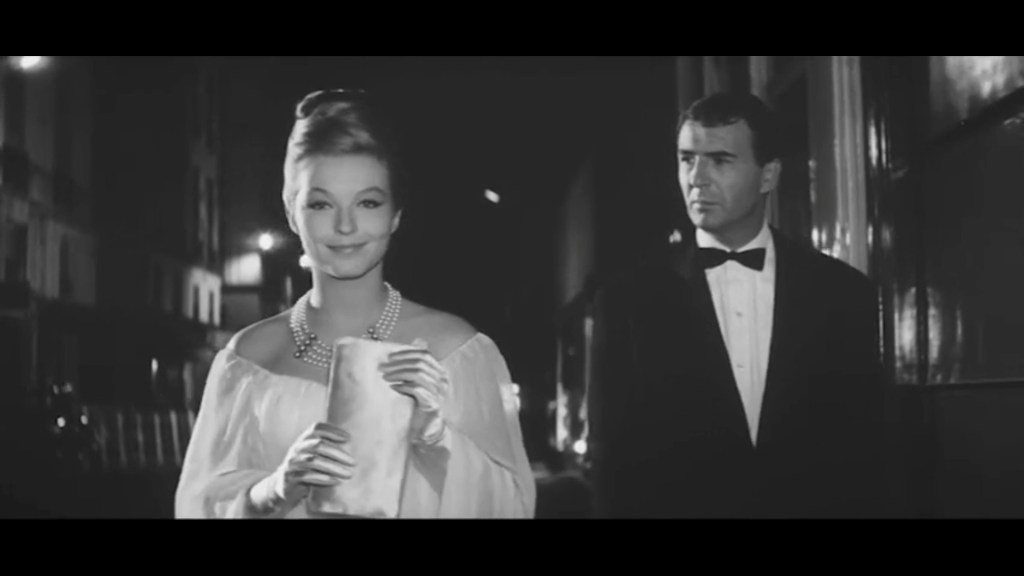
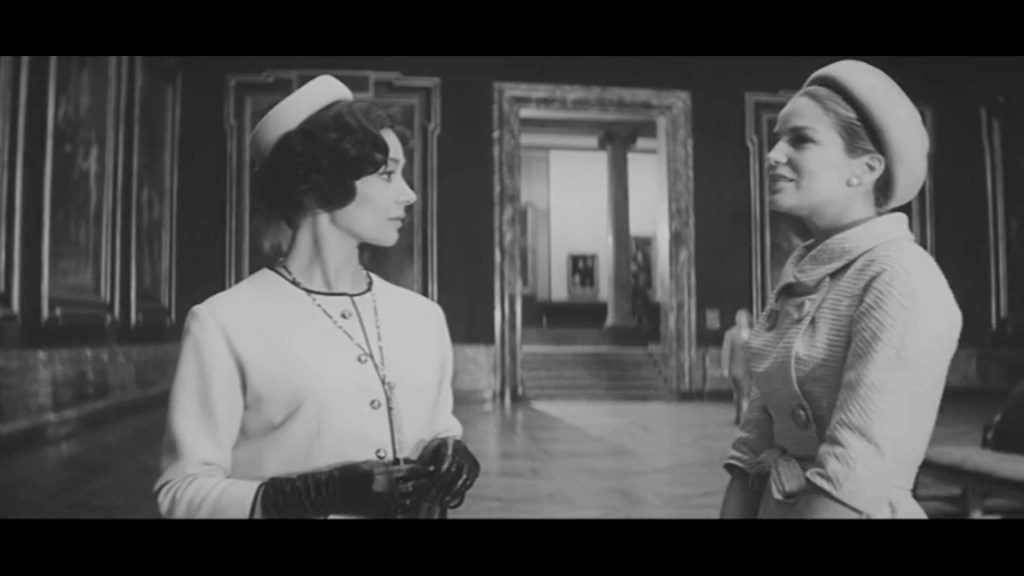
The husband was kissed a few hours earlier by Misa when he wasn’t expecting it, but no one will be bothered by that, right? The next day, things get worse when the husband visits his parents in the countryside and the beautiful Odile does not accompany him, but when ‘Othello’ calls her and she does not answer, he rushes back to Paris and cannot find her. While at the printing shop where she works, his wife finally catches up with her and tells her husband’s colleague that she has just come from the Louvre.
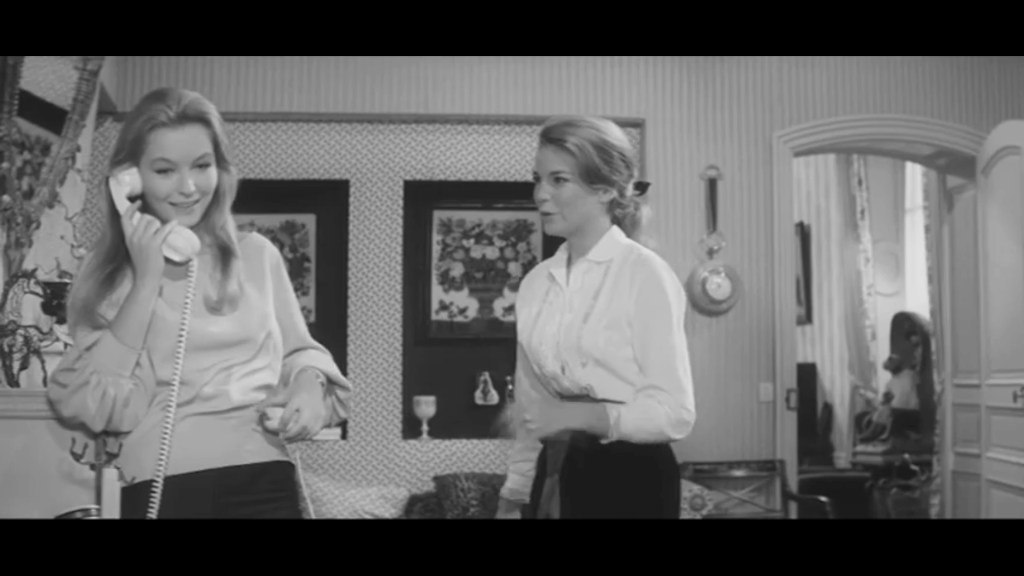
But the Louvre is closed on Tuesdays, and she admits to lying to show off in front of her colleague. Why? The plot leaves us wondering whether Odile is cheating on him with Crozant or someone else. This also happens when he says goodbye to her at the train station and finds out that his wife has gone to the same place where François was. Jealousy and more jealousy and so on until they divorce without arguing or fighting. Shortly afterwards, or perhaps a long time later, it is difficult to tell the time jump, Philippe leaves with his companion Isabelle and ends up living with her, but it doesn’t work out either and he accepts it, telling the beautiful Isabelle, ‘I never loved you’. Isabelle’s adaptation to Philippe’s life is extremely complicated as she struggles to fight the ghost of Odile.
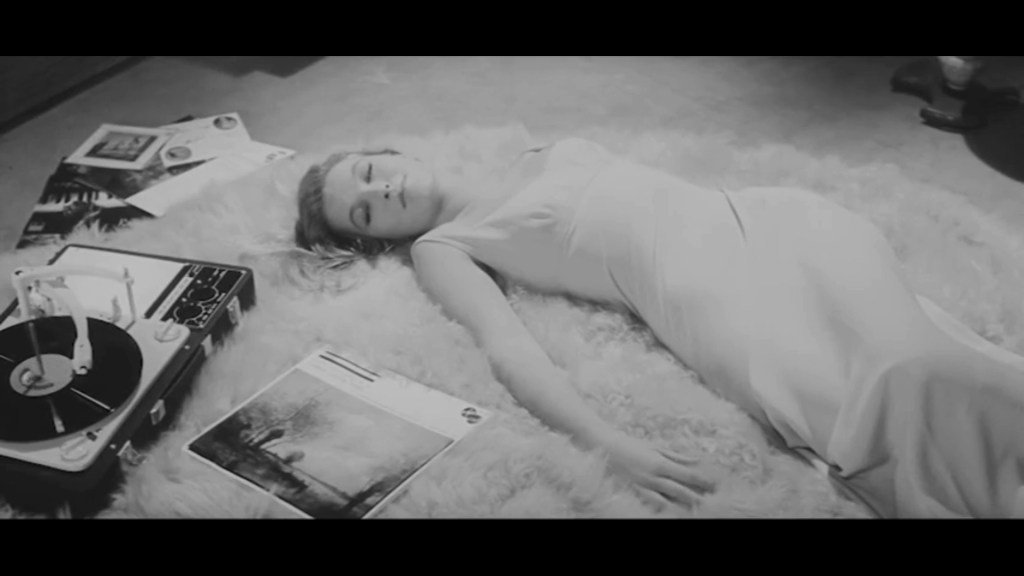
To make matters worse, one day, when she returns with her mother in a car in Parisian traffic, she sees Philippe with Misa outside the Louvre, and Isabelle’s illusions are shattered. but not before noticing Francois Crozant reappearing on the scene with another girl. In the end, neither Philippe nor Isabelle are happy, and everything falls apart when the narrative drama of Climats reveals the fragility of relationships, jealousy, misunderstandings and the pain of regret, all within the context of the French upper class, where appearances and hidden emotions play a fundamental role. Just as Odile kills herself out of sadness, she receives a call from Isabelle, who tells Philippe, who goes to recognise her and finally, too late, realises that she always loved him, albeit in her own way. The epilogue says it all: ‘our destinies and our wills are almost always at odds’.
 Pantagruel´s liquor
Leave a comment