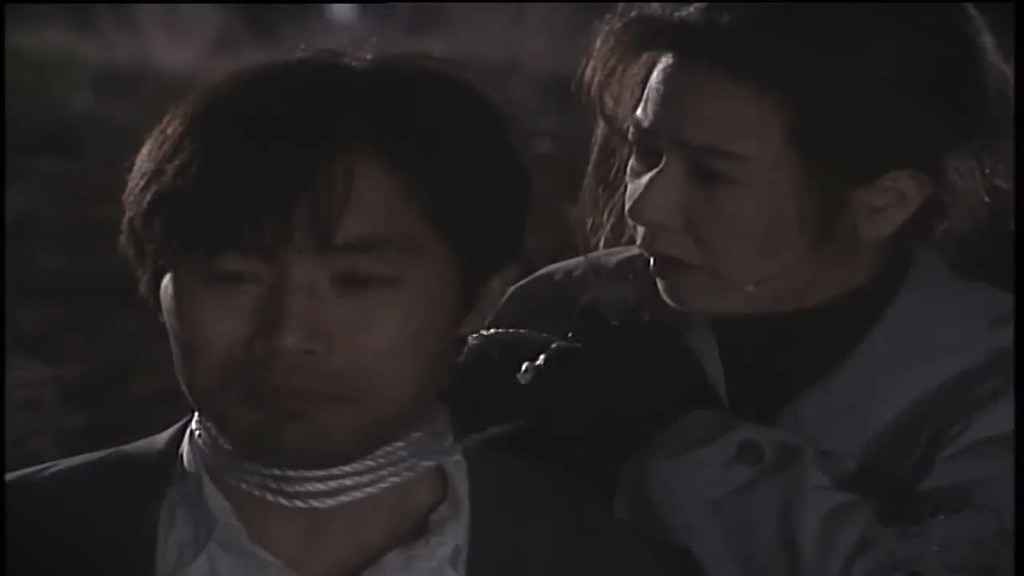
A very unusual adaptation of Seichô Matsumoto that, by chance, was screened at Monstra Deluxe 2025. Its greatest value lies not so much in the mystery but in the drawn-out drama and psychological motivations of the characters that are revealed as the investigation progresses, led by the likeable but incisive Kyôzô Hakamada, who is trying to validate the payment of an insurance policy for the death of Umeda Yasutaro, Kizu’s minister of worship. Arm yourselves with patience if you don’t enjoy old-fashioned human puzzles, i.e., investigations based on interviews with witnesses and suspects who are not obvious.
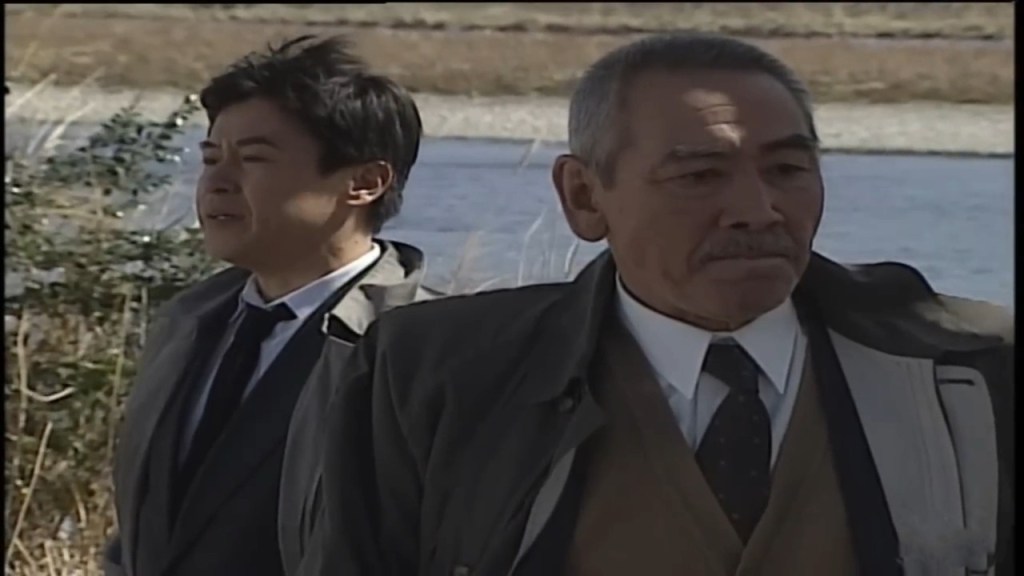
The investigator is suddenly assisted by Hirai, a veteran inspector whose opinion is respected by almost no one despite being on the verge of retirement. Much of the plot focuses on verifying the events of 2 April 1996, specifically the evening between 8 and 10 p.m., when Shizuko, Yasutaro’s gentle wife, allegedly went to the theatre on her last day in Tokyo before the couple returned to their home in Tsuyama. But the confusion of the story begins when, despite having no enemies, Yasutaro was not particularly well-liked by his sister-in-law, who distrusted him, or by the parishioners or fellow priests of the deceased. The testimonies contradict each other, which serves to further complicate the plot, especially when it emerges that Yasutaro had invested a lot of money—including his brother and sister-in-law’s inheritance, not just his own—in shares with unknown individuals, but had not revealed how he intended to recover it or with whom he had made the deal. When things went wrong, he had lost huge amounts of money and assets lent to him by his relatives, as well as an extra sum he had borrowed from a group of parishioners in Tsuyama. He never obtained any receipts or anything else for the money he handled and literally lost everything.
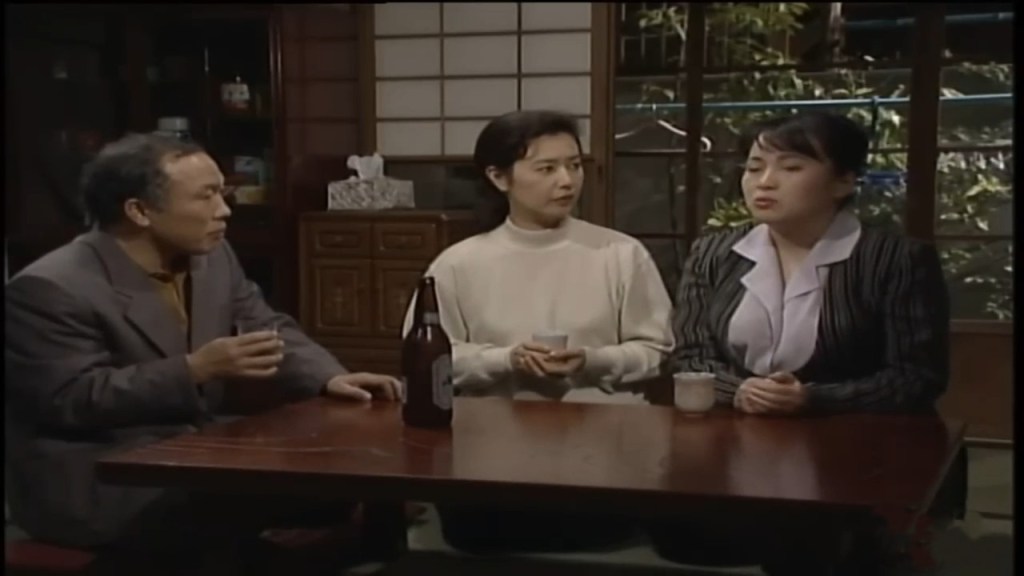
The matter becomes controversial when Aoki and his partner claim to have gone to Uedo to see the cherry blossoms at a certain time when they were supposed to be at the theatre with Shizuko and shopping (for a German knife, as he was a barber) in Ginza. First, his brother and his wife want their money back, and they won’t give it to them. ‘Why didn’t you ask for a receipt or a guarantee?’ ‘I’m not like you.
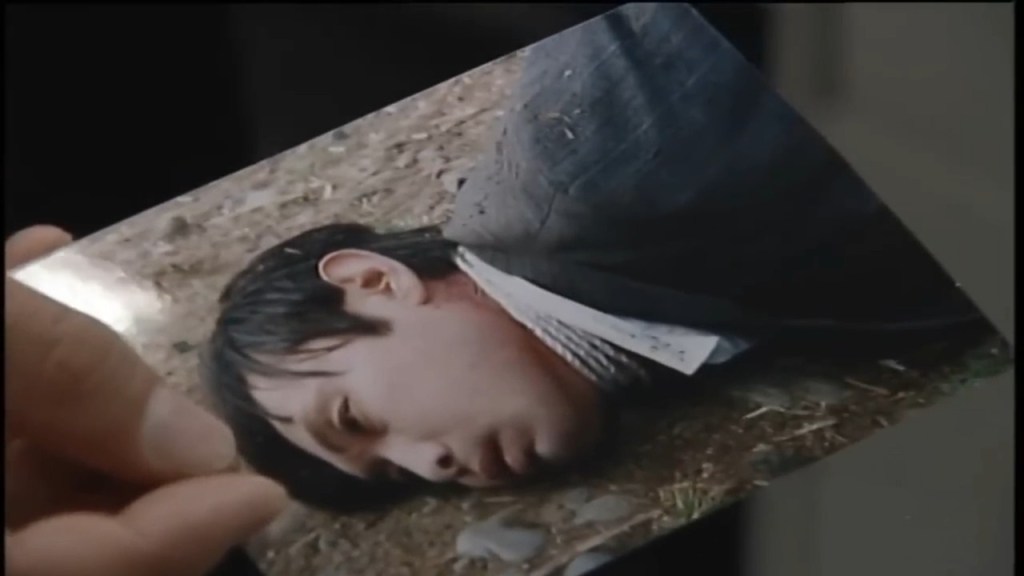
You take the bus with stops. You always follow a set path. I don’t like to live my life that way,’ the deceased confesses to his brother. When the investigator discovers the wife, she confesses, ‘I had already planned to live alone for the rest of my life because I wouldn’t have lived with my husband anyway.’ The rope referred to in the title is the object with which the minister was strangled, and the coroner determined that he was hanged with loving hands. When the insurance investigator tells the ex-wife that it could still be suicide, she replies, ‘I’ve already killed someone with my own hands,’ but the rope or noose is also symbolic when the authorities realise that the husband had known since March that he was going to die and had only imagined how to get his wife to pay out the insurance money while at the same time tying her to himself forever with the rope, due to jealousy, as Shizuko had little or nothing in common with the deceased.
 Pantagruel´s liquor
Leave a comment