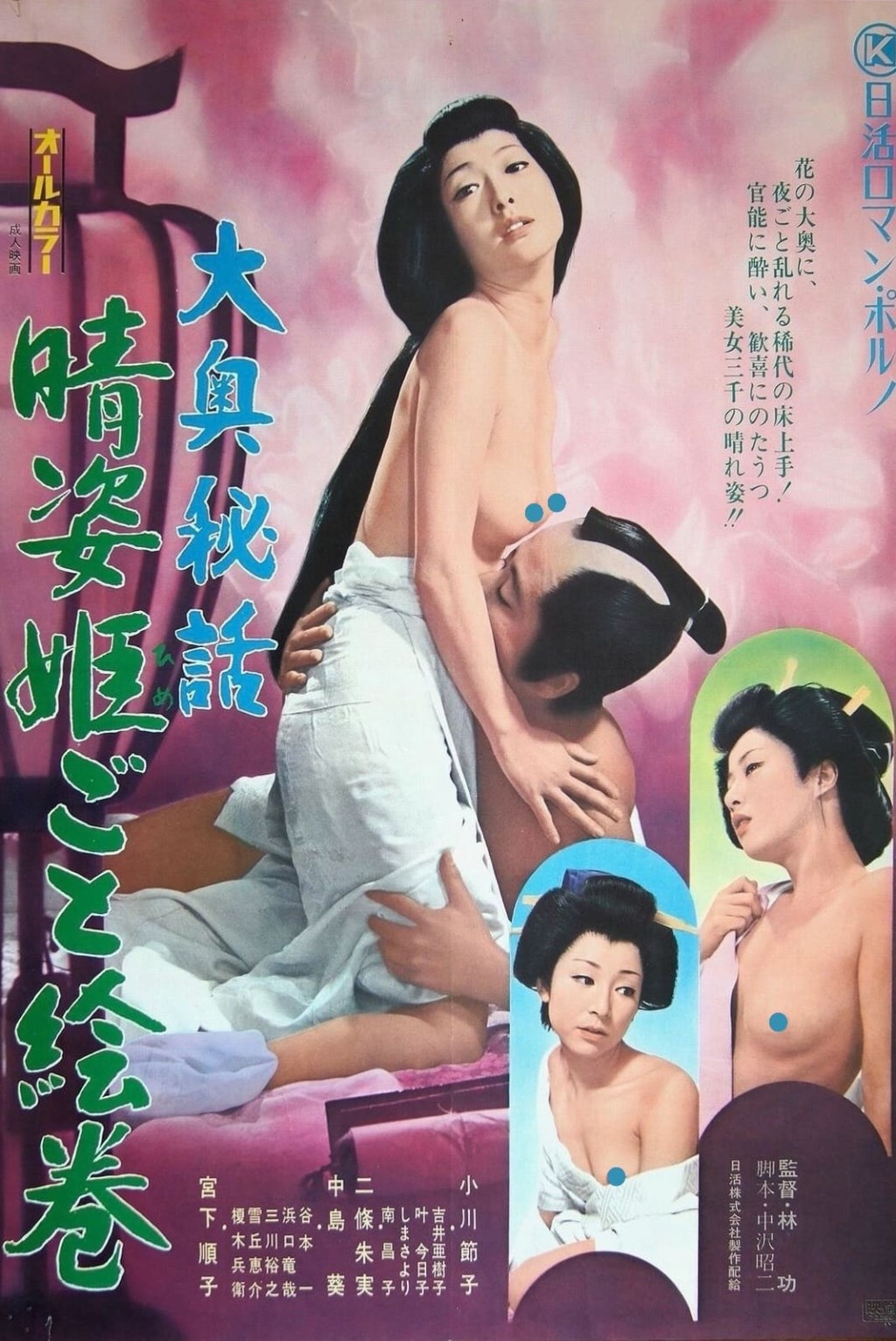
The story is set in a period of Japan that can be described as turbulent. Many circumstances coincided to aggravate the plot, on the one hand (a) the serious feudal crisis of the Bakumatsu period, which led to (b) the decline of the Tokugawa shogunate; on the other hand (c) foreign pressure for Japan, which had been impenetrable for 200 years, to open up economically, which triggered the Meiji Restoration, especially due to (d) the disastrous arrival on the coast of Edo in 1853 of the American Black Ships, steam-powered vessels, and to make matters worse (e) a series of earthquakes measuring over 8 on the Richter scale that brought with them dire omens and collective beliefs – mistakenly – that they were divine punishment for imperial decisions. In short, this story—the film—begins when the prostitute Tamamo of Yoshiwara is bought and adopted under the name Chirei (Chimine) to be secretly brought into the Ōoku (the shogunate’s bedrooms or area for female companions) of the palace as a ‘lady-in-waiting’ because the others fail to capture the prince’s sexual interest.
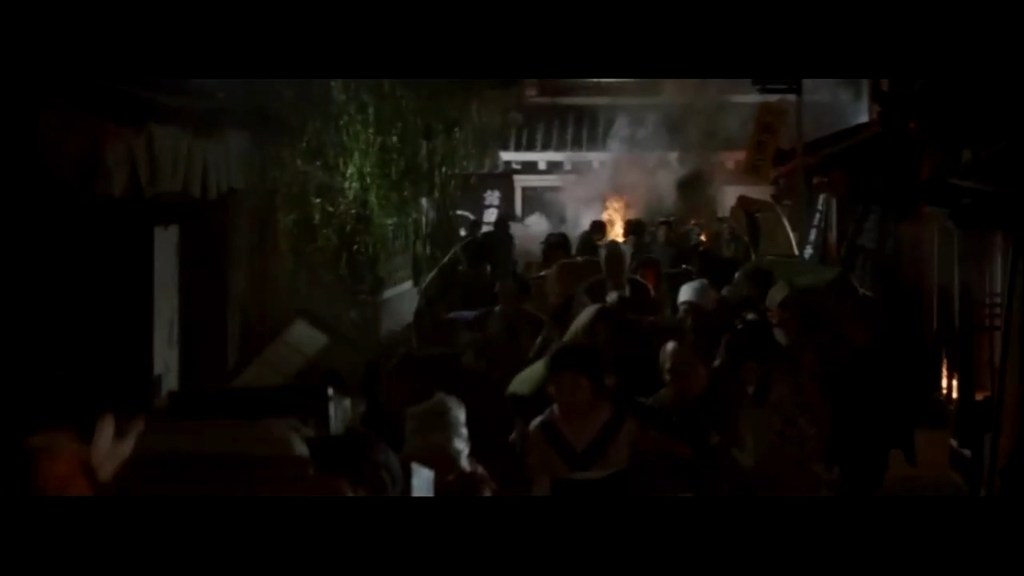
The sex scene in Yoshiwara is interrupted when the old man who owned her is murdered by the buyers who paid 1,000 ryu (500 just as a dowry for the prostitute). Chirei’s mission is to wear down the prince’s health through uncontrolled sex, provoking him again and again to bring about his downfall and weakening, thereby benefiting the Keiki faction of Mito or the Yoshifuku faction of Kiis, thus preventing him from becoming the royal heir.
I share a taste… https://www.youtube.com/watch?v=gztXFjyyRgw
But on the other hand, Minister Abe Masahiro is loyal to the shogun and, in order for the prince to satisfy the sexual desires of his women, he hires an old acquaintance of the shogun, Aoyama Toshosuke, who since childhood has lived as the prince’s double, replacing him during the most difficult moments of his childhood and life. They meet again and memories come flooding back.
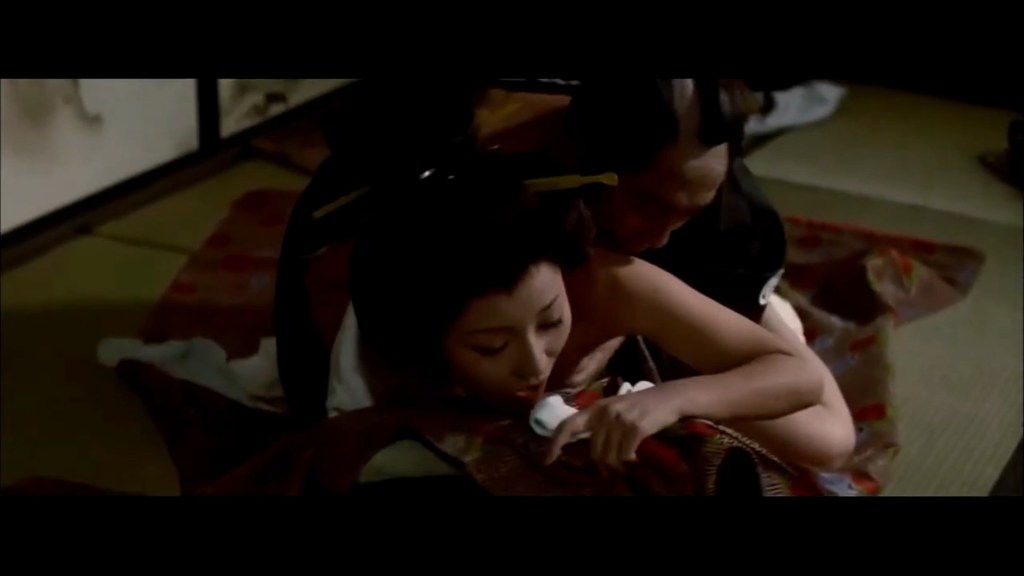
The curious thing is that Aoyama, pretending to be someone else, has sex with Tamamo, or rather Chimine (Chirei), who is pretending to be someone else after having been bought. In fact, when at the end of the story it transpires that the real prince, although ill, will fulfil his sexual routines in person, the former prostitute herself is ordered not to let him leave the bedroom alive, and she boasts that she will return to her previous body to kill him. The missing ingredient, folklore or mysticism, enters the story: Tamamo is based on the legendary Tamamo-no-Mae, a fox spirit (kitsune) who, according to myth, disguises herself as a beautiful woman to seduce and destroy rulers, as in the story where she possesses a concubine of Emperor Toba and is exposed as an evil being.

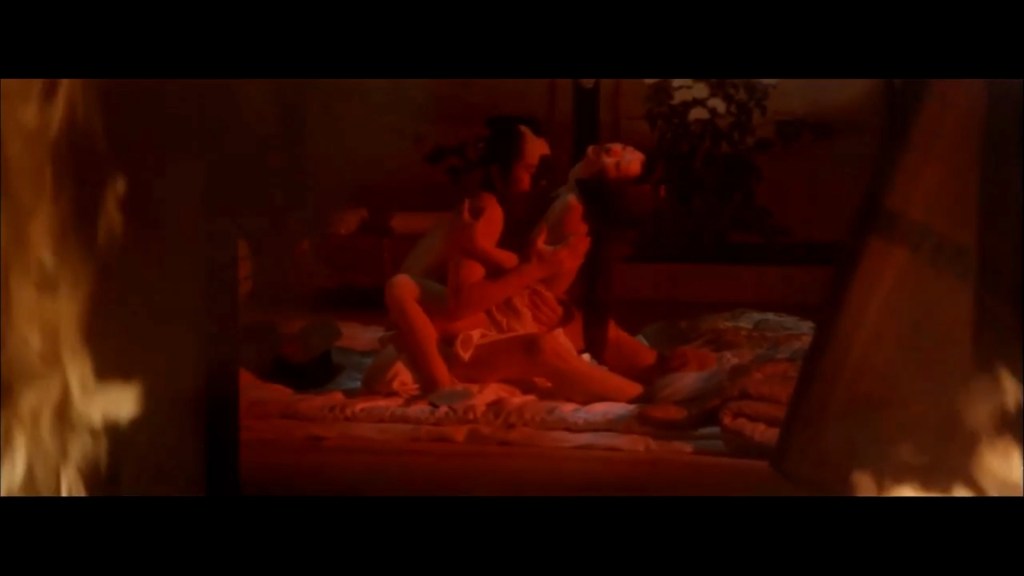
In the film, her threat implies that once the shogun (or ‘crown prince’ in the narrative context, referring to Iesada or his successor) is no longer protected by the double Aoyama and must face the encounters directly, she will ‘return to her body’ – possibly alluding to spiritual possession or her true vengeful form – to murder him, fulfilling her lethal mission. I repeat that everything revolves in part around those cursed blackened steamships that arrived two years ago in Edo Bay, i.e. Tokyo, and the frequent earthquakes caused by the rulers’ bad decisions. On the last night, one of the earthquakes – already mentioned in the Nankaido and Tokaido plots – shakes the palace when the two impostors discover their true feelings in the bedroom, and the tremor, measuring over 8 on the Richter scale, knocks over a candle, starting the fire in which the couple decide to merge their tragic but beautiful love in the flames: the man who had always been the willing shadow of the sick prince, and the daughter of an unknown farmer from Kawagoe who was happy believing that her greatest success and achievement was to enter the brothels of Yoshiwara, never imagining that destiny had glory in store for her in Edo.


Leave a Reply