By starting with the doctor’s pitiful monologue (check out his shoes, according to the self-proclaimed failure) in this film, Gavaldón immortalized a moment in time in Mexico City.Through the dolly shot in the first minute of the film, we see the columns of the Palace of Fine Arts as the camera follows Arturo de Córdova walking from today’s Eje Central Lázaro Cárdenas towards the Alameda, laid out by Luis de Velasco centuries ago. and in the depth of field, look, still under construction—in the rough—the enormous and towering platforms, metal and planks of the skeleton of the emblematic Torre Latinoamericana, which would be inaugurated in 1956, five years after this film. I’m not done yet. Pay attention to the metacognition of the dejected doctor, as he ruminates on his triumphs and failures in the midst of a midlife crisis, pointing out that he has not made a fortune and does not know if he has contributed anything to humanity. Behind him, look at the Cine Prado on Avenida Juárez, which disappeared in the 1985 earthquake. Perhaps with another play on words, but I have already observed in other reviews that sometimes we discover the destiny of our existence in this world after vilifying and tirelessly shunning those paths that paradoxically led us, like Charon, to the other end of the future. Dr. Alberto has just arrived in Mexico City for an appointment at a prestigious hospital after spending decades of practice, not to mention joys but also countless regrets in the town of Santa Cruz, in Michoacán, Mexico.
He has made the hospital where he first arrived his home, and a letter from Father Juan de Santa Cruz has reached him. This letter prompts him to look back on his best and worst moments in the village, his anger at the indigenous people for preferring to take their sick to the healer or their wounded to the bone setters. It is in this way, by saving a worker’s arm from amputation, that he meets Soledad, the convalescent’s sister. In gratitude, Soledad devotes herself daily to cleaning and tidying the doctor’s house, but not before confessing her love to him, which the doctor immediately rejects for professional reasons. In the same village, the wild Indian Roque Suazo loses his mother and, heartbroken, leaves Santa Cruz, but on his return he claims his land, which is now occupied by tenants of David Acosta. Roque has given the invader a bloody beating and makes it clear that he has returned to work his land. The badly wounded man is, of course, treated by Dr. Alberto.
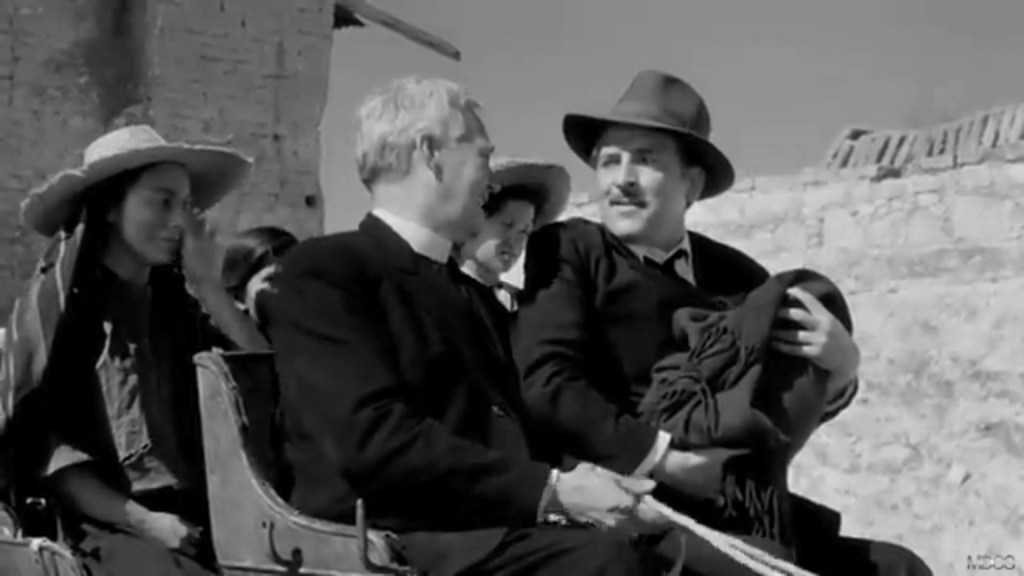
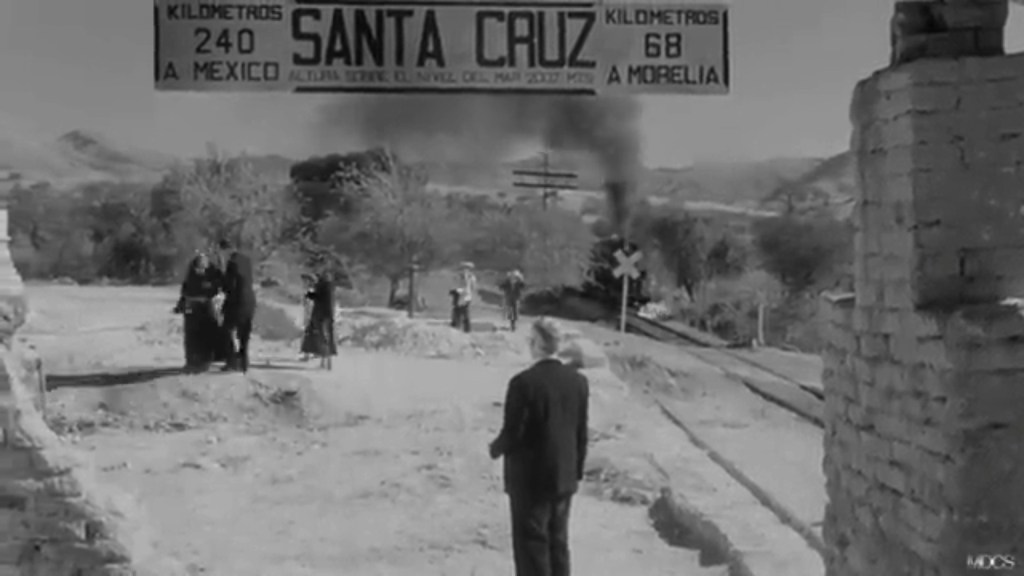
Meanwhile, Roque is fascinated by Soledad and harasses her whenever he can until he invites Soledad’s brother to plow the land so he can be closer to her, also under the pretext of hiring her to cook for the workers who are building a fence around his land. Soledad brings the garúl (food) for the workers and makes them “aporreo,” a dish typical of Tierra Caliente in Michoacán. When the doctor tries to leave in search of better opportunities, escorted by his antagonist and eventual best friend, Father Juan, they arrive at the train station, but before the train to Mexico arrives, a mother carries her sick child to him, and the doctor saves him and decides to stay in Santa Cruz again. When Father Juan and many in the town realize that Soledad is a daily visitor to the doctor’s office-home, Dr. Alberto finally opens his eyes and decides to marry Soledad when he returns from a three-day trip. Unfortunately, before he leaves, Roque takes advantage of a town festival and approaches her away from the crowd, getting her pregnant. When the doctor returns and tries to break the news of the wedding to Soledad, she obviously reacts harshly because she is already pregnant and considers herself impure, leaving the office and not returning. Soledad’s brother, seeing her pregnant, grabs a machete and attacks Dr. Alberto, believing him to be responsible for the outrage against Soledad. While playing chess with Father Juan, the doctor is challenged by the boy and takes a moment to understand.
Then he pulls an ace out of his sleeve and tells the boy that he will marry her, even showing him the marriage certificate he planned to have her sign before disappearing. The doctor attacks Roque and demands that he take responsibility for the child she is expecting. Roque, furious, calms down when he hears about the child and immediately goes to Soledad to ask her to marry him so he can name his son. Just as Roque and Soledad are about to get married, David shows up and mocks him, implying that the child is the doctor’s. A shootout ensues and Roque must escape with Soledad. Shortly thereafter, Roque returns desperate, asking for the doctor, as they are fugitives for the attempted murder (although he only defended himself) of David.
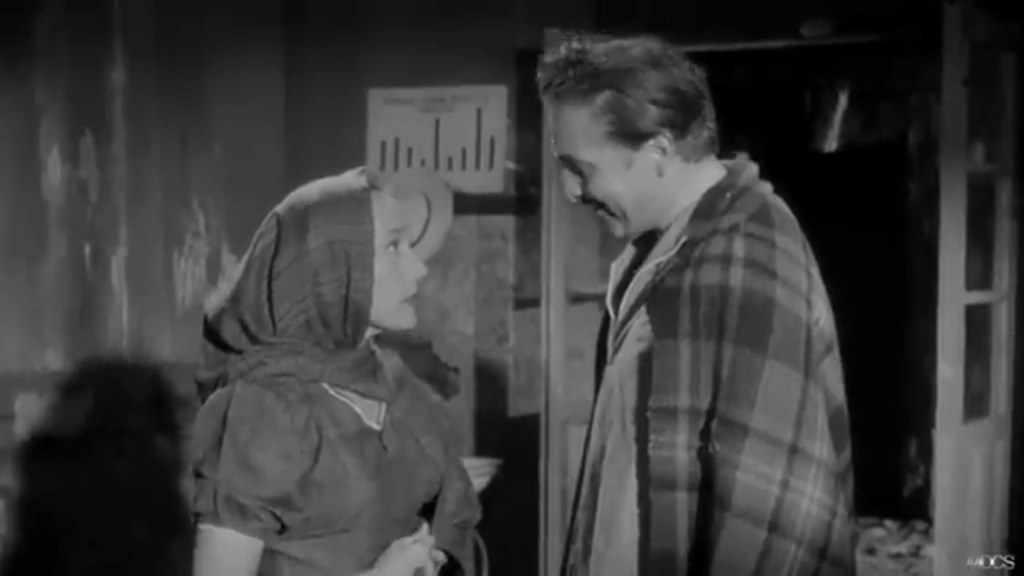
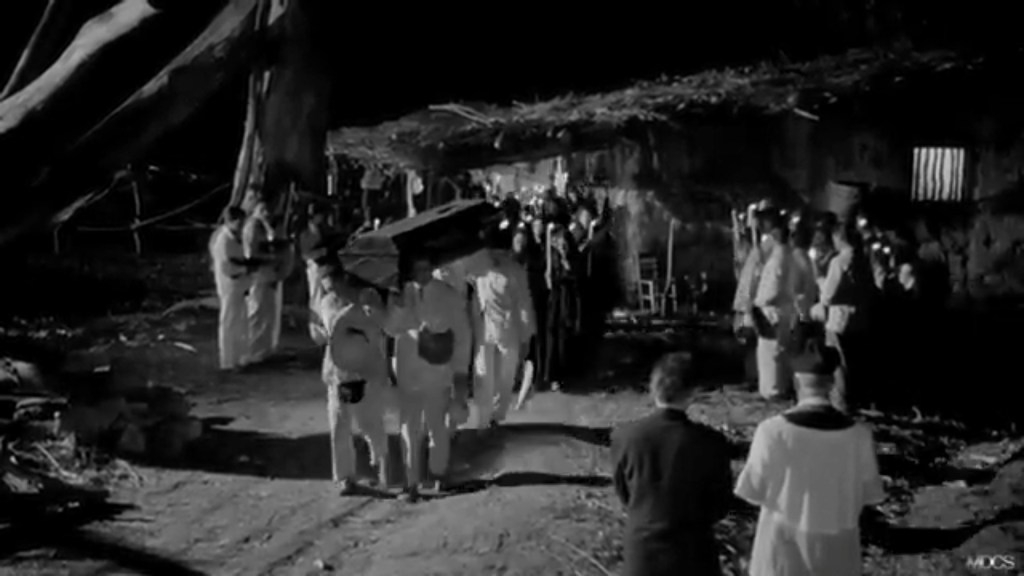
He is looking for the doctor because Soledad is dying while trying to give birth to his son. The doctor and Father Juan go to that dirty hideout, and it is the last straw for the doctor: he saves the child, but Soledad dies. He calls himself a failure and immediately decides to leave for Mexico. When he finishes reading the letter and reminiscing, Alberto enters the boardroom of the doctors who accepted him, but they warn him that he must agree to see the wealthy women who are their clients and not contradict them when they delusionally believe they are ill, even though they are not. Enlightenment has come to Alberto, and he knows that he must return to that town of prejudice and problems, but where he can practice his profession with the love and principles he has always embraced.


Leave a Reply