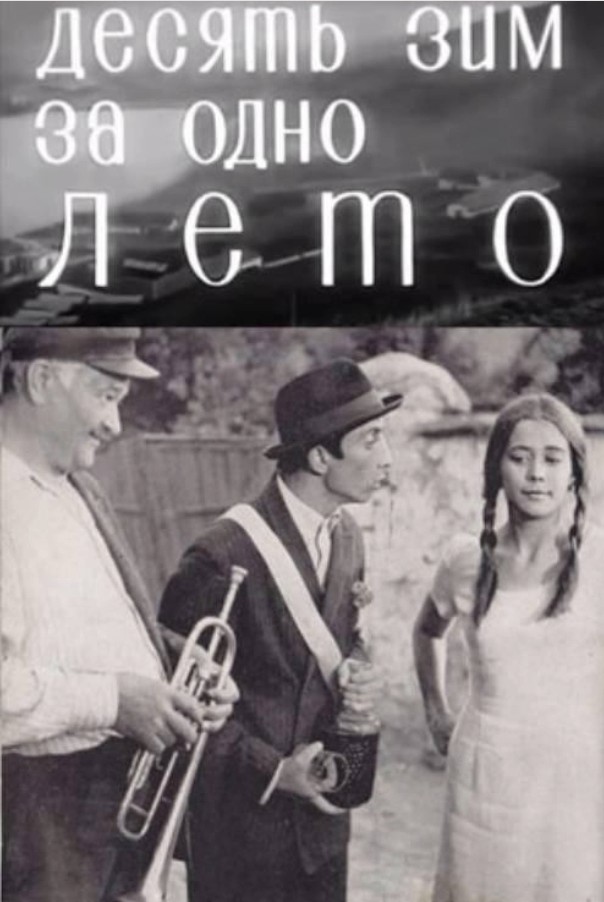
A wonderful and peculiar omnibus of four short stories that ends too soon before the viewer can taste the sad and happy aniseed notes of the characters in the peaceful village of Radu Mare. I repeat, don’t lose sight of the fact that the characters in the four stories do not know each other but occur in the same place and time in Moldova. The first story is about Stefan, a young man who has just returned from the front and cannot quench his nostalgia by drinking because the bottle runs out too quickly. At work, he clings to his cow or bull Tolburella, which the zootechnician Ilya has ordered to be sacrificed immediately. If only it were just his dislike of Ilya, but the big shot arrives on his motorcycle with his ex-girlfriend Sandu sitting behind him, adding to his anger. He would rather escape with the cow than allow it to be killed, and in fact he runs away and hitchhikes, but he soon returns when no driver will give him a ride.
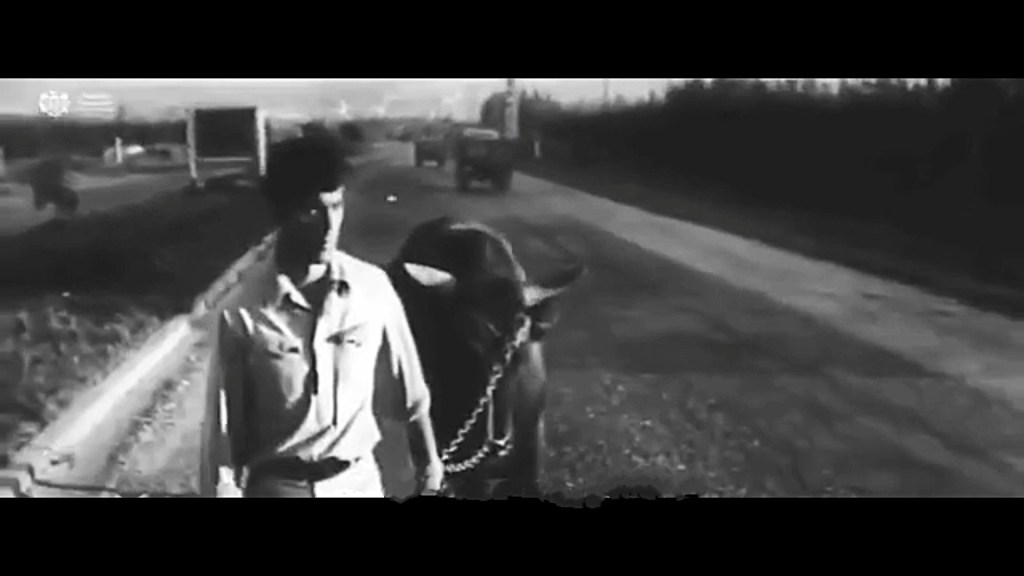
We soon learn that the father of the beautiful Sandu kept all the letters the young man sent her without giving them to her. Finally, he repents and gives them all to her. In the last scene of the story, Ilya, who is already frustrated by working in the fields, does not want to hear anything from his father about the new engine for the Zaporozhets for farming. He wants to make the most of his studies in the city. Ilya tries to snatch the bull from his subordinate, and when the animal lunges ferociously at the foreman, Stefan himself shoots his beloved animal before it can hurt him, opening fire with the rifle he took from the beautiful Sandu when the enraged girl asked him to remove Ilya’s cap from the horn of the ruminant. In the second story, an octogenarian, Arnold Augustovich, performs his act for the last time when the huge circus or show wrestler tells him, “Dad, don’t shout, at your age you should take care of yourself.” The old man complains to the director, who tells him that he is no longer useful for the show, despite his 40 years in the arena. The flying woman, who is with the grumpy old man, is fed up but doesn’t say anything. Arnold is fired, but the girl with whom he performs his magic act decides not to continue with the old man. I mean, what’s waiting for me at home? A chop, watching what I eat, and going to sleep, she says. She decides to try her luck with the huge Vanya, who sometimes listens to her and sometimes talks to her and invites her to his hometown. In fact, the flying woman from the second story tells Ivan that she simply left her husband after a vacation in Sochi and never returned to him. But beware, when Ivan and the flying woman who left the old man arrive in his village, the amorous trumpet player, who I think is the same one from the fourth story, tells him that he has made a mistake by staying in his homeland, because everyone saw him leave and knew that he had succeeded, and they will not accept his mediocre existence living there with them. The third story is undoubtedly the most disturbing of the four.

The same flying woman, or at least the same actress, Ada Lundver, arrives at a beautiful, natural spa with waterfalls and gentle cliffs and is approached by a strange man, a young man of about 28 or 30 at most, sitting peacefully in the sun. He is the priest of Radu Mare. He literally tells her that she is beautiful and presents himself as something divine on this sunny day, that is, God. His moderate way of speaking and almost phlegmatic temperament leave no one in doubt that he is the Father of the church there, and from then on he does not stop giving “sermons” to the girl with the slender, beautiful body in her swimsuit. The director is a genius at not mortifying the viewer with mere words on screen, but rather the third story is like a road short in the sense that at all times both the girl and the priest are talking as they walk through the bucolic landscape until night falls and they prostrate themselves in front of the TV with other villagers and then show the instruments in the church, such as his tape recorder for playing choirs in the next one. At one point, they go out to get some air and, I repeat, without speaking hurriedly but without allowing the beautiful girl to say much, he tells her in a few words that he chose his vocation as a priest because his brother was about to get married, but when the future in-laws found out that the groom’s father was a sacristan, they disowned the brother and refused to have any further contact with them. The brother decided to send a note to the newspaper stating that his father was NOT HIS FATHER. And the father, in return for his brother disowning him in exchange for continuing with a woman, gave him a new car for his wedding. Immediately, gazing at the waterfall in the moonlight, the priest told her that what he had told her was not true.
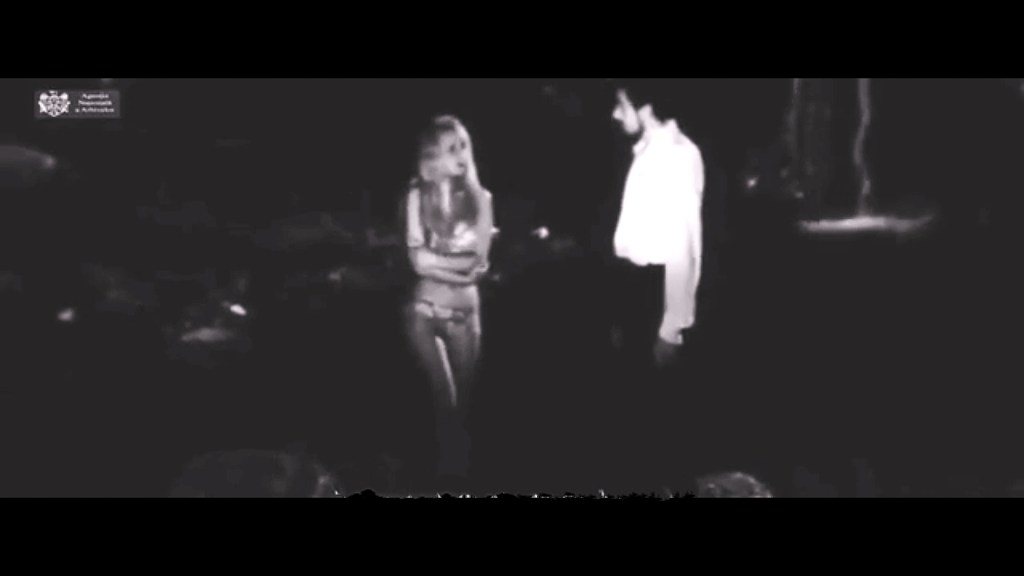
The real reason he became a priest was that he fell in love with a woman who did not love him back, and in return, on graduation day, he announced in front of everyone that he would enter the seminary. The girl followed him and asked him not to sacrifice his life for her. After a while, he said again that it wasn’t true. The flying woman, or tourist, or newcomer to the village, who, I repeat, I suppose is the flying woman from the second story because it’s the same actress, visibly angry, announces that she is going to rest. Then the priest asks her if she wants to hear the truth, “Do what you want, I don’t believe you,” and at first, when I met you this morning, you seemed interesting to me. What changed? The priest asked her and told her for the third time why he was a priest: “I let my beard grow while I was studying minerals, and someone from a village thought I was a priest or sacristan and asked me to take care of the parish in their village because there was a vacancy and they felt desolate. And since then, he has been acting as a priest without being one. We were always, including the audience and not just the girl, faced with a compulsive liar who has an urgent need to build a false identity around himself in order to enhance his existence with an aura he has never had. Even as the city bus leaves and the girl is on it, he tells her from the window that he didn’t tell the others the truth because that is something that is on his conscience and not her business. Finally, in the fourth story, just as Autumov, the boy, is leaving for the army, his girlfriend stops him and says she will accompany him no matter what, even if it means sewing and mending clothes in the taiga. Father Toolbarel, with his trumpet, is in that part of the street and hears everything and offers to help the couple before the young man leaves. This short story is funny and cute, not only because at the wedding the very young bride sings popular songs from the village to the sound of drums and dancing, but also because in order for the wedding to take place, they had to find a priest who was never there. How strange, considering that in the other story the phony had already said there was no priest? Then the parents opposed the marriage due to differences and tantrums, and the bride and groom, along with the daring, chubby trumpet player, took to the streets to collect money. Just then, a bus full of foreigners arrived. They saw the two young people sitting there and began to support them with posters from Latvia and other places so that they could fulfill their dream of getting married. However, the next day almost fell apart when the groom, who was now a husband, still hadn’t left and was already jealous of the bride, asking her not to go to the club alone or wear that dress until he returned. Unfortunately, summer ended, and so did the stories. What a pity that this remarkable work is not better known.


 Pantagruel´s liquor
Leave a reply to miriamisabelgarciacrespo Cancel reply