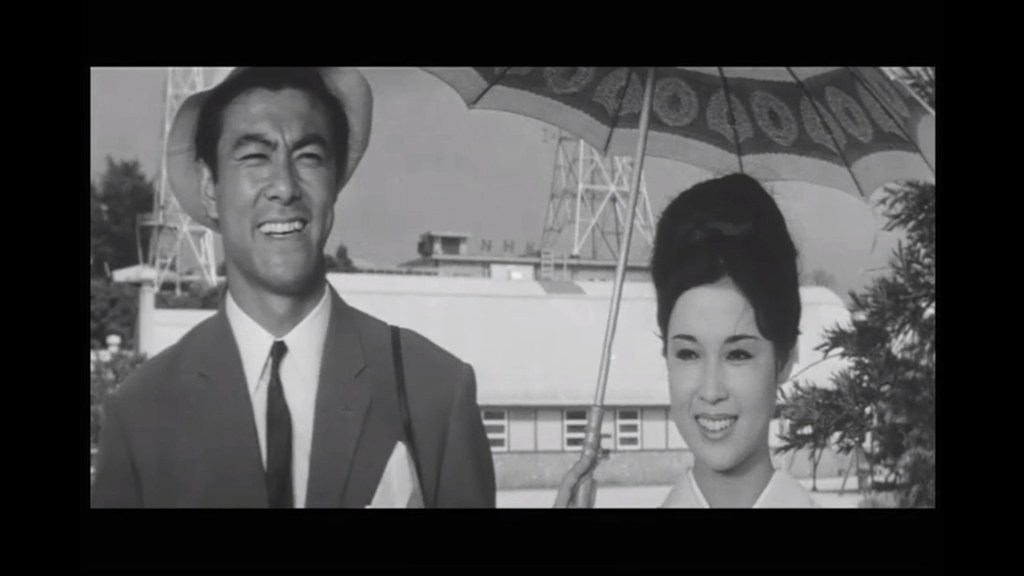
Reporter Kamiya’s first impression of Hiroshima, which is disappointment, will be this viewer’s first impression, perplexity at his disappointment. This was evident in his tour of the half-empty museum, and then in his amateurish and even clumsy approach to the surviving victims of the atomic bomb in Hiroshima 17 years later. Asking Fusako, whose cheek was burned, if she is happy is, at the very least, stupid and ill-conceived as a way of finding out what he wants to know. He repeats the same indiscretion with the next interviewee, a slightly younger woman whom, despite seeing in a cheerful mood in a bar or restaurant, he dares to ask if she wants to get married and if she doesn’t mind the marks on her neck from the aftermath of the bomb.
A petit trailer pour vous https://www.youtube.com/watch?v=OhqdkdLK4k0
Then comes the scene of the enormous dome that the bomb destroyed, or rather the skeleton of the dome that has remained that way all this time. In short, the first part of the film speaks to me or says more about the prejudice that journalism, or in this case, so as not to generalise, Kamiya, the reporter from Tokyo, clearly has regarding the reaction of victims to extreme experiences such as the bombing of World War II. Yoshimura confronts what, almost two decades later, seems to be normalising and thus, through the journalist, finds a kind of disappointment in the resilience of the victims, surprised that they do not live in bitterness or ranting against everything despite their scars, or at least that there is no memory of something as horrific as war and its pernicious consequences.

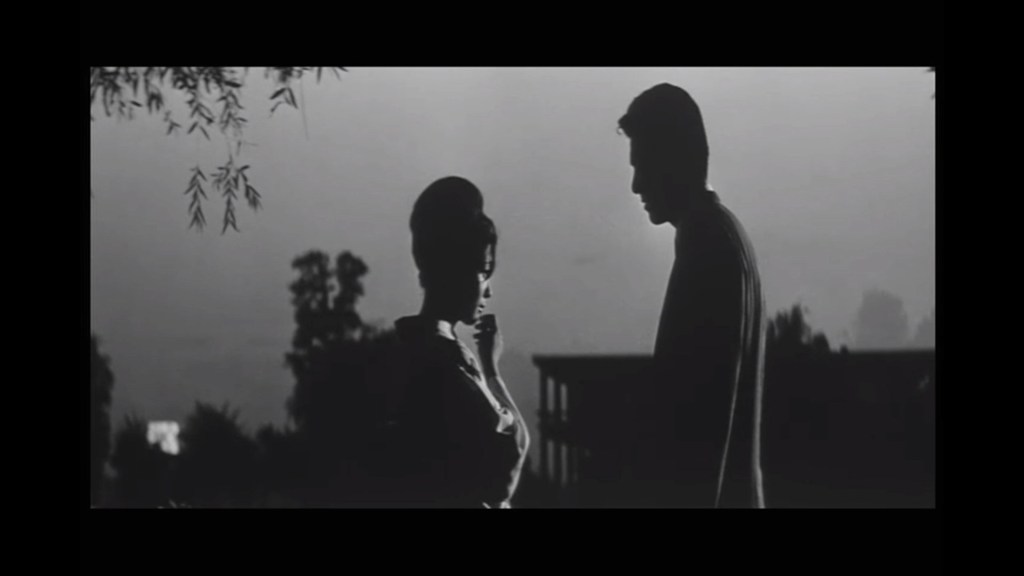
But very soon Kamiya will discover, and in the most painful way, which is his romance with Akiko, that he is only observing or, in any case, getting the outer layer of the human onion in his reporting work, without realising the core and the internal battle of these surviving women. It is pertinent, although I have mentioned it before, to recall Jean Paul Sartre’s concept of mauvaise foi. He calls it bad faith to renounce our responsibility to be free despite the different circumstances that every human being will experience during their existence. Akiko had options, Sartre says we all have them before death, she could have been paralysed by horror, chosen suicide as ‘bad faith’ or at least soured her daily life; Instead, she was a brave woman (although she seems shy and, as far as we know, almost until the end, when she bares her chest and body in that hotel room in front of Kamiya, she had already tried to love and be loved by other men before, but it was they who put the scars of the beautiful woman inhabiting her body first. It is true that the play becomes predictable from the moment Akiko appears to be visibly affected when Kamiya finds her outside the ABCC, where they are investigating the radiation and the impact that 6 August 1945 continues to have on the survivors. She is visibly affected when Kamiya tells her that he needs—for his work—to find Kuniko Yamada’s six-fingered son. In fact, she does not find the child alive, and the family members show excessive hostility towards Kamiya. The work reminds me of Kaneto Shindo’s genius for its psychological honesty towards women, and there are no cumbersome melodramas, no manipulation with the ad misericordiam fallacy: Akiko lives life to the fullest in her own way, only this time she found the man who was willing to bet on her happiness and offered her marriage and a life in Tokyo. She assumed that Tokyo would be enough for her. Returning to Hiroshima and learning that he has already died is a shock, and the scene of the stones in the water in Hiroshima is a sad metaphor, ideal for succumbing to the heartbreaking reality of what radiation did to people, seeing the dust that the pebbles turn into. Highly recommended.
 Pantagruel´s liquor
Leave a comment