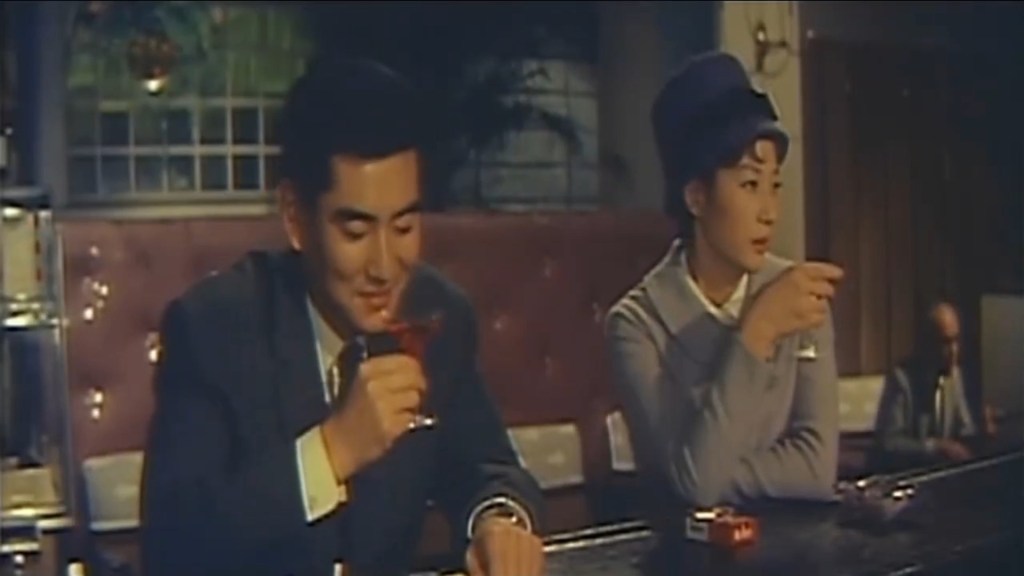
Let’s accept that it’s slightly monotonous despite its interesting subject matter, given the post-war period in which it was published. This is compensated for by the ending, which is fairly predictable but strangely sad. A drink for the absent cheater? Extremely curious about the trafficking of counterfeit dollars, the editor-in-chief of Economic Weekly magazine, Ashizawa, arrives at the wrong place at the wrong time: the home of a counterfeiter named Ochiai, who has been killed. It seems that after being immediately arrested and released, a kind of detective instinct takes hold of him (in reality, we eventually understand that it was more an instinct for justice and revenge for his sister in France). and since, coincidentally, when he was on his way with Ochiai, he noticed Rie Koda’s vehicle or silhouette, he decides to find out more at the airport about the dollar business and the commissions. After all, the lady is beautiful, but beware, as one of his assistants at the magazine told him, ‘beautiful roses often have thorns’.
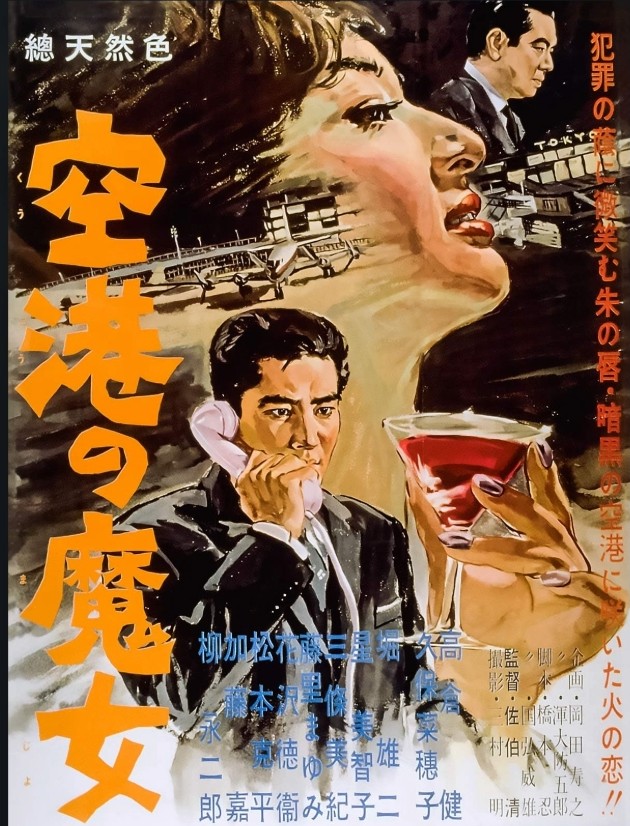
This is how he finds out that the beautiful Rie Koda is a ‘Sorishitā’ (a term derived from the Western word ‘solicitor’), which is a type of client advisor who advises and prepares legal documents or represents operations on behalf of a client. I’m not going to lie about my intentions for watching this film, hoping for more romantic scenes between Takakura and Naoko Kubo. Unfortunately, from the outset, there is a certain harshness both within and outside the narrative (I don’t know if this is due to the actors or the mistrust of the characters, or both). The skilful Koda suspected the ‘fifth-rate’ editorial president, as she called him, and confided in Kawanishi, the dim-witted aviation manager of the counterfeiting organisation to which she belongs. In any case, she sporadically accepted invitations to lunch until the magazine’s president, thanks mainly to the scolding of his colleague at the publishing house, Saa-chan, decided to invite Rie to the horse races. Meanwhile, the plot has been clear enough about the serious damage that counterfeiting has caused to a handful of taxi drivers who live solely from their work, due to the counterfeit banknotes.
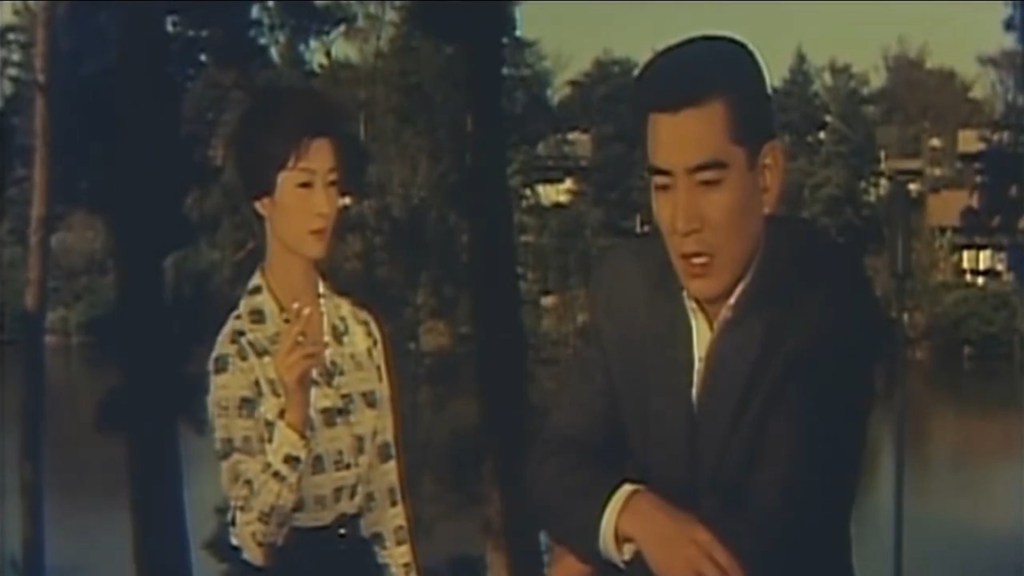
This is the redeeming part of this work, because not even the soundtrack or the allusion to the cocktail relating to lips struck me as particularly moving enough to stick in my mind. He begins by investigating Rie, confides everything to Detective Miyauchi, and then, when he steals the counterfeit 10-dollar bill and could expose her, he omits this information and says he found the bill lying on the ground. It’s obvious that the hunter has fallen in love, and it becomes clear when, on the occasion of a 6.5 million dollar contract, Rie is sent as a solicitor to the Kansai region to guide a group of investor guests, and it is Ashizawa who follows her closely without betraying her, deluding himself that he is doing so to dismantle the whole gang. In fact, he accepts an invitation to Rie’s loft, but she shows that she knows his intentions or senses them and points a cigarette lighter at him. The final straw comes when he tips off a waiter to put a strong sedative in the whisky in the room where Kawanishi and Rie are sleeping, so he can knock the guy out and take the briefcase with the fortune in cash. But in the end, at the airport, Ashizawa has second thoughts and, just as he is about to board, tries to call the detective who is already there. Ashizawa is arrested, but Rie, who has already boarded, is shot in the door of the plane by another gang member before she can get in. She was about to escape with the millions. In the bar, Ashizawa remembers the beautiful woman, with her drink that matched her lipstick.
 Pantagruel´s liquor
Leave a comment