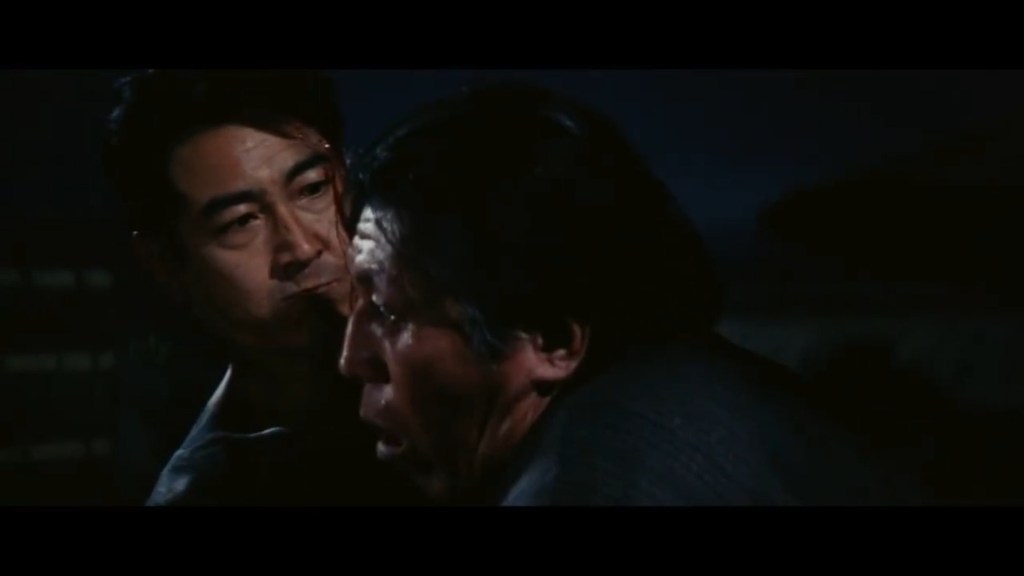
Enjoyable as always, implausible as always. From the outset, the patriarch of Fujimasa, Masagoro, talks on the train about his confidence that Oshima Kanto’s rival group has accepted defeat in the Kansai contract. This is where I started laughing. Hope in the midst of the competitive Showa era, i.e. the post-war period? And my hunch didn’t lie to me, because he didn’t even manage to get off the train alive to verify his own hope. Then I thought that was enough naivety, but apparently not, as his lieutenant Katsumata enters the enemy leader’s office with a knife, surrounded by gunmen. I can’t think of a more foolish way to waste your life. Later, the protagonist Ogata Naoharu arrives, the yakuza who, as usual, has decided – to the detriment of the plot and everything else – to leave behind yakuza violence to find prosperity and blah blah blah, so he arrives with an anachronistic ninkyo spirit at a time when there is only dishonour in gang wars.
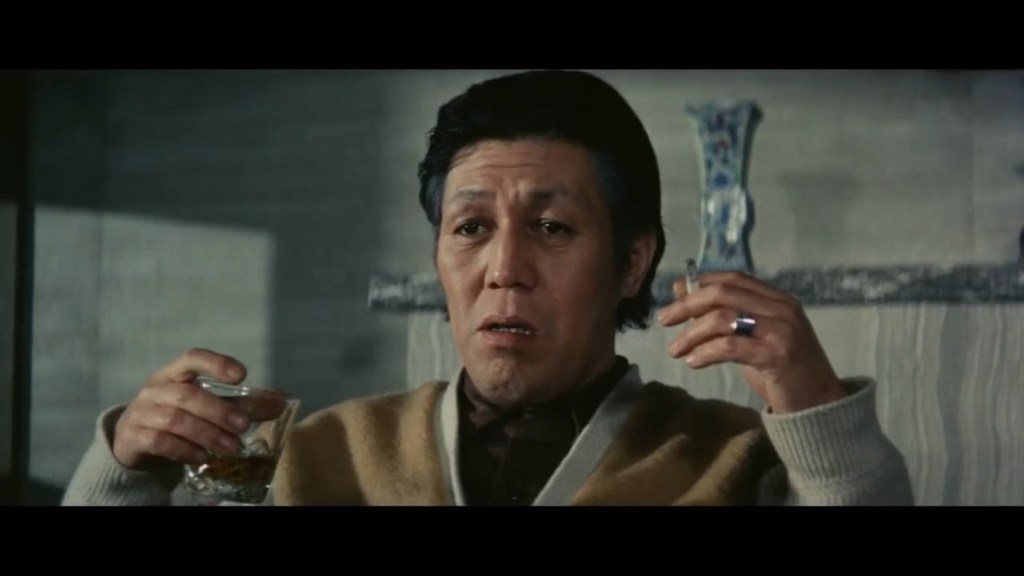
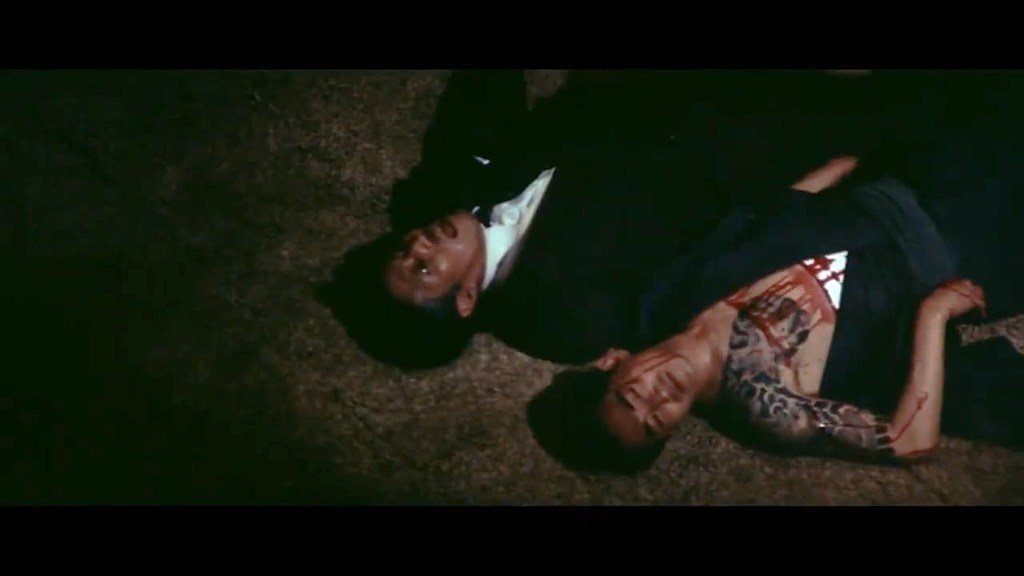
Ogata gets along well with his subordinates, such as Shimamura, and convinces them not to use war or violence. Little by little, he builds a reputation, and there is a jump in the plot to 1955, when the supposed leader of the fourth generation of the Fujimasa Left Group, Shibou, appears. Things did not go well for the poor young man. The leader, Ogata (Tsuruta), almost literally keeps asking them to stick to business and not fight, so Shibou not only has to swallow his anger over the death of his father Katsumata and do nothing, but when he announces his engagement, he is approached as he leaves a bar and is almost killed when he is shot. When he recovers, he is not allowed to take revenge, and the pipsqueak Oshima is the father of his fiancée Reiku. Wow, he’s going to marry the daughter of his worst enemy. Obviously, he tries to cancel the wedding, but when Reiku hears everything, she tries to commit suicide and falls unconscious. Shibou picks her up to take her to the doctors, but on the way, Oshima himself sends gunmen who shoot at them, causing the car to crash and explode. The Left Group had already lost – in 1966 because there was another time jump – the contracts for the construction of the airport on Lake Kasumigaura, a project that Shibou wanted to dedicate to his father Ogata. In addition to losing it through trickery and corruption, when Shibou dies, Shimamura arrives in the city and sets out to avenge the boy, but he almost goes without a gun, considering that he ran out of bullets in the middle of the assault, while the leader of the gang was wearing a bulletproof vest. He had already tried to assassinate Ogata with a guitarist, an independent musician who had been given a gun.
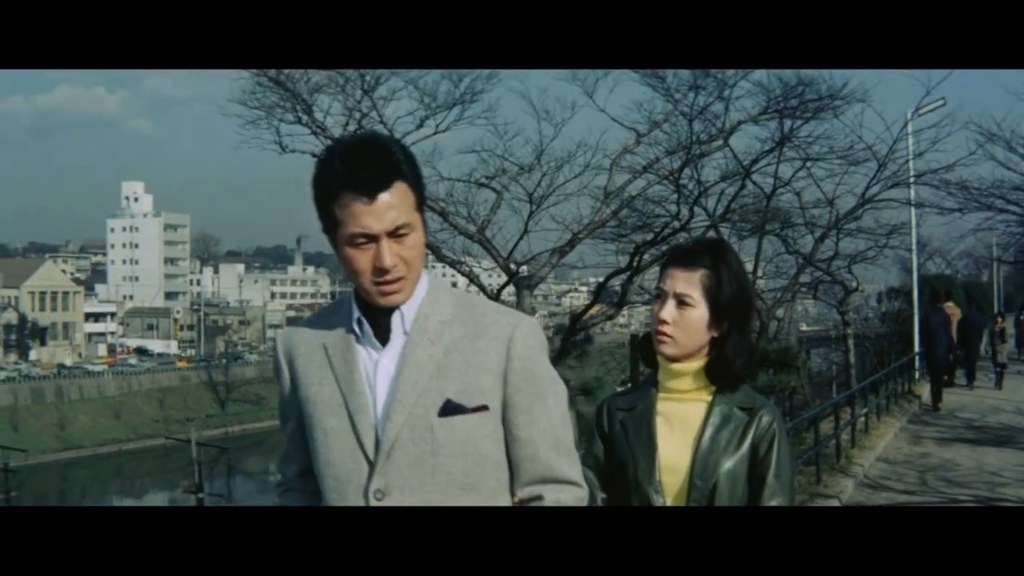
What Oshima’s thugs didn’t know was that Ogata had saved the life of Mitani’s mother, the guitarist in question, and he was so grateful that he couldn’t shoot him and was instead ambushed by Oshima’s men outside the building. In the end, as is customary in this genre, the finale is dispatched in eight minutes of simplicity, with both the leaders of the two sides dying ridiculously. Not even the yakuza leader (Ogata) believed his own lie that the differences arising from unfair competition could be resolved in the medium or long term.
 Pantagruel´s liquor
Leave a comment