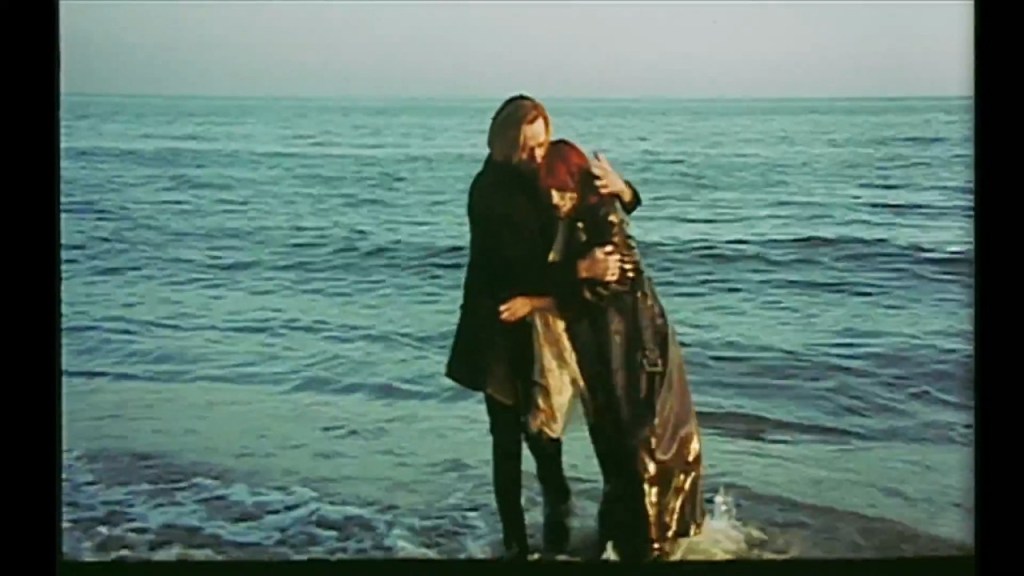
The quintessence of the New School of Barcelona, Metamorfosis actually did more than break the paradigm of folkloric and official cinema during the Franco dictatorship. Daisy’s failed and discontented transhumanism, but before that, the transhumanism of the wandering entity who wants to fly and is in pain, voiced by Luis Ciges, is half a century ahead of the disturbing contemporary dilemmas about eugenics, social alienation and the obsessive pursuit of eternal beauty, youth or health, all to the detriment of the natural human essence.
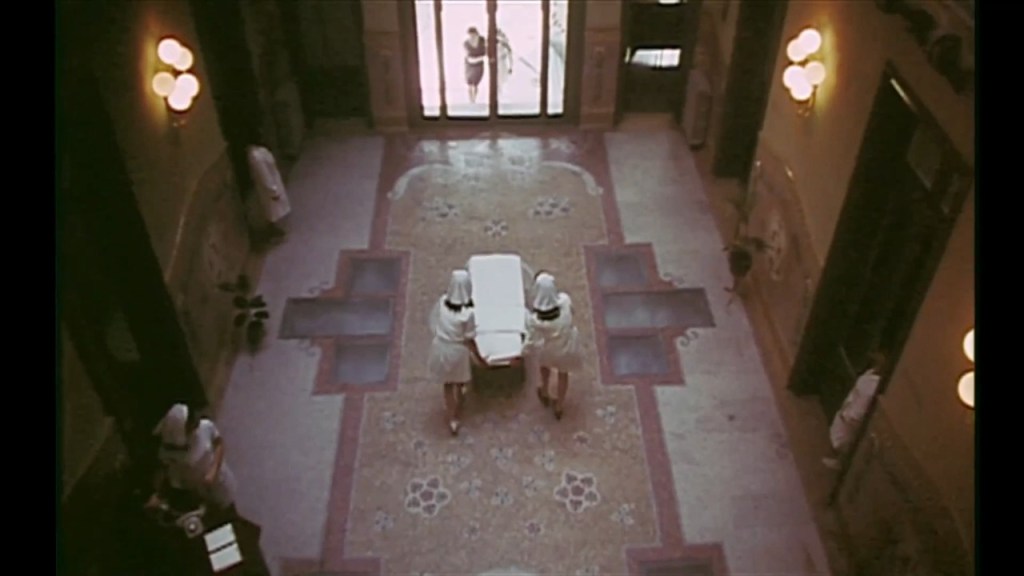
The loop in which Esteva traps the metacognitive cry of anguish of the film’s scapegoats resonates in a plethora of current topics of debate, such as genetic editing and CRISPR-Cas9, which allow the modification of embryos to – supposedly – eradicate diseases or alter physical traits. Seen closely, the subjective camera of the tiny being or thing moves forward as if crawling, speaks as if crying without tears, and with its pitiful self-referential reasoning conveys its urgency to be alive in a conscious attempt at freedom: ‘It was a bright universe of colours that I will never find again,’ and thus, it is heartbreakingly reminiscent of the terrifying parallelism in tone heard in Shelley’s Frankenstein: ‘I want to live.’
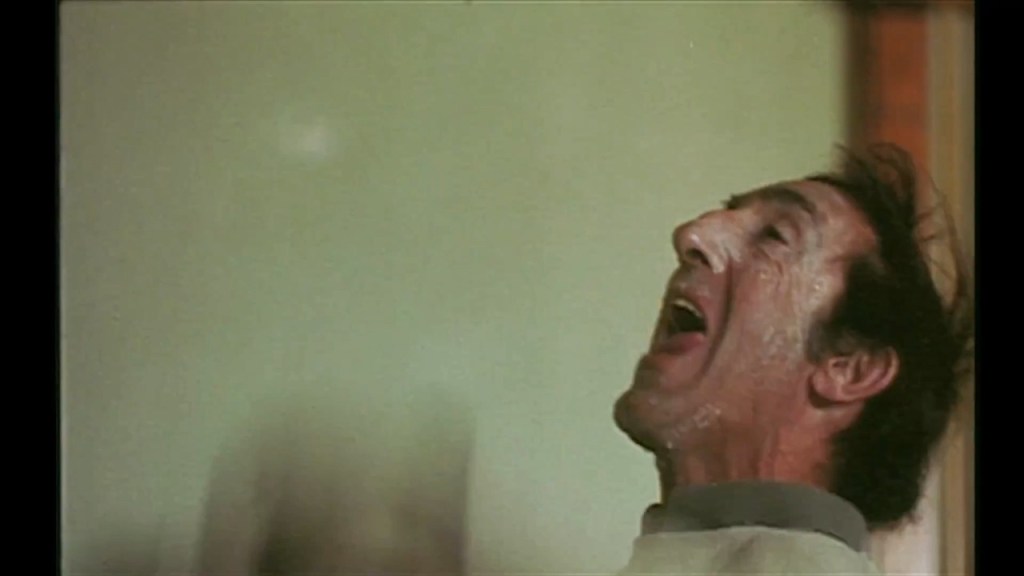
In any case, it is worth returning to the metacognitive vein of the being who is used as a guinea pig. We may or may not agree with the premises of transhumanism; after all, it was the Nazis who inaugurated the topic of bioethics with the limitations of how much value a human has in order to achieve a superhuman or Ubermensch. But what is disturbing, however, are Daisy’s reminiscences of the amniotic fluid, her need for water as her original fulfilment (primitive force) in the face of the angst of being born or being among humans whom she deplores; the truth is that, whether through forceps and straitjackets or painful injections from lab guys, the emptiness is accentuated when the film manages to incorporate this empty being into a beautiful woman. It is impossible to understand something so primitive when you see Daisy almost throwing herself to the pigs. In the age of social media and advanced cosmetic surgery (such as AI procedures for ‘perpetual youth’), the film laments the trampling of spontaneity by aesthetic standards, showing how superficial image suffocates natural essence, generating mass alienation. Look at the depressing spectacle in which Daisy is presented as a gala star. Beforehand, the lab scholars made her learn her famous words: ‘I have nothing to say. I am just a presence. I am a beautiful woman, the most beautiful. I am happy.’
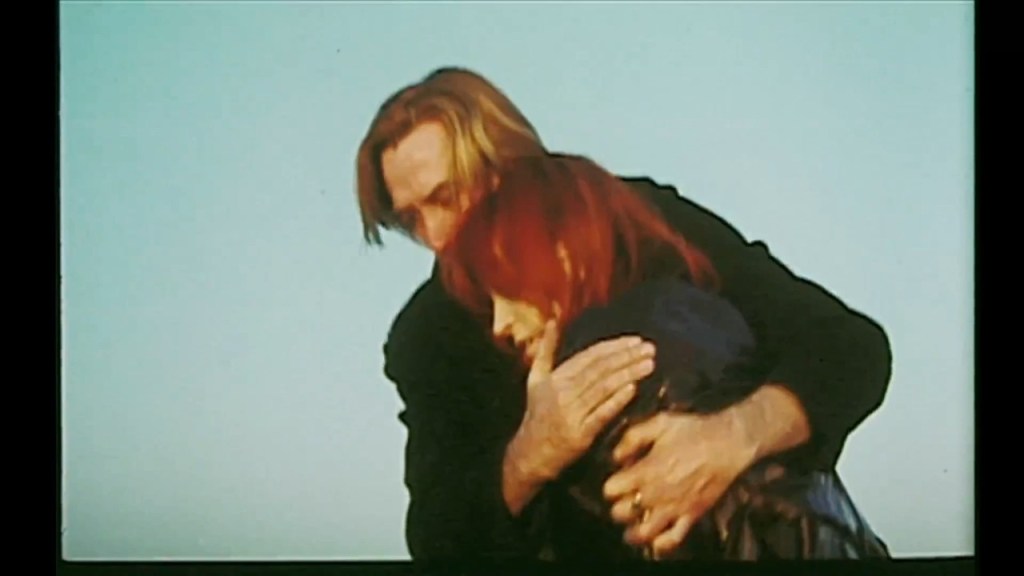
And I don’t mean to be disrespectful to LGBTQ+ groups, but the dialogue is incisive on the issue of body occupation and Daisy’s forced reaffirmation of being a woman after having occupied other bodies.The metaphor of a society dissatisfied even with the sex or gender they were born with and experiencing a profound existential void. ‘I know that within this physical form, my desire to have my particle of divinity returned to me is futile.’ Unfortunately, I get the personal impression that Esteva does not take seriously the oxymoron he has wielded to raise awareness or at least denounce it, and, wrapped in his aura of avant-garde, he neglects the plot with a bland and redundant ending that repeats the same reasoning interspersed throughout the film without imagining a forceful reversal for Daisy. Without pressing the conclusions, he leads the outcome to the trite media effect in front of the TV. Daisy’s emotional evolution is undoubtedly the failed project, betting on futile and consumerist human conditioning.
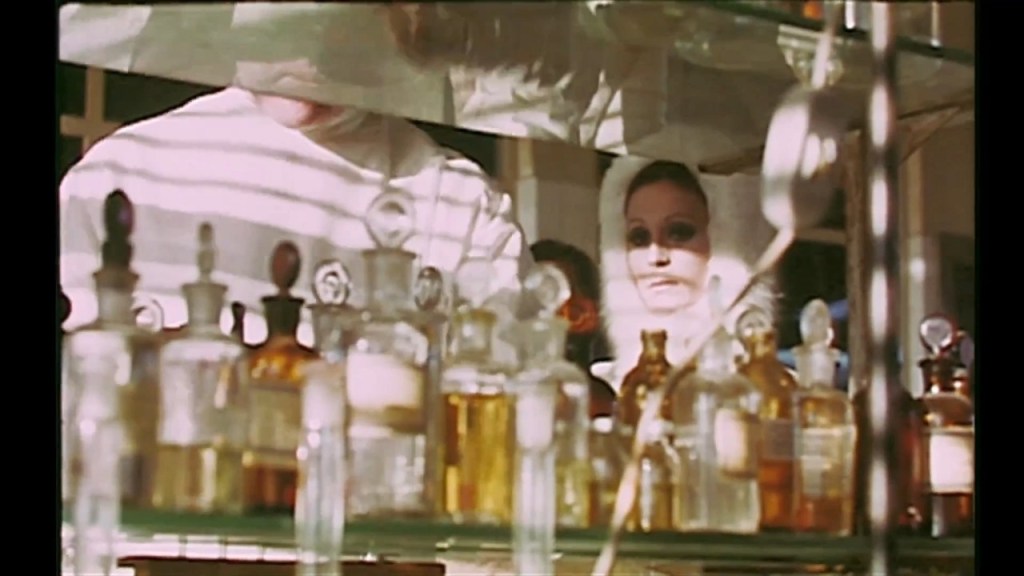
 Pantagruel´s liquor
Leave a comment