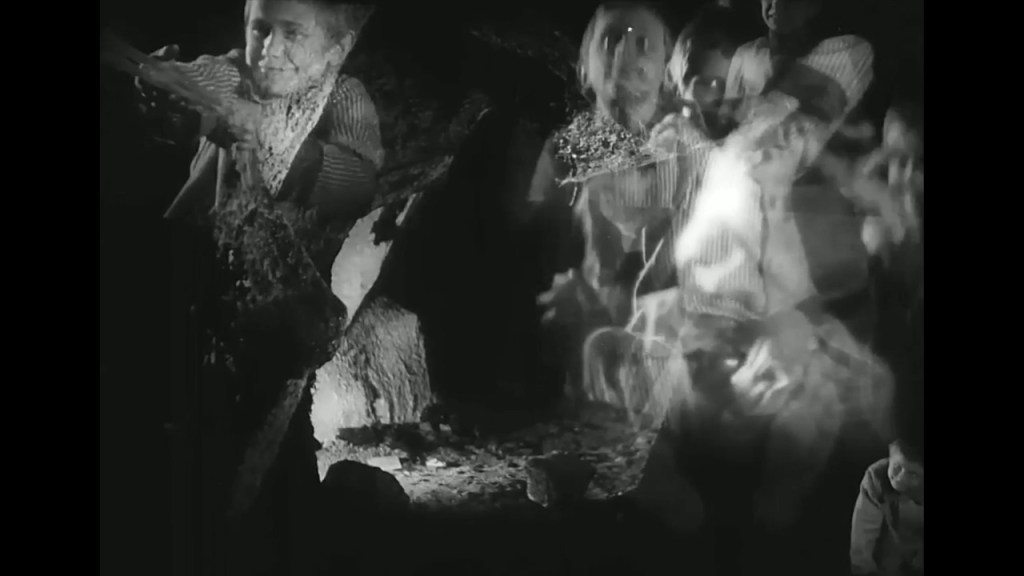
Cinema never forgets. This seven-part comedy, with its unmistakable influence from Lumière, premiered during Lenin’s New Economic Policy (NEP) in 1927. It is sweet and funny because it barely hints at political propaganda, which is extraordinary considering that it was adapted by the quintessential pragmatic communist, the poet Mayakovsky. The richness of its local colour makes it fascinating for those of us who love to read the past in images, such as Pyotr Zaboychenko’s pile of children running riot, playing pranks such as putting threads and objects in their mouths and throwing themselves around and doing somersaults in the dining room and living room.
watch https://www.youtube.com/watch?v=l3e8PmUa8P8
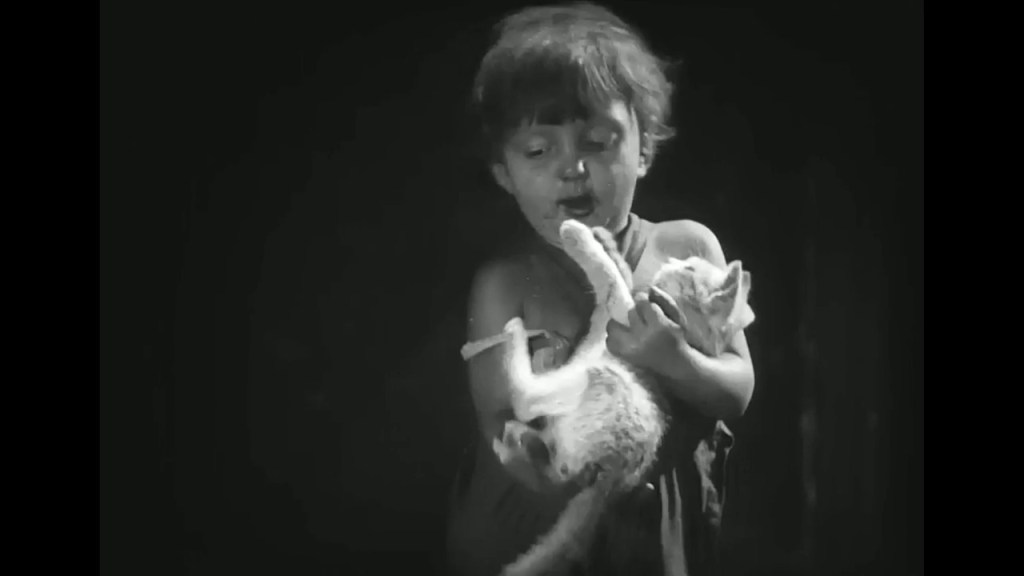
Although there are minor changes from O. Henry’s American original, this masterpiece is a children’s tale that is used for propaganda, it is true, but in a subliminal way in the poetics of the intertitles. Take a look at ‘Через твого лобу- ряку всі кішки показа- лися!’ (‘Your guts were showing on your forehead!’).haranguing the viewer by alluding to the housewife, Mama Petkina, at whom one of the girls shouts from the window, ‘Chanclos everywhere,’ as the kids use their worn-out flip-flops as boats in the puddles on the street; or ‘Ура! В піонерський табір! До Криму!’ (Hurray!
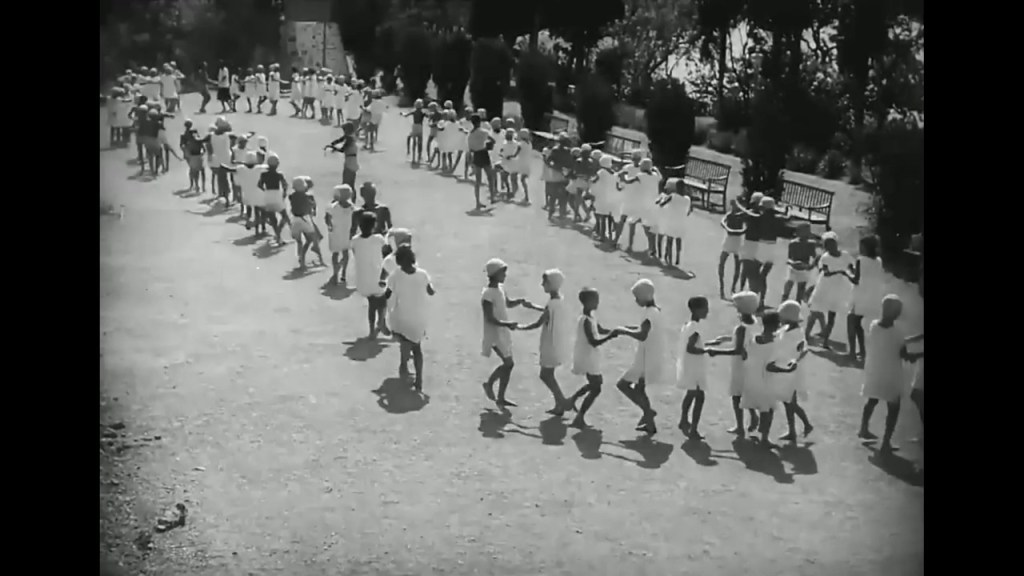
To the pioneer camp! To Crimea!), celebrating the sending of children to the traditional pioneer camp in Crimea, a frequent motif in stories and films set in the late Soviet Union during the NEP, but also in later years, to reinforce communist ideals in the camps.
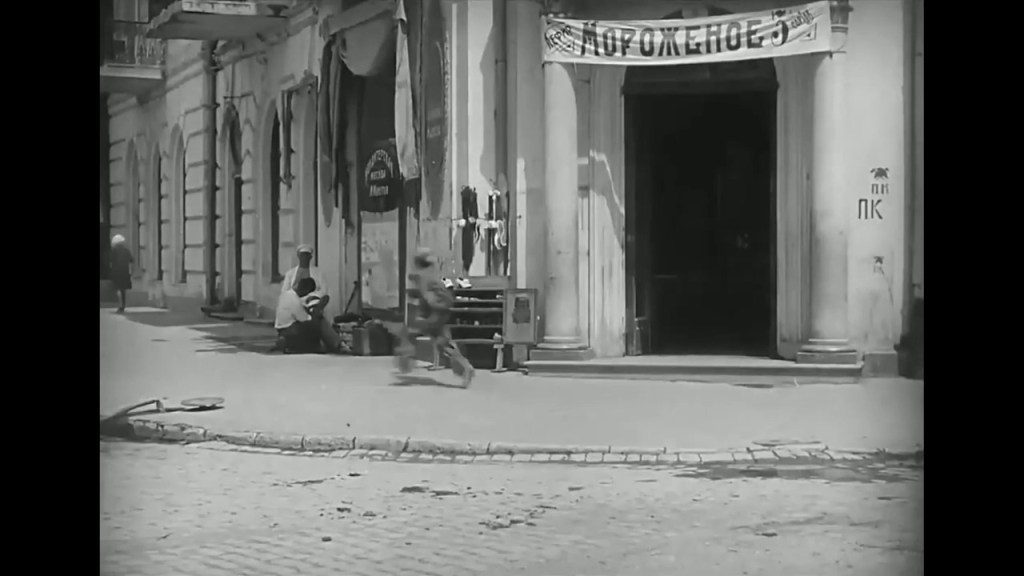
And while the decision is being made to send the children away, the mother must leave for Kislovodsk for a spa treatment. This is a good opportunity to savour the technical wonders of the film through the use of rewind or reverse camera in the scenes of the children sliding down the slides, but also in the scene where the obese character of B.P. Goncharov reads his instructions or advice (written in Ukrainian): “First, be careful not to get run over by trams and buses (especially if you have a weak heart).
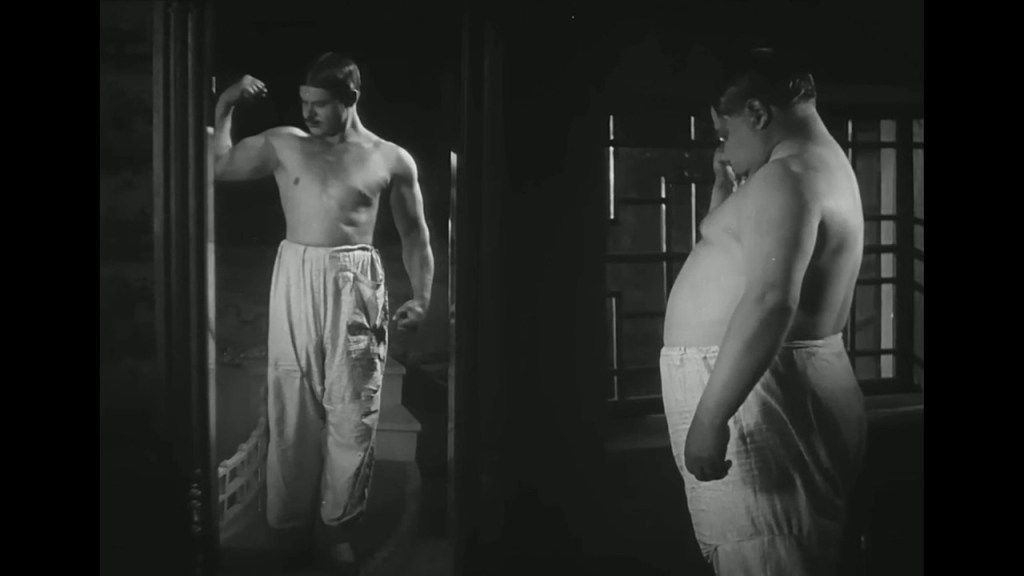
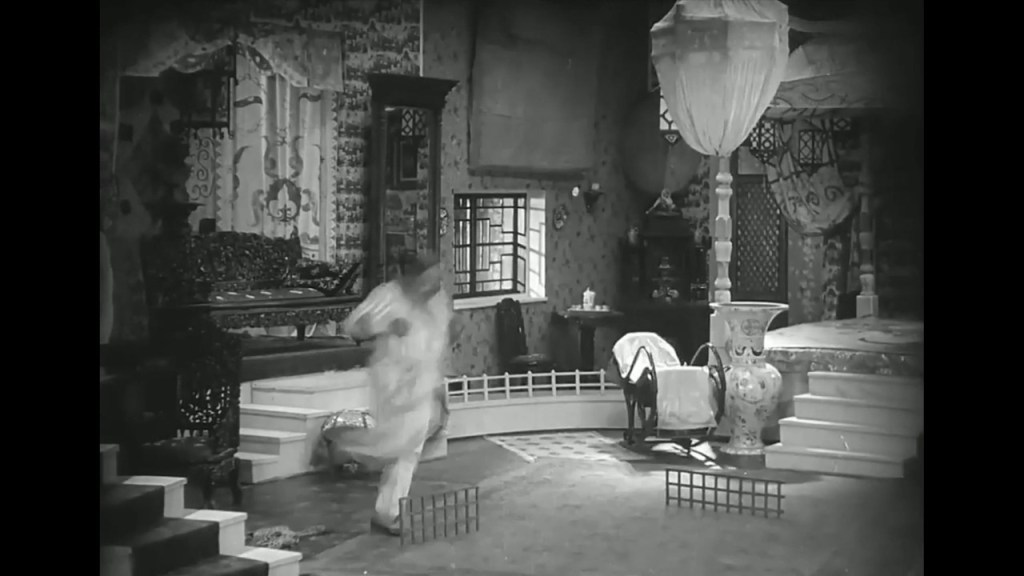
You need to swim in the sea.It is also recommended to move around as much as possible.” In short, when the obese Senka-Metushnya finishes reading, we see him around the rocking chair in reverse and again the camera or editing effect, which must have been very innovative in the second decade of the 1920s.
Tired of not getting results, Senka tells his son that they will leave as they do every year for Yalta, to the Crimean spas. This is where the heart of the film or the plot thickens. Just when two kidnappers observing Senka’s son’s luxurious clothes decide to ask for 2,000 karbovanets for him, confusion ensues when the boy runs to bathe in the sea and the other poor boy, the one we saw at the beginning of the film sleeping with white mice, steals his clothes.
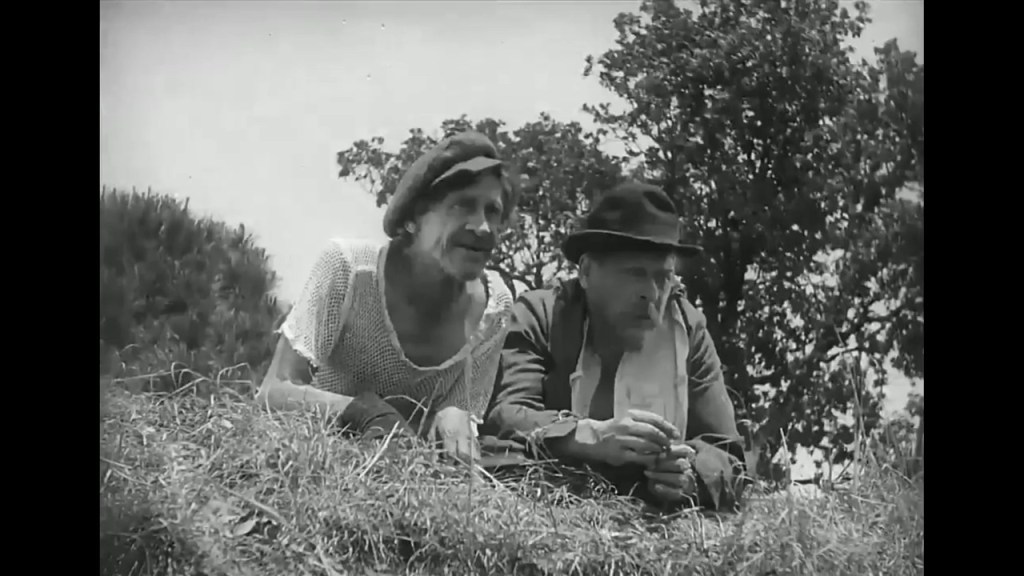
The poor boy wears the fine clothes and is kidnapped by both crooks, who have sworn by The Black Hand to solemnly carry out the kidnapping.

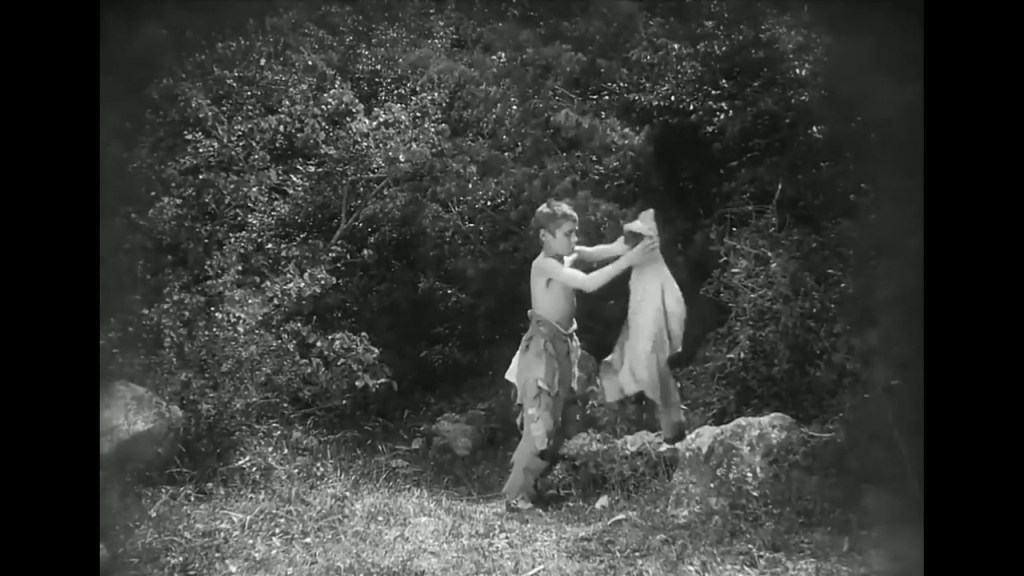
When the rich boy comes out and doesn’t see his clothes, he is surrounded by other children who praise him for his bravery and invite him to join them. Meanwhile, the kidnapped boy is mocked by his kidnappers: ‘У нас, вибачайте, всяких гогелей-могелей немає… Їжте те, що є… Спеціально для вас здобули…’ (‘Here, excuse us, there are no delicacies… Eat what there is… We got it especially for you…’). Eat what there is… We got it especially for you…). The best part is the letter from the crooks. It is addressed to ‘Dear Sir’ (‘Шановний добродію!’). It demands payment of 2,000 (two thousand) karbovanets for the return of a ‘precious child’ (‘дорогоцінну дитину’).They mention that the ‘deep sorrow and tears’ of the writer prevent them from demanding a larger sum (‘Ваша глибока журба и сльози не дозволяють нам правити з Вас більшу сумму’). No one stops the two crooks, but they themselves realise that, contrary to what they said when they took the angry hostage, the child was not wonderful or anything, because he bothered them more than he bothered them.
 Pantagruel´s liquor
Leave a comment