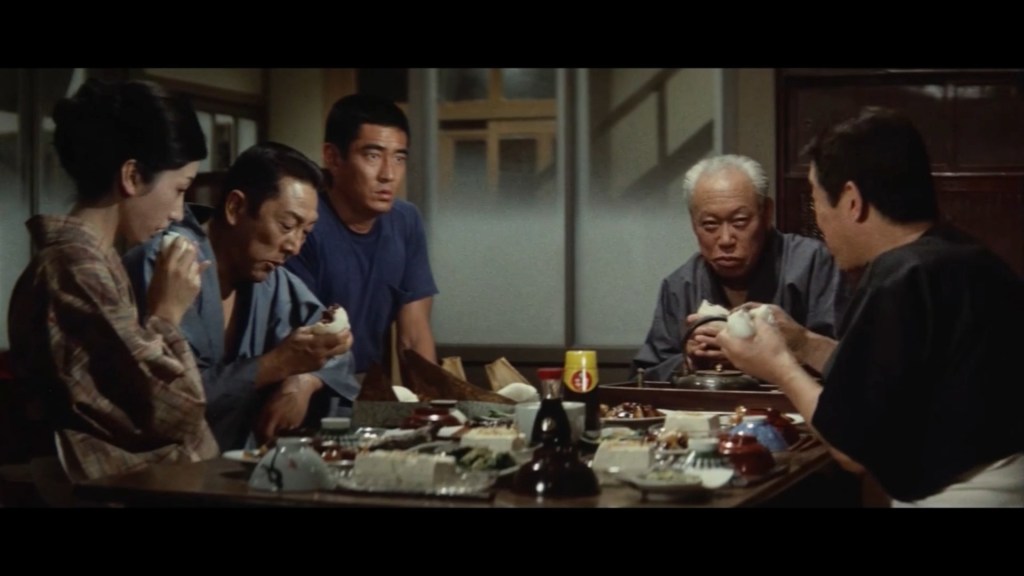
Si vis pacem, para bellum. Lennon, for championing peace, and Gandhi, for preventing violence between Hindus and Muslims, died by the same iron they deplored. Those who raise their voices to prevent violence at all costs, as Isamu’s boss did, are the first to die by the bullet.
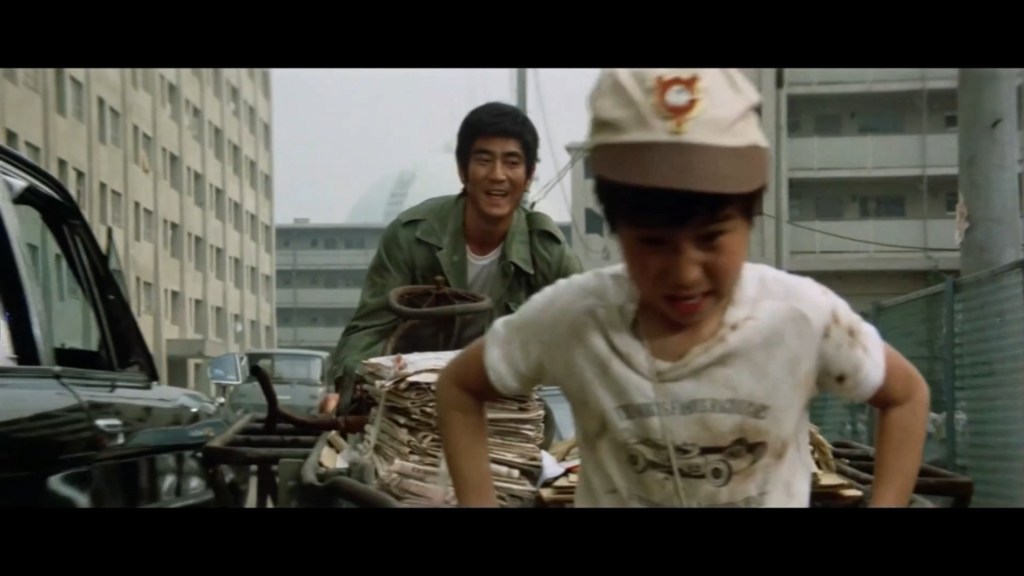
That doesn’t mean they were wrong, and I really hate to lean towards determinism, but there are films like this one, which perhaps went a little overboard with the melodrama and seems very long, but whose sweet scenes – such as Hiru and Ma crying at the train station, Isamu helping the repentant Toshio push his cart of rubble uphill, whose father lost his life because of the fences installed by Takakura’s character and his companions—will never fail to remind us, as viewers, that provincials like the former miner Isamu never had the slightest chance of getting ahead when they arrived in Tokyo, trying to prosper in an environment rife with abuse, corruption and bribery of the authorities, so that, in the end, things had to be resolved in the way that was most sought to be avoided: violence, as if 2,000 years or more of ius naturis, Roman law, positive law or multiparty law had taught us absolutely nothing.
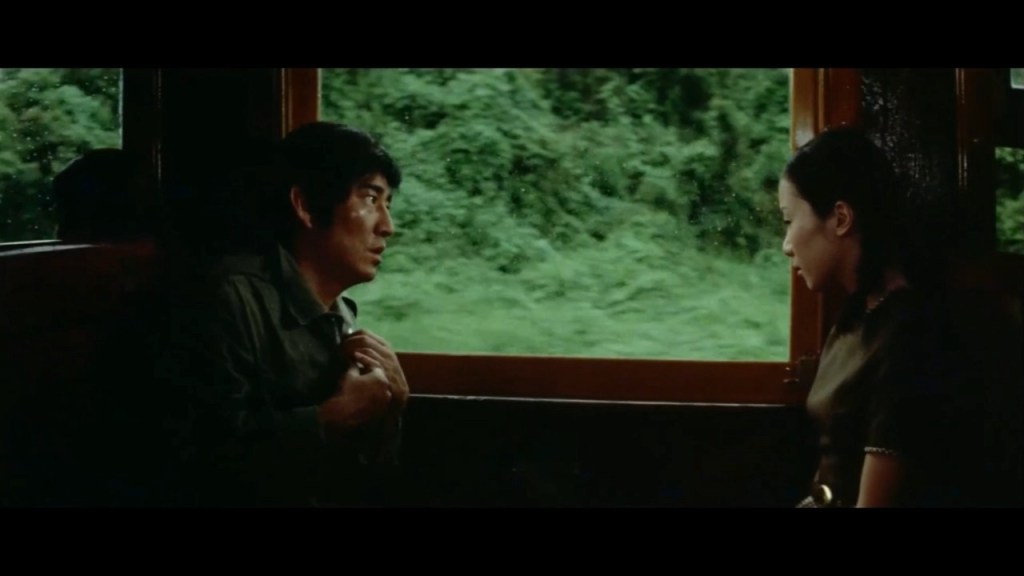
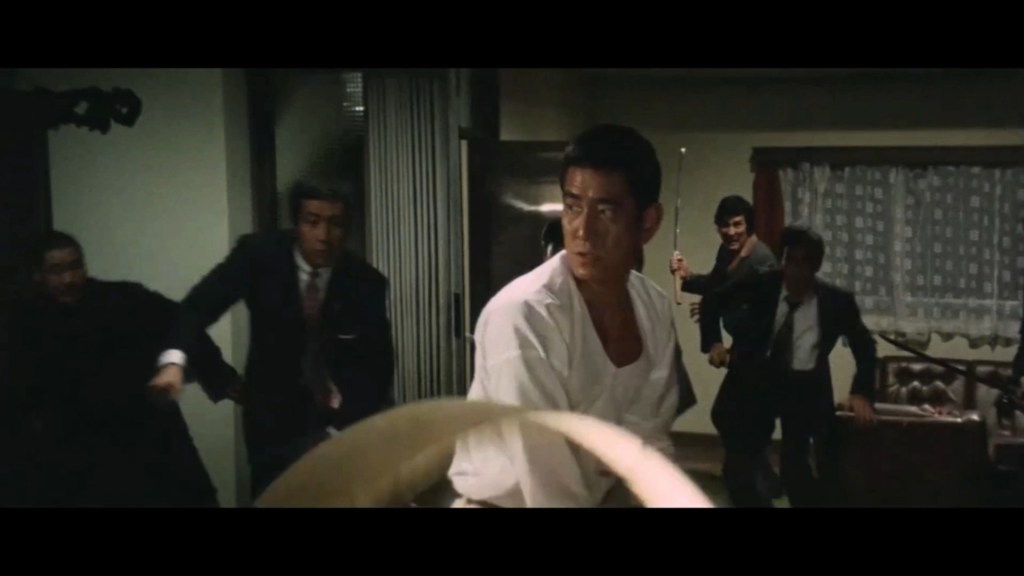
There is no point in trying to work hard, as we saw with Isamu. If the work is to rob the fishermen and local residents. It was useless to tear down the fences and ask Karasawa to at least offer his condolences for the deceased. It was useless to quit and start working as a salesman if the yakuza beat you up and destroyed your banana stand and other things. Karasawa eliminates stalls, and when Tsune, the leader of the workers, raises his voice, he is crushed between two cars. Was Yuki, the athlete Isamu met on the train, right to give up in time and return home? I don’t know, no one knows the size of other people’s dreams or, rather, the size of the obstacles each person faces. Even if the film had been more corny and less funny, I would have preferred that they not kill Shimura’s character, who was harmless because of his age and personality, and that they not follow the yakuza cliché of ending up with everyone dead by the sword in revenge. Dreaming doesn’t make you poor. In any case, hearing Takakura sing a cappella made the film worthwhile.
 Pantagruel´s liquor
Leave a comment