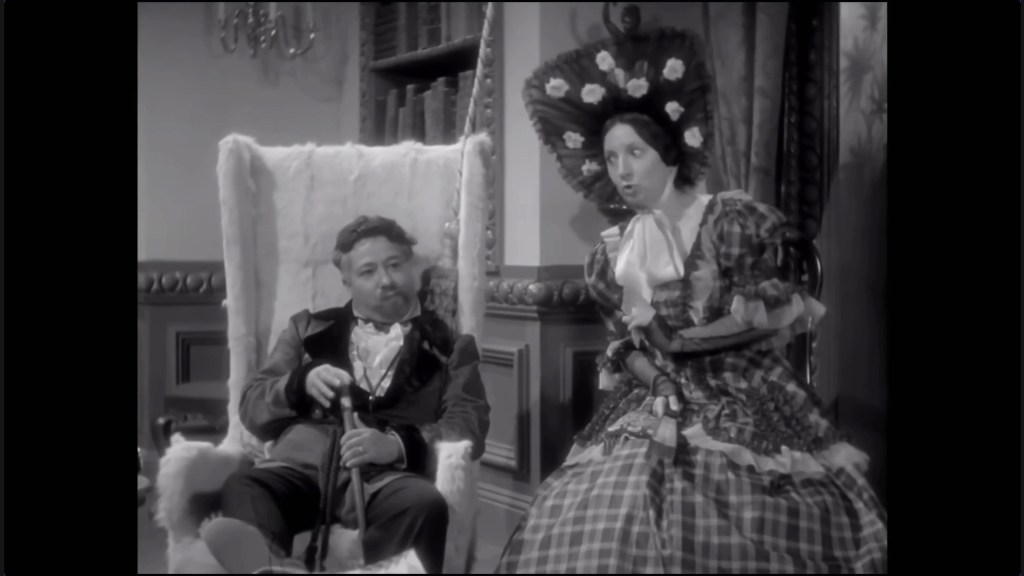
A somewhat predictable melodrama, but stylistically photographed. The character of Pardavé, both in his mannerisms and the meticulous quibbling in his dialogue, is reminiscent of the characters played by Sacha Guitry. Almost like in Lope de Vega’s interludes, the beginning allows for a mischievous counterpoint of deception and impertinence between Elisa’s uncle, Don Luciano —with all his gout ailments— and the various visitors of the cantankerous doctor (against Doctor Bustamante, against the neighbours who deserve the treacherous thesis, that is, the hypocoristic “Meche” of Mercedes “Meche” with “chismosa” (gossip);
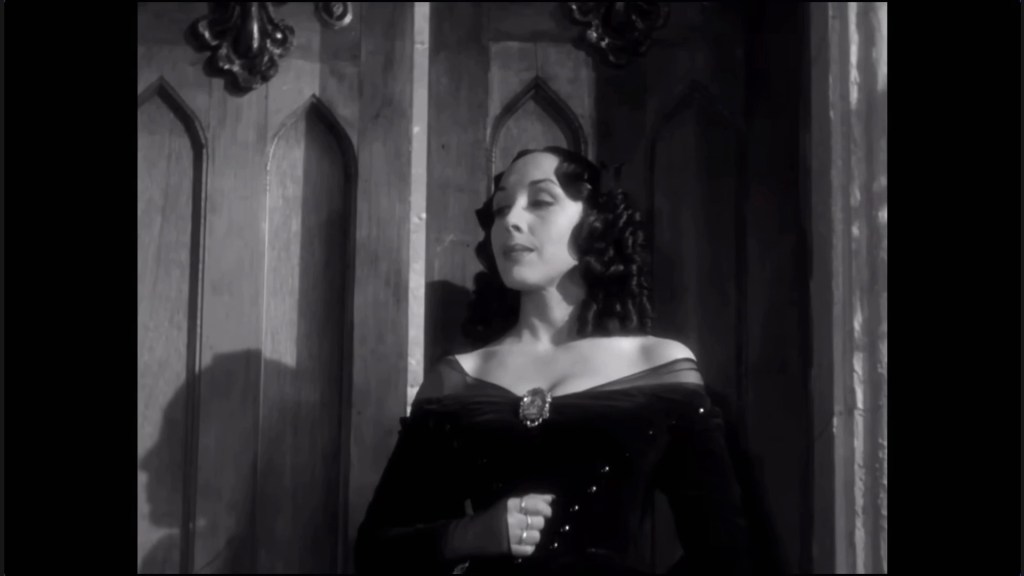
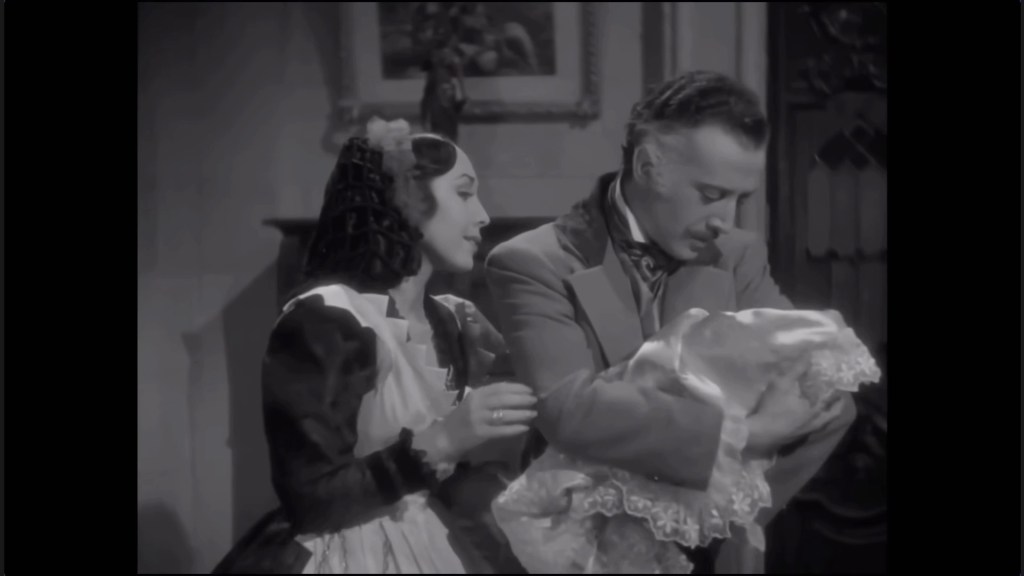
when Jorge Llorente arrives and falls in love with his niece Elisa, who refers to Beethoven’s ‘Fur Elise’ in the credits, the shift in Don Luciano’s mood becomes evident and what follows, now married, is the insidious phase of the housekeeper Cristina in the gloomy house, about to poison them as she did with the women before Elisa. After revealing that his tolerance towards Cristina is because she is Jorge’s sister, the plot becomes monotonous with the birth of the couple’s son and Cristina’s manipulation. In reality, the unlikely case that Jorge accepted her word at the age of 18 is ruled out. His sister, in relation to Elisa, incites the guest in the house, Miguel Conde, because of his sexual indiscretion. Does he recognise a son to his real mother, with a minute missing from the tape due to the oil portrait and the memories?
 Pantagruel´s liquor
Leave a comment