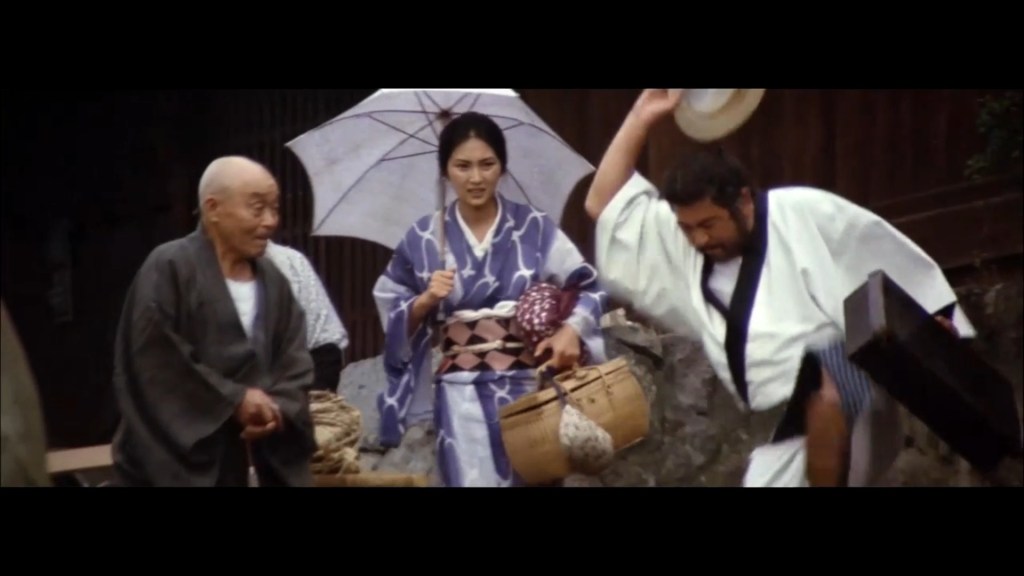
A rare gem stripped of the inextricable moral complexity that usually characterises yakuza films. Instead, Hachirô Aoyama’s musical score, although repetitive and Westernised in tone, transforms flashes of comedy into sweet moments that counterbalance the tension of the story. On the winding road of destiny, the lives of two prisoners with diametrically opposed personalities cross paths. One, Jokichi, is grim and insipid, searching for his sister and then revenge for her death; he accidentally meets the girlfriend (Meiko) of one of the thugs and helps her escape.
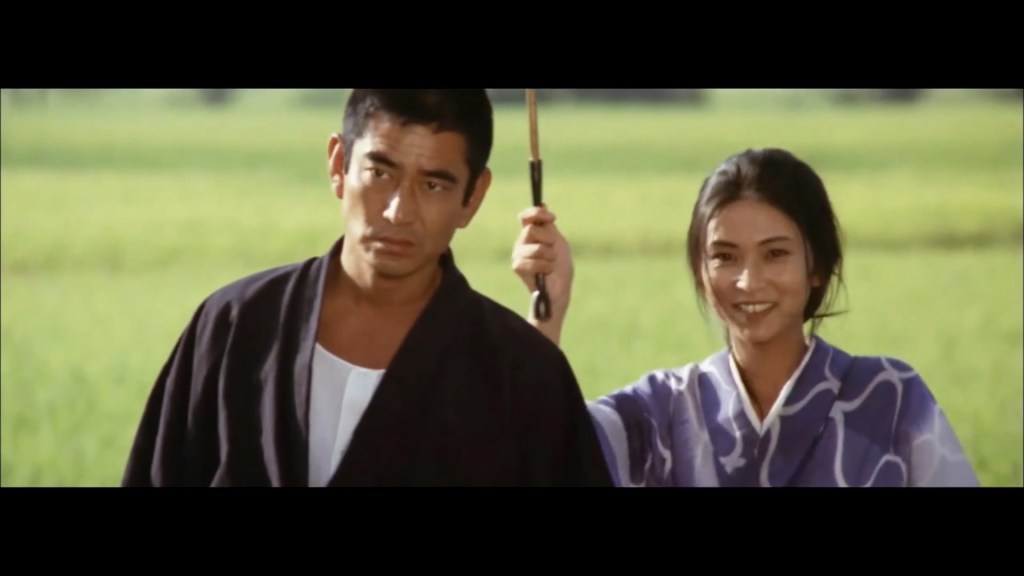
The other, Gen, is histrionic and sloppy, but he does have a dream: to be a noble bandit like Kunisada Chuji. He doesn’t pass up small scams along the way—such as stealing the clothes of travelling actors—on his journey to the ocean in search of the treasure of a Russian warship that his father saw sink 30 years earlier. On his own travels, Gen once again encounters Jokichi, who is determined to find Senzo, his sister’s killer. Let’s not fool ourselves when we see human beings cast aside happiness or comfort or whatever else for revenge. Gen, on the other hand, wants to trick him into joining him on his quest for the ship’s treasure and promises to give him half, which, according to him, is 500,000 yen.
Watch my trailer https://aqueronte72.com/wp-content/uploads/2025/07/trai-yadoshi.mp4
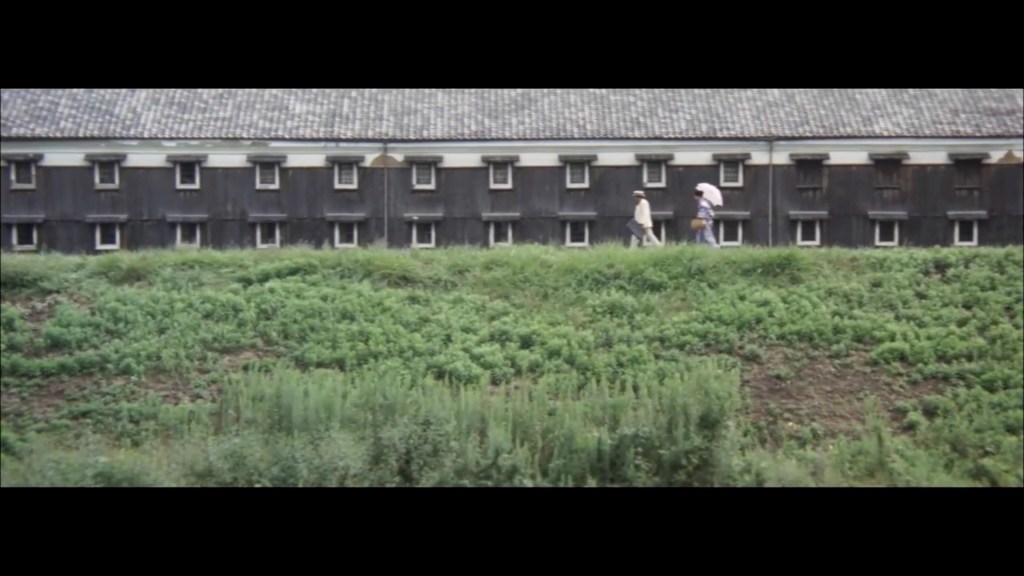
He knows perfectly well that Jokichi is a good swimmer and diver because in prison he beat him in challenges to see who could hold their head under water the longest without breathing, and also because the woman he helped escape told him on the train that she longed to see the sea. We must revel in all of Gen’s tricks, but even so, he fails to convince Jokichi, who leaves at dawn. When he finds him again, Gen tries to stop him from risking his life by trying to kill Senzo, and this costs him a couple of punches that fill him with rage. He swears he will never speak to the former yakuza again.

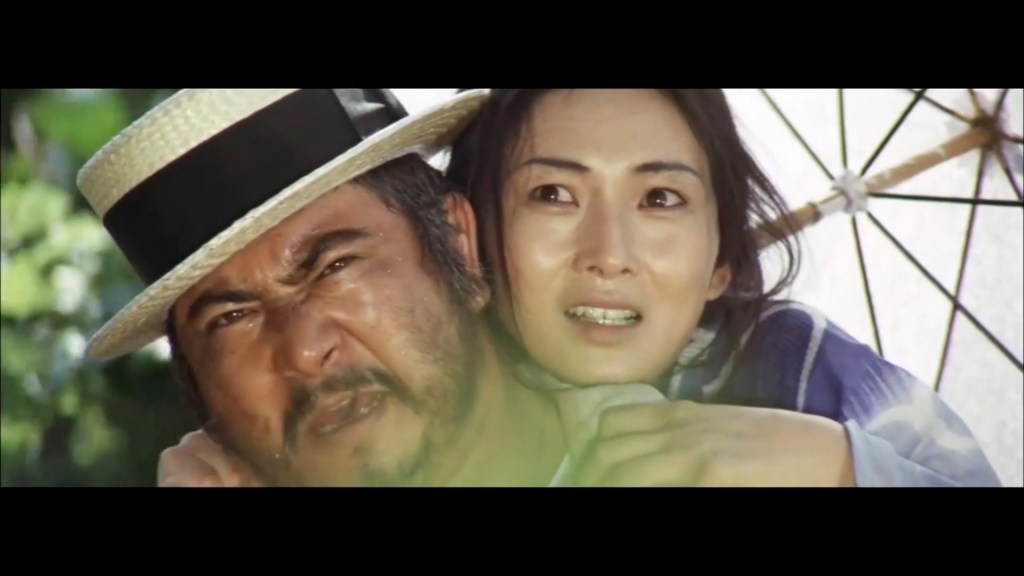
The woman they helped escape and who is now accompanying Gen can no longer walk, and in a beautiful scene, Gen lifts her onto his back to carry her. Jokichi is finally found in a wooded clearing by Senzo himself, whom Gen warned days earlier to flee to prevent Jokichi from dying and thus leaving him with no one to accompany him to dive at the spot marked on the worn map that Gen’s little man carried around with him (how I love the days when there was no GPS to find your way around).
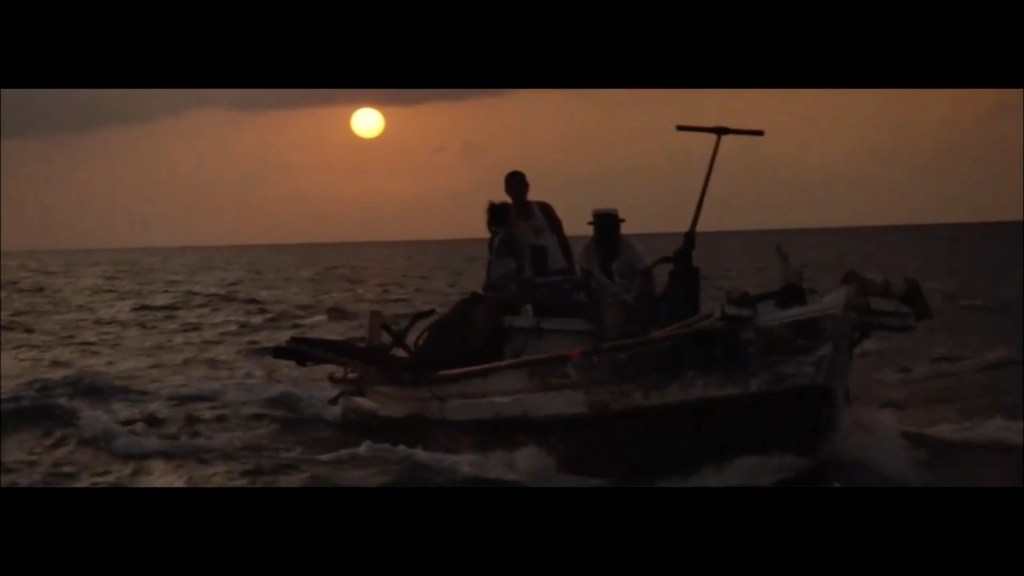
Didn’t I say the plot was simple? Jokichi seemed relieved once Senzo was dead, and the woman who fled thanks to him, now accompanying Gen, didn’t need the precious treasure because she was happy to lie on the beach and pump oxygen – with the lever on the boat – to Gen, who was descending with his diving suit, over and over again, without success. A truce from the future brought Jokichi to the beach, and not far away, the woman and the rogue were just returning from their fruitless journey. Jokichi saw them pass in front of him and then accompanied them without speaking to the couple’s rudimentary tent. Soon the three of them were at work, except that it was the professional diver, relieved of his responsibility for revenge, who descended into the depths, in vain, it must be said, except for a huge piece that gave them just enough hope to continue the next day with more determination, if it weren’t for the fact that a car belonging to the yakuza gang arrived on the coast and the three of them spotted it.
Gen insisted on talking to them, and since it was none of his business, Jokichi wouldn’t let him. Gen then knocked Jokichi down with a blow to the ribs, leaving him winded, and as he approached the car in a friendly manner, he was shot by the thugs and fell dead. Jokichi immediately got up, as if in a hurry to reach the fate of the man who had just become his friend. With both of them dead, the end came to the beach. Perhaps the viewer is not so sentimental, perhaps the film does not leave a bitter taste in their mouth. You never know.

 Pantagruel´s liquor
Leave a comment