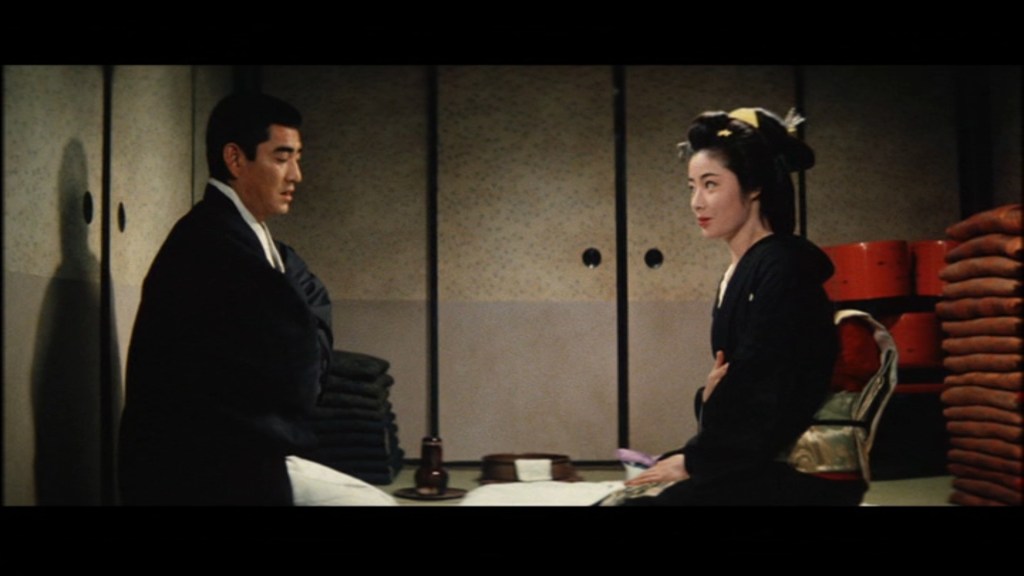
Only in Austen’s Pride and Prejudice have I enjoyed two characters as arrogant as Shinji and Shimada. A delight like few others, a geisha like Shiji: beautiful, intelligent and rebellious. Sumiko Fuji in her prime, what more could you ask for? What’s more, it’s always soul-enriching to revel in her haughtiness as she slaps down conceited men like the despicable mine owner Oshuja, who, newly arrived from Tokyo, arrives at the Tokiwa House and literally throws banknotes on the floor….
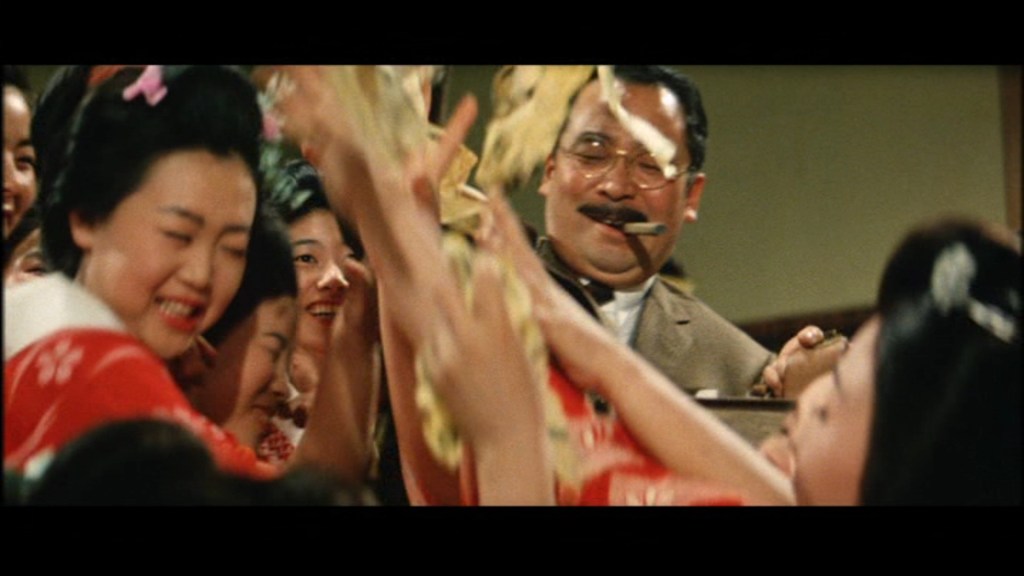
…so that the women will kneel down to pick them up and, in passing, surrender themselves to the old fart like lapdogs. But from the outset, it is clear that Shinji has the medicine for these exploiters, whose misogyny is not their worst flaw, as demonstrated by the military minister Sakata, whom he snubs.
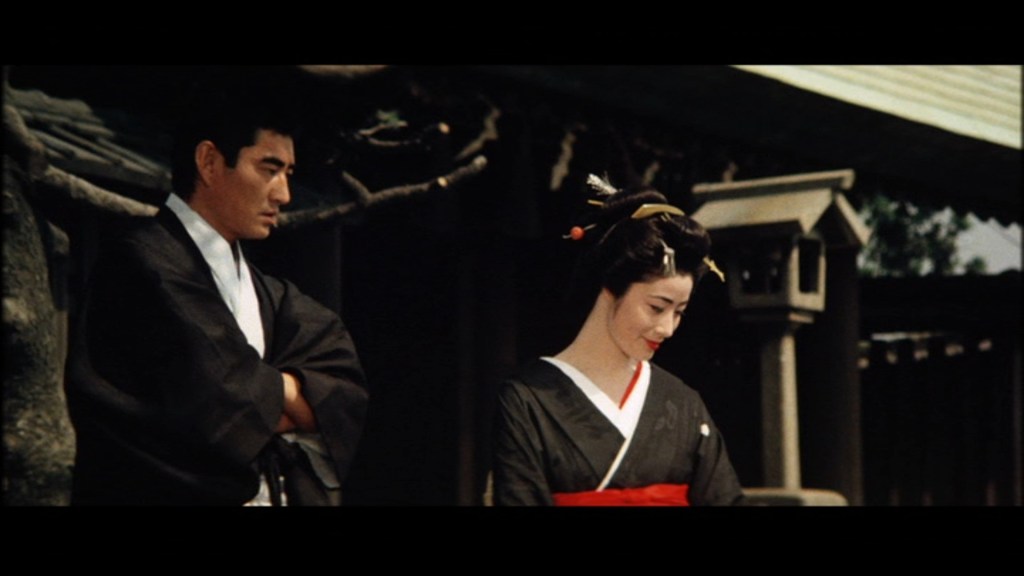
Then we have the gruff Shimada, every one of whose characteristics is designed to inflame the resentment and hatred of his enemies: he refuses to accept offers for his mountain, which makes him detestable to Oshuja, who is used to buying everyone; he does not drink alcohol, which arouses the suspicion of the high-ranking military officer Sakata, although the tension between the two is dissolved by a particular loud laugh from Wakayama’s character.
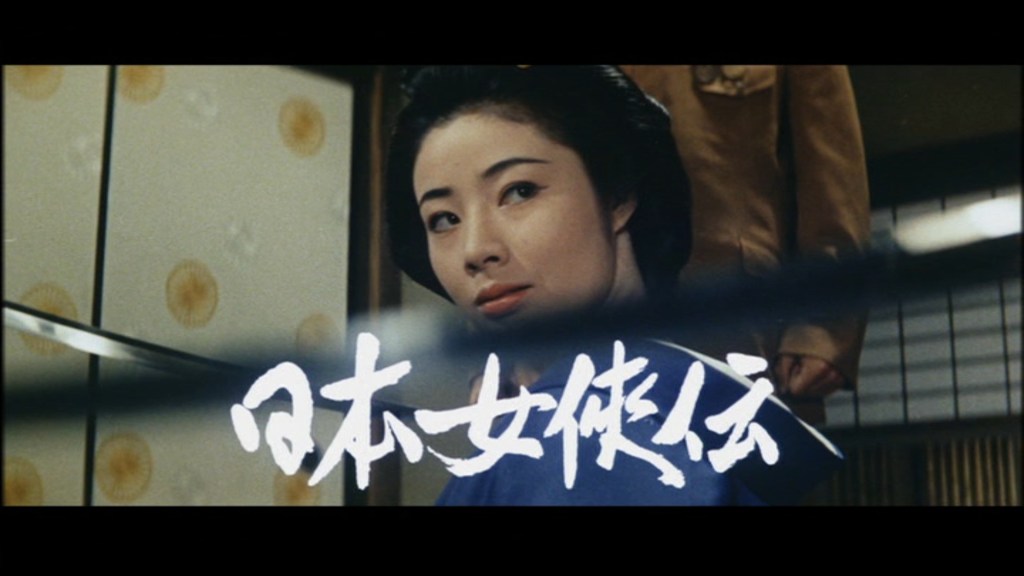
Accidentally, the miners whose boss is Shimada visit the geisha house and, upon entering to look for their men, they run into Shinji, who was willing to charge them only 10 yen upon hearing that they would not be returning, and they leave for home. They meet again when the geisha Suzue and her man try to escape from the exploitation of the place and are pursued by the henchmen of the Banba group, Oshuja’s own henchmen, to force the fugitive to return to the coal mine. Of course, the story is simple, reflecting the labour slavery of the humiliated and weak workers and, on the other hand, the monopolistic expansionism of Oshuja, who, one by one, bought up the other owners of mountain plots in Kyusho at ridiculous prices or manipulated, wronged, blackmailed, expropriated or drove them to suicide in order to take over all the mining in the early Taisho period.
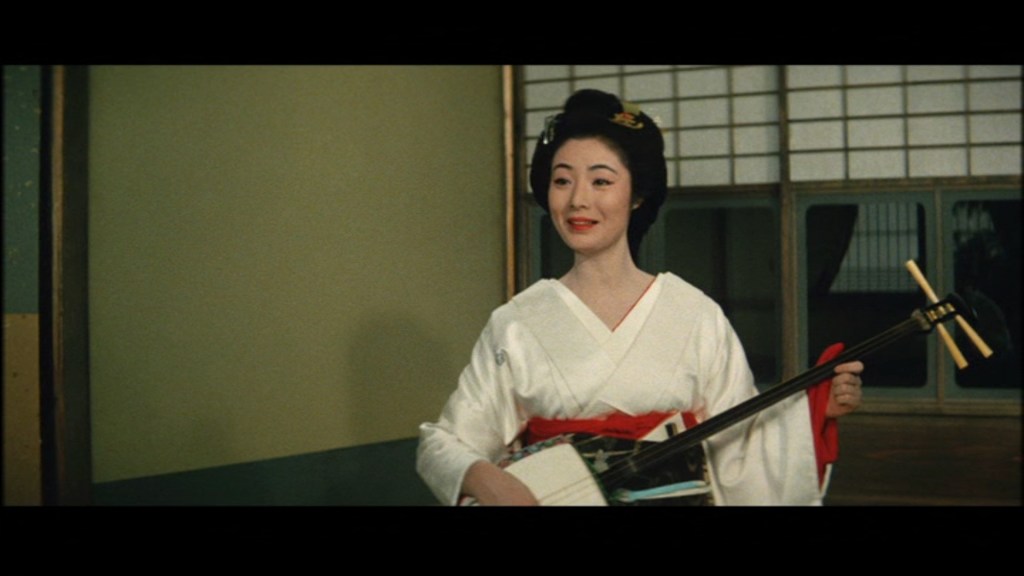
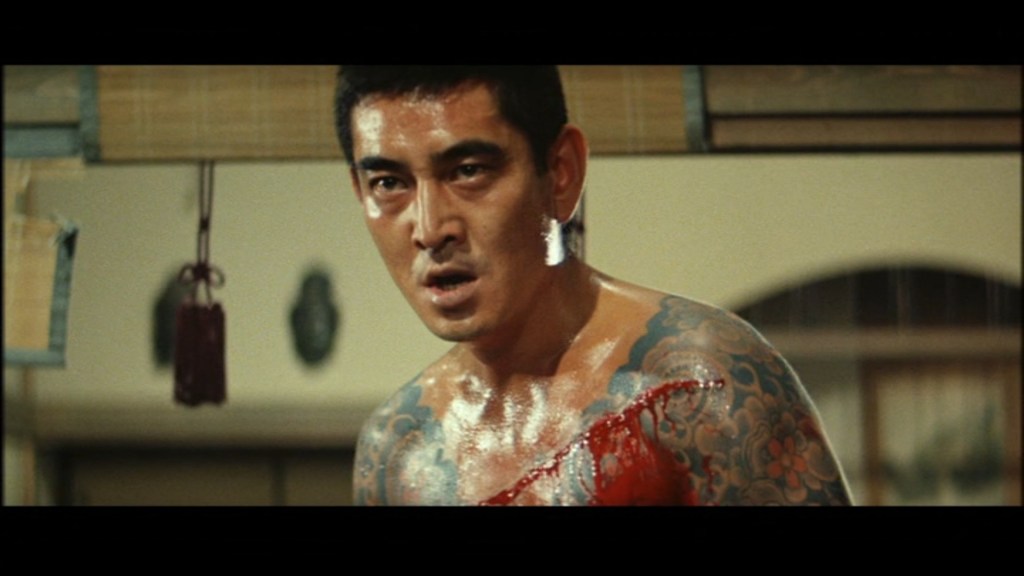
The idyll between Shimada and Shinji would have flourished, had it not been for Oshuja’s attempt to make the fierce Shinji his favourite, and she never hid her feelings, even hinting at her love for the reserved and hard-working Shimada, who had promised his former boss to always lead the mining company to success. The scene where she admits in front of everyone, including the stunned minister, her fellow geisha and Oshuja himself, that she is in love with Shimada, and then drinks a huge bowl of sake, is emotional and culminates, obviously, in her drunkenness, where she loses consciousness but Shimada takes care of her until she wakes up. The scenes where the geishas dance and play the shamisen are adorable, and events come to a head when the greedy Oshuja (Osuga), unable to block Shimada’s shipments of materials (because of his close relationship with other barquees and merchants, they side with Shimada—he resorts, as expected, to violence, demolishing and blowing up the mine. The workers want revenge at that moment, but Shimada calms them down so that he is the only one to lose his life in the suicidal assault on Osuga’s quarters. He had already spoken to Shinji and lamented with her that they were from such different worlds, given how their future now looked, now that they had destroyed the mine that he had worked so hard to build up. The final scene is poetic despite its brutality because it intertwines the scene of Shinji in his attire with that of Shimada as he is mortally wounded but finally reaches the ambitious Oshujo and stabs him with his sword. It’s so sad, a man who tried to erase his criminal past and do something right and honourable, who tried to resolve things without using a sword or his fists, and who ends up covered in blood to achieve it. I’m speechless.
 Pantagruel´s liquor
Leave a comment