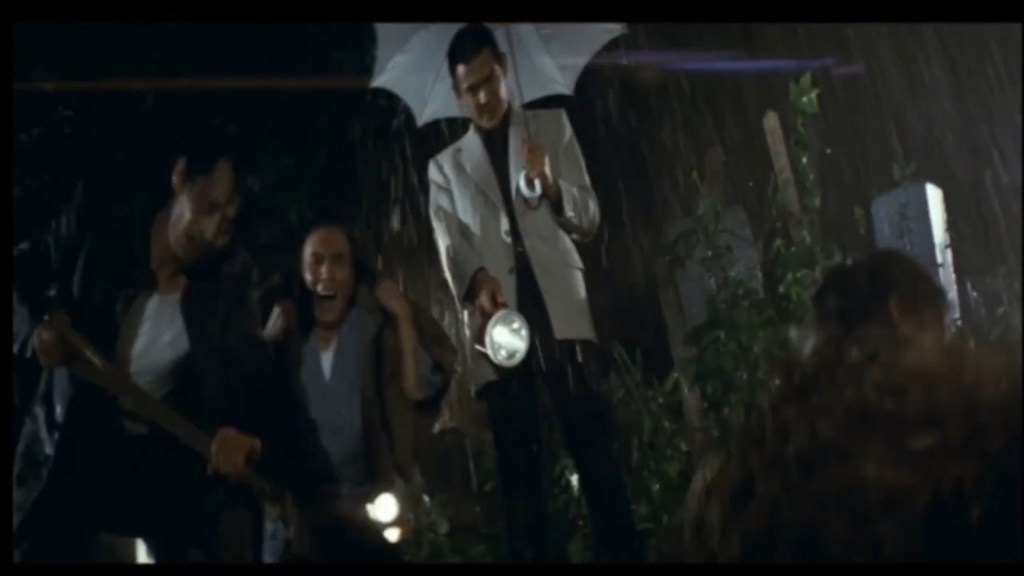
Shuji Kuroda didn’t know it, but disappointment awaited him when he was released from prison after serving seven years for the murder of the Kyoei clan boss, a crime that should have been committed by the heroin addict Kusunoki, who failed due to the effects of his own addiction. He did not receive the compensation he was promised, and to make matters worse, he arrived in Kyusho in the midst of a storm, not only between the Owada-gum and Kyoei clans, but also within the ranks of Owada itself, due to Aihara’s ambition and deceit within the same group.
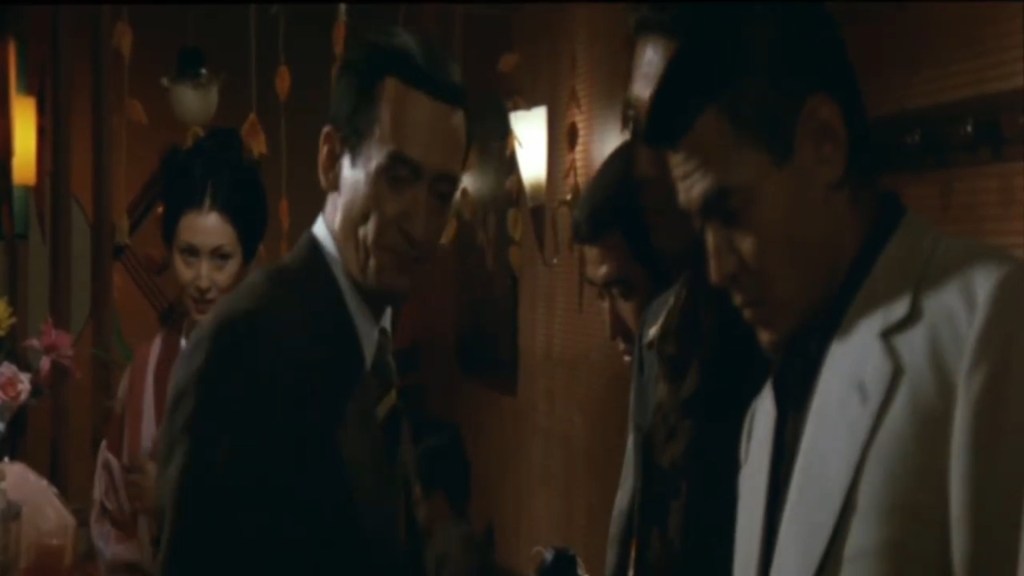
The lack of honour referred to in the subtitle is literal and begins not only with the mafia’s failure to honour Bunta’s character, but also with the humiliating way in which Owada’s son-in-law kneels to ask for a loan of 3 million yen to pay his debt for not having gone to prison.
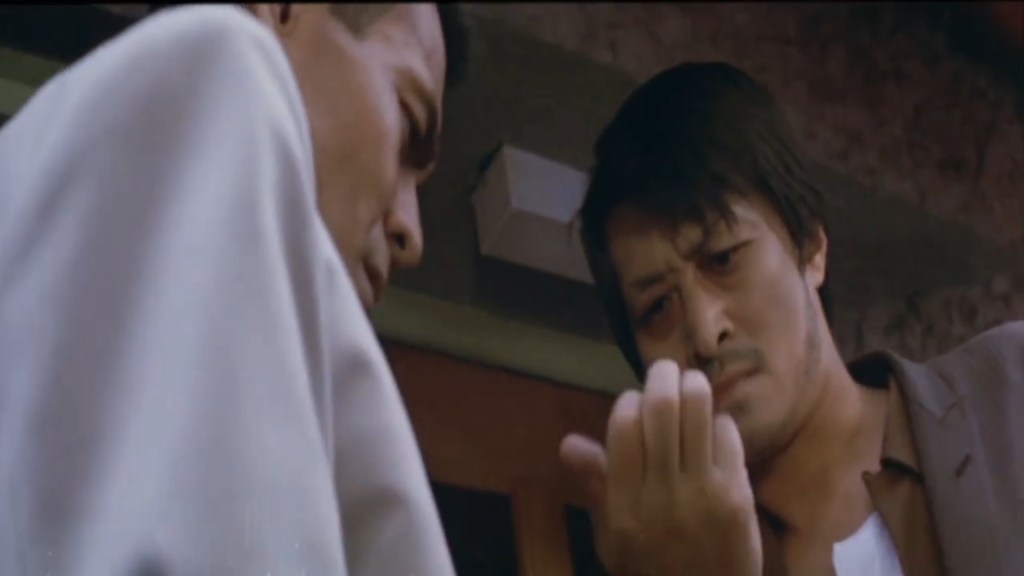
Owada fires him from his job, and that night, when Shuji gets drunk and suggests that he should pay for the bar or restaurant, Kusunoki and he get into a fight, and a drunken Shuji is taken to a motel where he finds Akamatsu’s wife (another big leader within the organisation) cheating on him with Aihara.
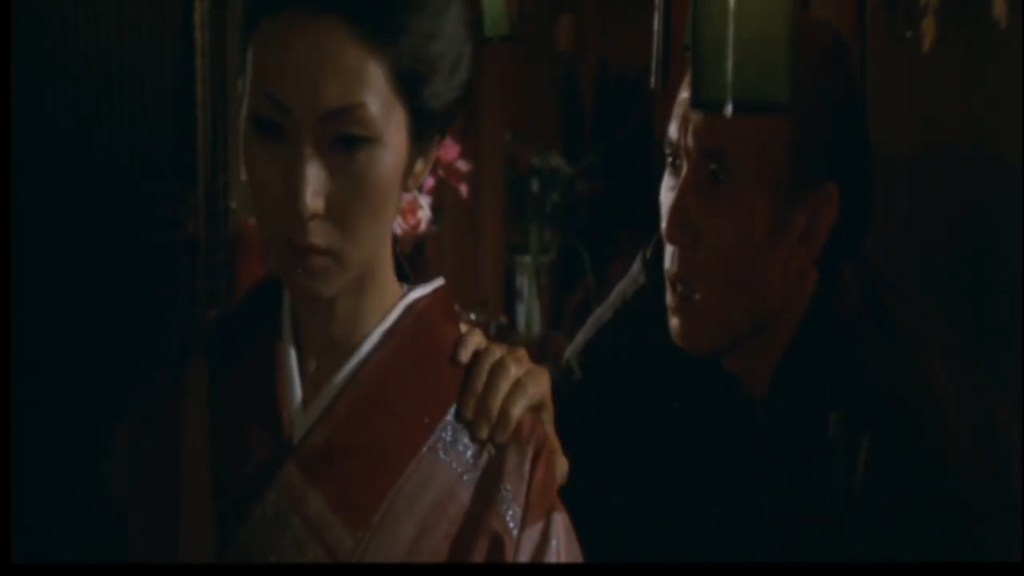
What triggers Shiju not being paid is Kusunoki’s unexpected reaction, breaking into Owada’s property and kidnapping both Owada and his wife to take them in the middle of the night to a remote location and force the woman to dig a hole to bury her alive. There is no doubt that Fukasaku’s direction is characterised by a dynamic and violent cinematic style.
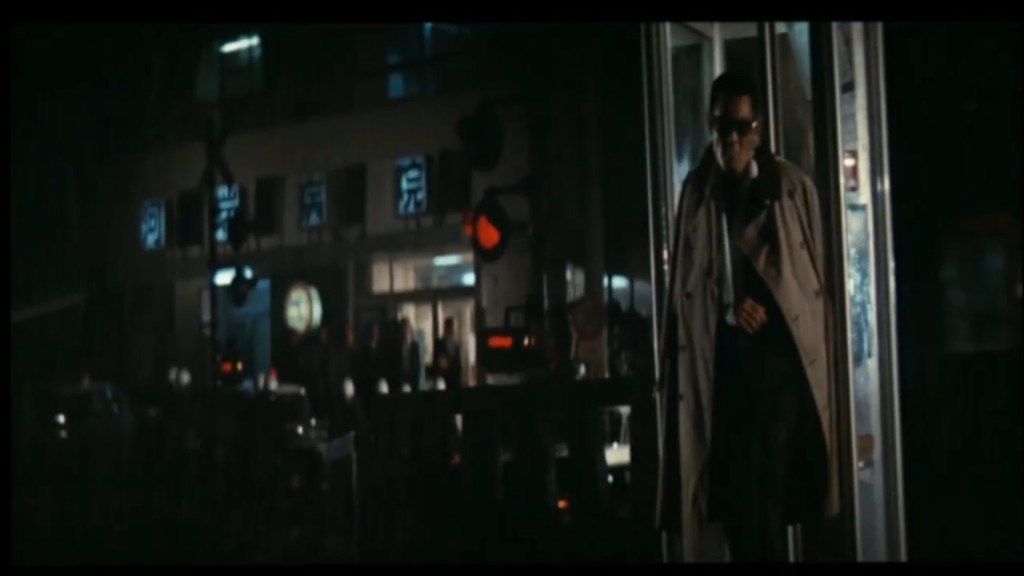
He uses techniques such as handheld cameras and rapid editing to create a sense of chaos and urgency, but his documentary approach also makes the scenes seem more outrageous than they probably end up being, considering that they are yakuza. In short, they feel visceral and raw.
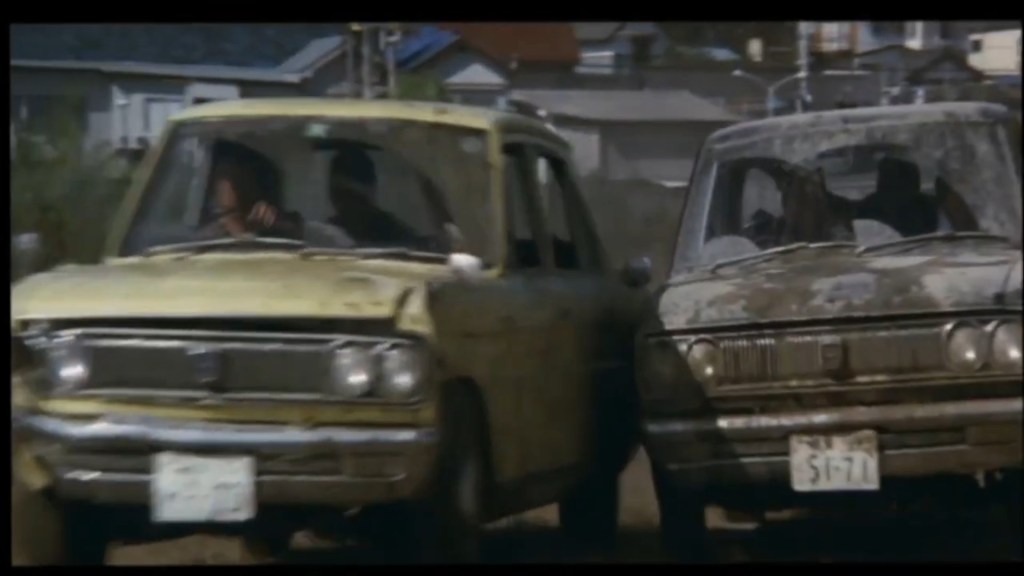
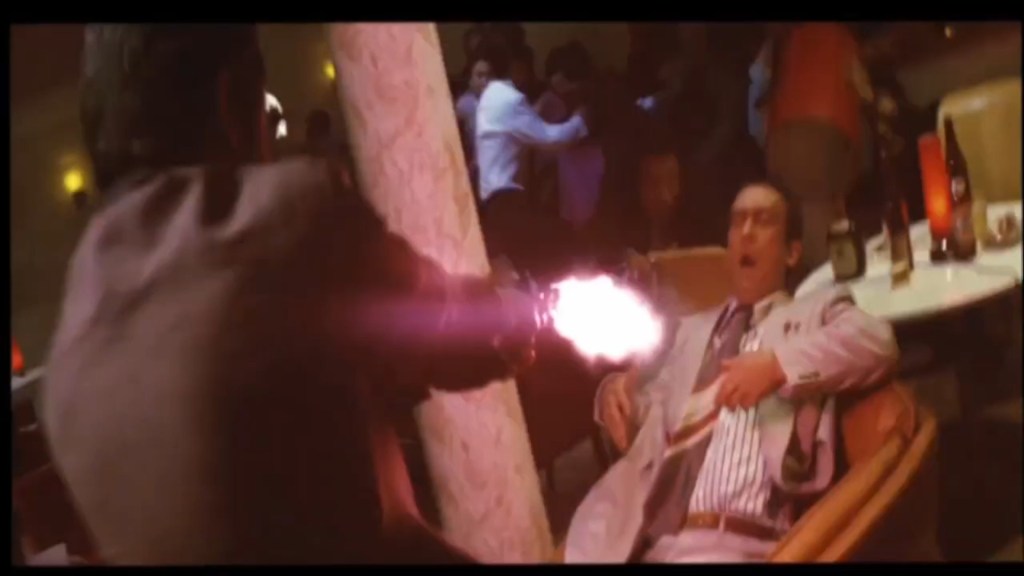
The Jingi Naki Tatakai series, of which this film is a part, is considered a deconstruction of the myth of the yakuza as an honourable figure, showing instead a world of senseless violence (see the stupid death of Taroya, the younger brother), constant betrayals and a profound lack of humanity. The strength of the film lies where many see the director’s laziness due to the lightness or crudeness of many scenes, especially the one that closes the story in the restaurant when the member of Shiju’s group pretends to dance sweetly and suddenly runs towards Aihara and shoots him at his own banquet at the table, similar to the scene in The Godfather with Al Pacino.
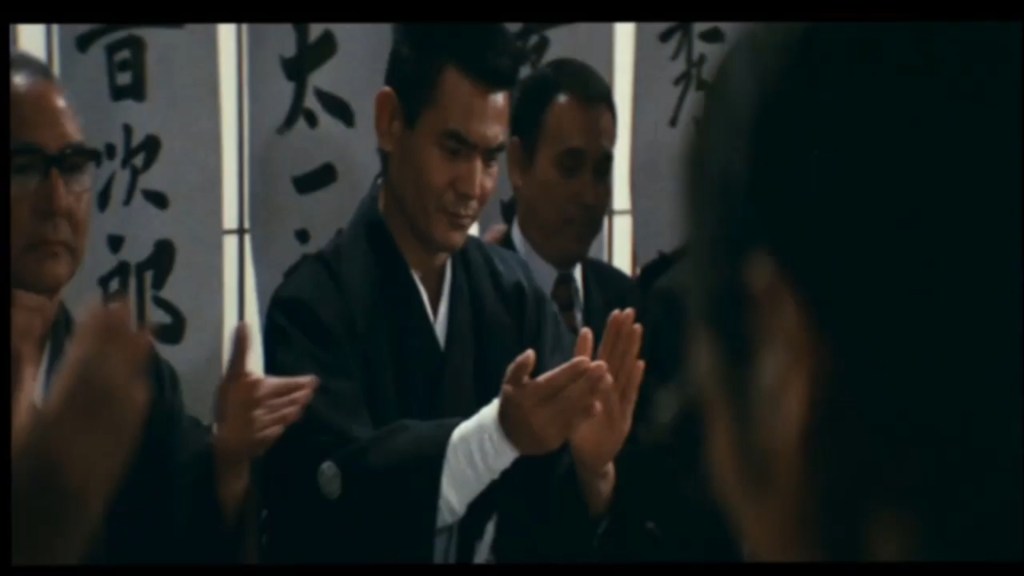
The film’s strength lies in this scenic trepidation, as if filmed without editing, with no cuts and no room for error, spontaneity in the car chases, with the camera unstable and the inevitable dizziness for a few seconds when the discontented Shiju once again dreams of becoming the leader whom the leader himself tried to incorporate into the Owada clan after the sequence in which the dim-witted Kunusoki buries his wife alive in a hole. Owada was beginning to bring him in, but Aihara and the others opposed it. When Owada is finally shot and killed by his son-in-law in his own bar, Shuji leaves the Owada clan and arbitrarily names himself Izeki, a soft and timid guy who is easily manipulated by Aihara. After Izeki is named the new successor, Aihara must even rely on Morimoto’s group to defend the second generation of the yakuza clan from Shuji’s bullets and siege. I repeat, the action scenes look like they were filmed on home video, which gives them a rustic feel that goes very well with the story. With Aihata shot dead, the outcome puts Shiju in the lead, ready for the next episode.
 Pantagruel´s liquor
Leave a comment