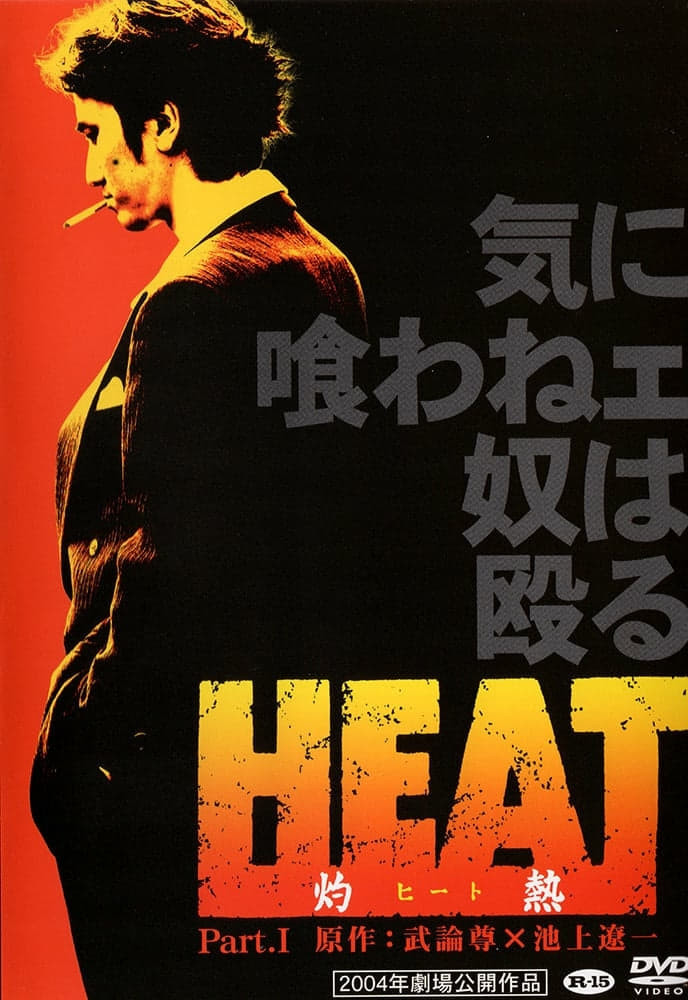
An acceptable adaptation of the manga by writer Yoshiyuki Okamura and artist Ryoichi Ikegami. Should I be impressed when the young Karasawa arrives to ask Taguchi for a loan, and the president, Itami Shoji, is perplexed, and when he tries to repel the intruder with his dim-witted bodyguard, Karasawa beats him up without even breaking a sweat? But the blows work because he makes him his lieutenant, and that’s how Kara-san earned respect, first from a gang of thugs because he later saved Shuji from a beating in the underground passage and made him his loyal follower, and soon from the Shinjuku underworld. Slowly, his amateur status allows him to be reckless in his actions, which are otherwise irregular, even though his grandmother tells him he is playing with fire by trying to rise to the top of the yakuza.
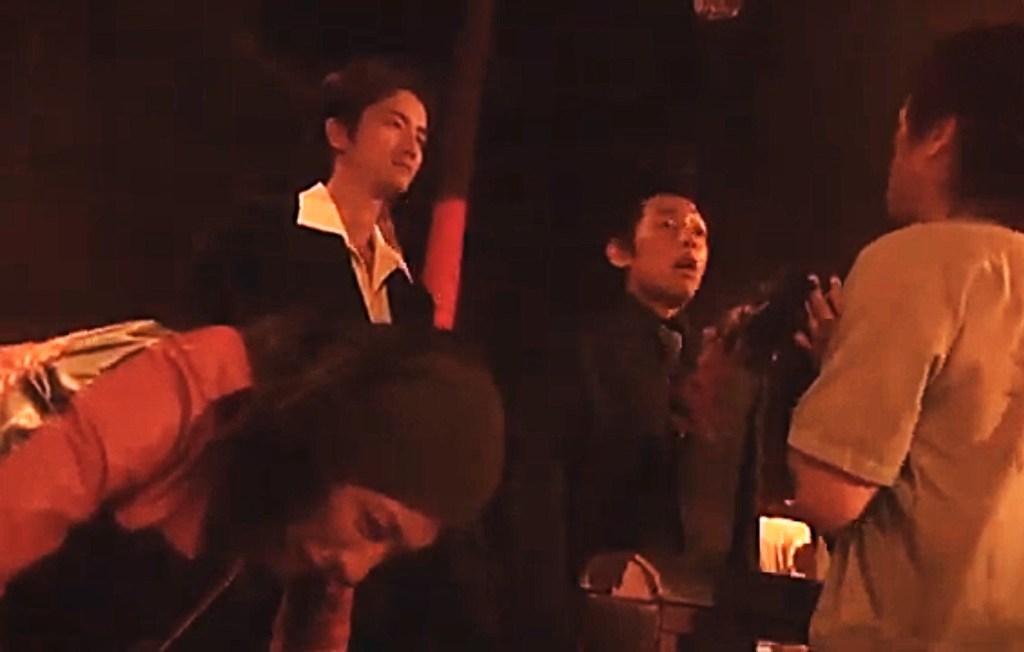
For now, he faces the Kansai Association, whose boss is Murasame, who answers to the Kansai Sanno Kai, a power-hungry imbecile who treats his lieutenant Murasame without honour but is fortunate not to be betrayed by the fool, not even when he humiliates him by breaking a glass bottle of alcohol over his head, blaming him – without him being responsible – for the kidnapping of his daughter Maria. Maria found it easy to go out for a night of drinking and alcohol in Shinjuku, where the last hosts have been killing each other with blows and gunshots, and to the bar, incidentally, where Kara-san arrived to rescue Shuji, the gang member with the bandana, when he was being tortured to hand over his boss Kara.

Instead, Kara arrived with his gang and broke and set fire to the place, but not before smashing the head of the Sannokai family’s thug. In one scene, in the world of gambling and Vietnamese cockfighting, Kara was with his gang and accidentally witnessed a couple of thugs from the Guangdong gang beating up a shop assistant just because his cock didn’t win the last fight and he lost money. Kara san gave him a good beating and immediately invited him to follow him on his crusade to the top, where the supreme yakuza Ogata, leader of the 4th generation, is supposed to be, and who of course wants to wipe Kara san off the face of the earth, without success. Kara is also loyal to his subordinates, because when they kidnap his new Guangdong gang member and slash his arm, he comes up with the 50 million ransom for his friend, helped by Itami with the money. The issue is the way he dealt with that Vietnamese clan. When making the exchange, Kara deducted the cost of the wound to repair his injury, and the leader protested only to receive the kidnapped man’s sword, which pierced him. Chuan, the son, shouted at the bodyguard, ‘Luo, what are you waiting for, shoot them,’ but Luo shot the son in the head for sexually abusing his wife, and thus Karasawa gained another ally.

They would certainly be useful to him as he advanced in the chain of command, since a leader named Ishikura (who, to make matters worse, has cancer and has no problem risking his life), who is lower in Ogata’s hierarchy but higher than the soft Murasame, began to hire unknown Chinese men in Shinjuku to pay Kara back in kind. So, offering 200 million yen to anyone who kills Kara, word gets out and the gang quickly catches the first recruits. Kara’s gang takes the newly paid hitmen by surprise and takes advantage of the theatricality to distract them, snatch the sword and eliminate them. How do they distract them? By bringing in a backhoe that literally carries the millions in coins and throws them in front of the enthusiastic assassins, who are left speechless until they get beaten up. The ending is open in the film, and Kara re-addresses the devious Murasame, emphasising that ‘no human lives 200 years anyway’.
 Pantagruel´s liquor
Leave a comment