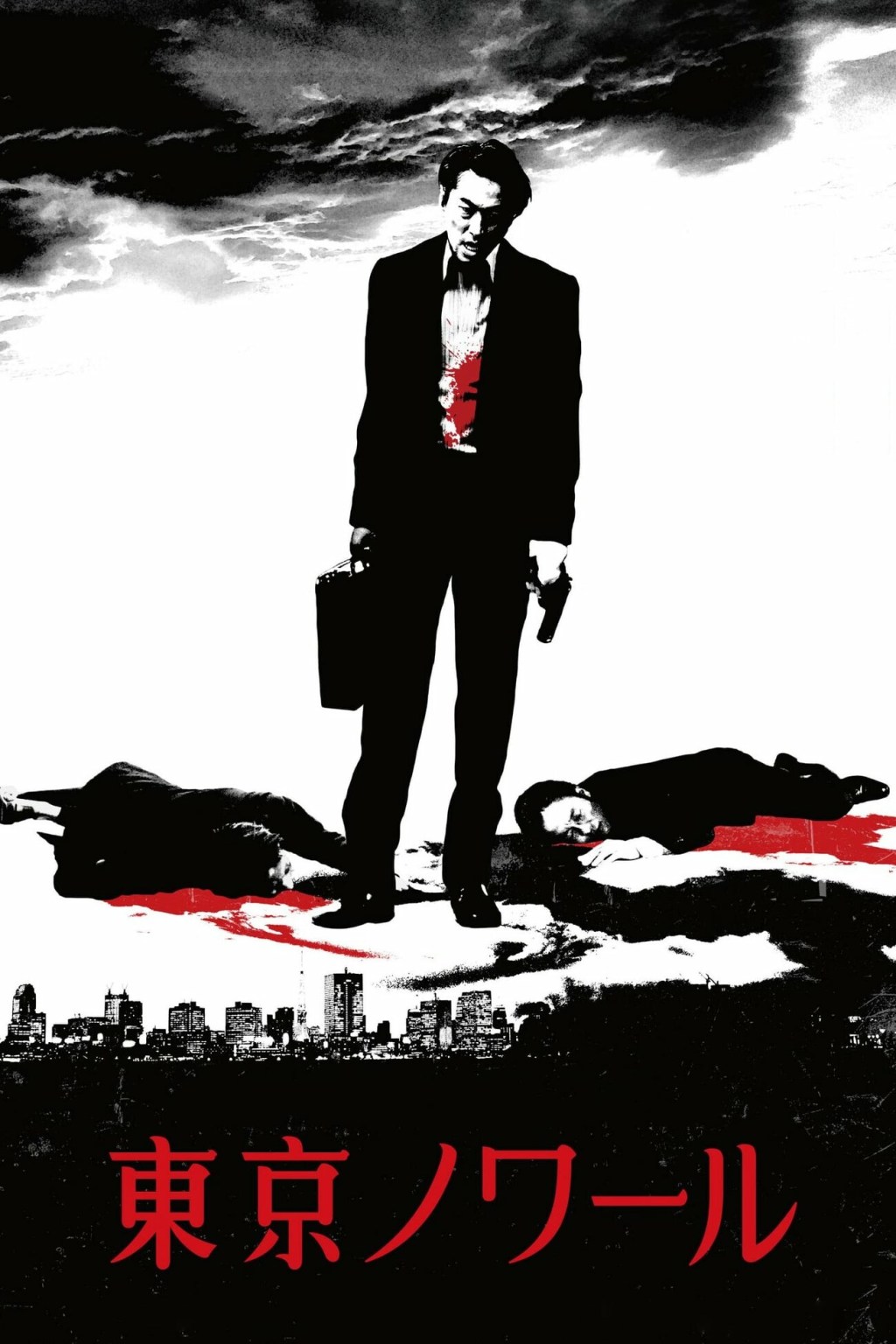
Damn Japanese, they always keep their secrets to themselves until they die, even if it costs them their lives like it did Namura. To begin with, there is a clear parallel in this story to the paradigm of classical Greek tragedy, similar to Oedipus killing his father, although the story mentions Dostoyevsky’s Crime and Punishment, a book that the teenagers Kazuha and Namura’s son burn, incidentally. The narrative structure of this film -in extremis res- and the eventful flashback more than 400 days before the climax make Yamashita’s plot interesting, especially for viewers who love books, because fortunately they are not usually boring or linear. As in Oedipus, the genre is recognisable by the presence of a kind-hearted protagonist who commits a mistake called ‘hamartia’ and Moira, or fate, falls with all its weight, bringing irreparable misfortune to a noble act.

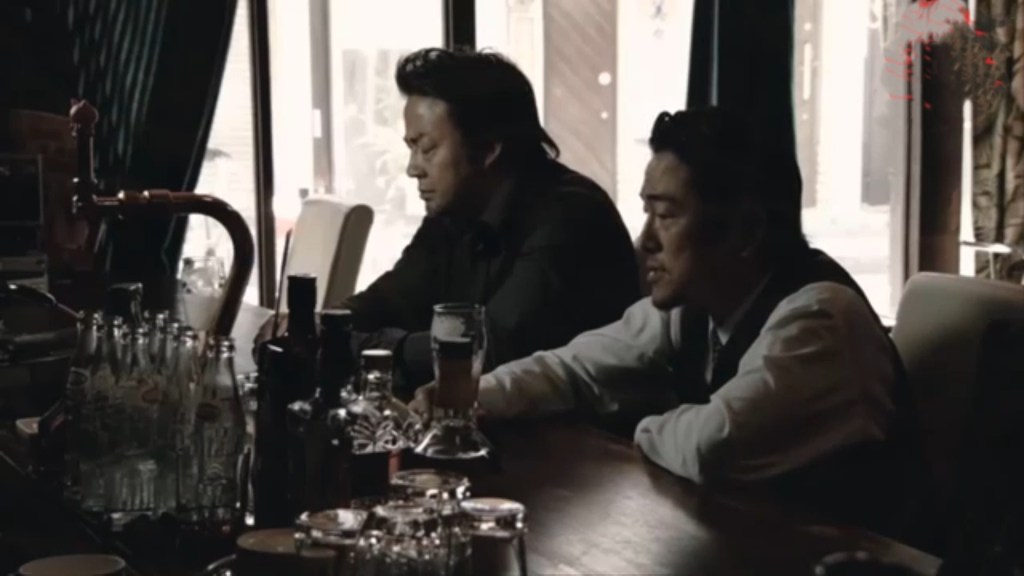
From Chapter 1, when Katagiri-san dies at the hands of Shima, the accident or hamartia does not refer to that, but to the mistake that is omitted with an ellipsis in the supposed execution or murder of Yama in Chapter 5, entitled ‘The Truth Behind the Yamashino Murder’. 407 days before the end of the film, it is understood, and this connects or links to the section of the film that took place in Chapter 2, entitled ‘Black Spring,’ which dealt with the random way in which Namura’s son started working as a yakuza, finding the bag of contraband belonging to the dying man and later being forced to steal the money that his father’s partner and brother, Yamashino, had stolen from the mafia, separating him to renounce being a yakuza and flee with his daughter Kazuha. So the complexity of this film is as follows: the person who points out in the synopsis that he will renounce being a yakuza, Namura, will not be able to do so and will have to cut off a finger to save his life in front of his boss, because his best friend and partner, Yama, trying to renounce being a yakuza, will upset everything and die in the attempt.
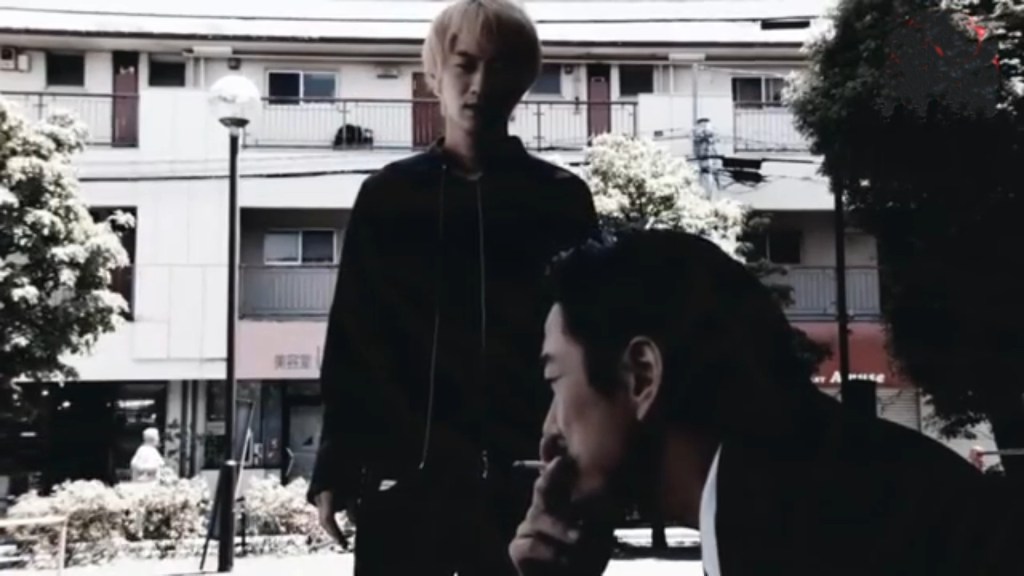
Namura’s wayward but noble son wants to be Kazuha’s boyfriend, but it turns out that Kazuha finds out that her father was tortured and murdered by her own brother Namura, the father of the boy who is pursuing her. Kazuha tries to kill Namura but in the end does not dare, but suddenly her son appears and stabs him with a katana. As he bleeds to death, he remembers the events in the hangar where the detonation of Yama’s murder was heard. Namura let his friend go so that he could escape with the money, but Yama, knowing that this would implicate him with the yakuza they serve, grabbed the gun, put it to his temple and pulled the trigger to free his brother. Oedipus, like Namura’s son, had no idea that he would fall in love with his mother and kill his father, but the trickery of fate does not respect the moral scruples of mere mortals who barely dared to live a normal life in their own place, nor did it allow them the life that was not within their reach, not even for their children. Good work.
 Pantagruel´s liquor
Leave a comment