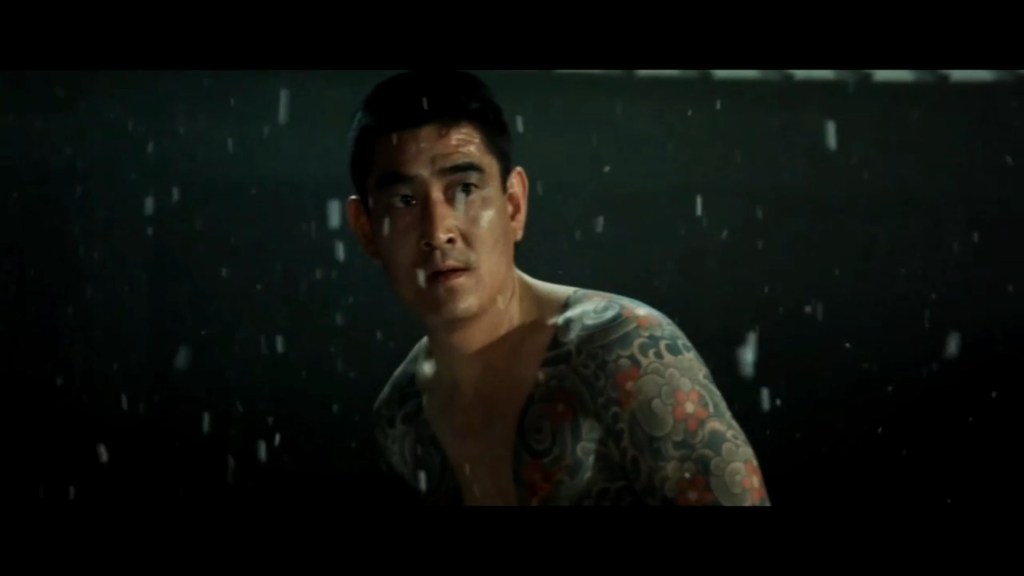
Universal history is full of Kuniedas. It is not exclusive to the Japanese yakuza or gang warfare – Aramasa vs Tanuma – over trafficking zones or territories, nor is it the issue of the loyalty of some of its members who confront mercenaries or traitors who are always present under the excuse of being pragmatic in their role in the organisation (sailing under a flag of convenience so as not to be in either union).

Both in the Russian mafia and in the Italian mafia, if we remember Puzzo’s Godfather, we find the same human motives: ambition, greed for power and the cult of personality. The exception to the rule in this film is not the plot or its motives, but the dramatic and expressive ability of the loyalists, such as Sakurai or even Ryoji Tachibana, who risk their lives out of loyalty to Masagoro, and those like Kunieda who take advantage of their newly acquired authority after the leader abdicates in their favour to meekly cede the gambling and betting area to the rival Tanuma group.
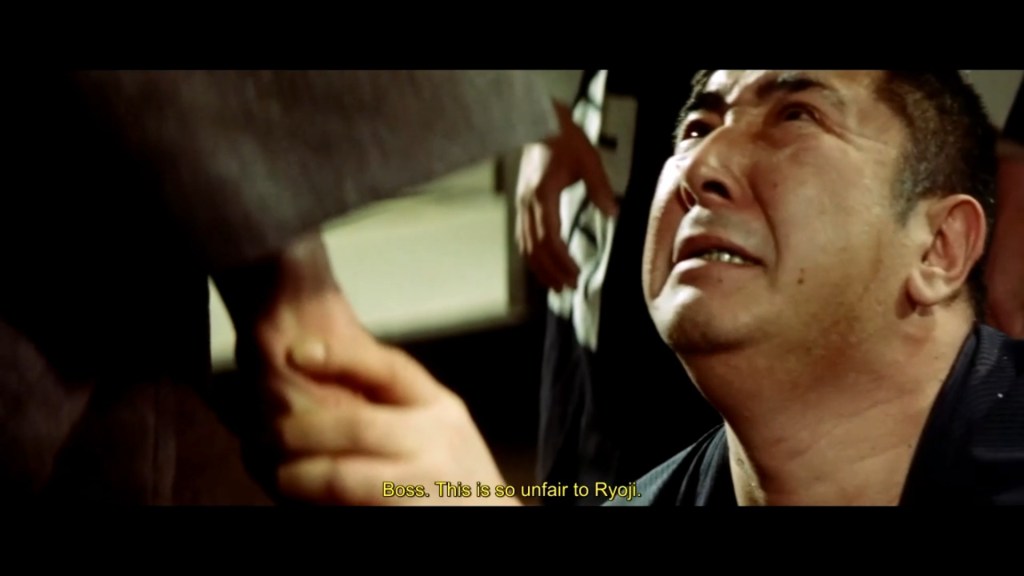
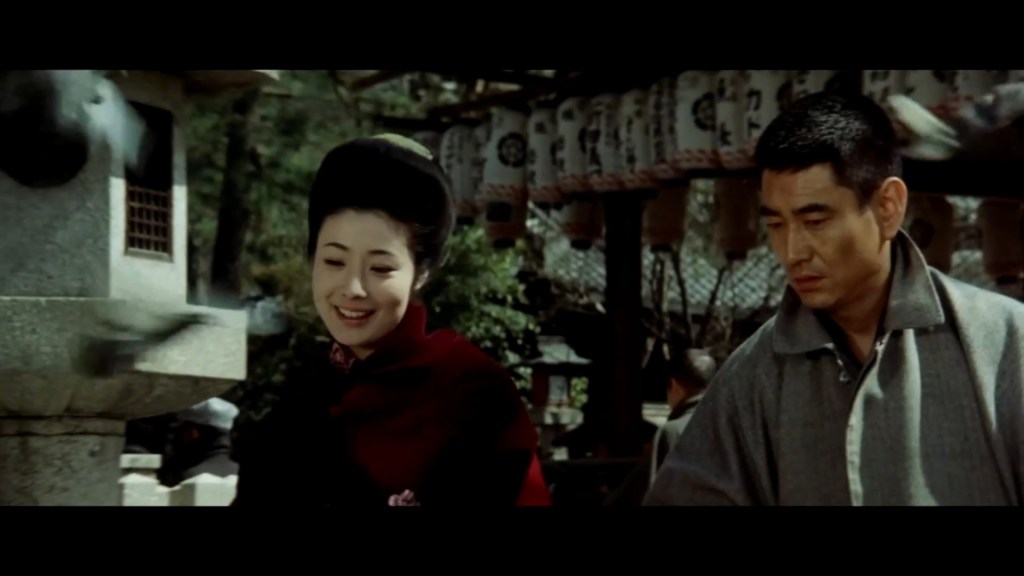
Take note of the sentimental scene under the train bridge where Sakurai is released from prison and, walking with Tachibana, is told that he has nowhere to work because Kuniedo has given his job to the rival family. When Sakurai leaves prison after leaving a scar on the face of the villain Tanuma, Tachibana is waiting for him and asks him to resign because Kunieda has already been appointed leader of the Aramasa. He does not think it right that after sacrificing himself and even being arrested and sentenced for obeying the boss, he should now have to obey the decision imposed on him by Kunieda. Even so, he agrees to respect the Aramasa family and not protest to his new boss, as Tachibana has suggested. Land and construction negotiations continue, and Sakurai is sent to Utsunomiya one day to close the bidding or auction for a construction project. He emerges victorious and gains notoriety despite being at the junior level. His boss, Kunieda, however, makes a deal with Tanuma again to split the profits 50/50 between the two clans on the project.
The passionate Eizo Sekine, who from the beginning opposed Kunieda’s appointment because he believed Sakurai deserved it, protests between tears and rage and does not hide how much he hates Tanuma, once again expressing his curse and anger at Sakurai’s demotion.
Sakurai asks him not to intervene, let alone threaten Tanuma now that he has sworn to Kunieda that they will become clan brothers and blood brothers. The turning point in the story occurs when a contractor from the Tomoda consortium urges Masagoro to begin construction in Tsukuishima. Sakurai is sent and achieves what he was asked to do, but he angers the Tanuma family, who immediately demand compensation for the damage.
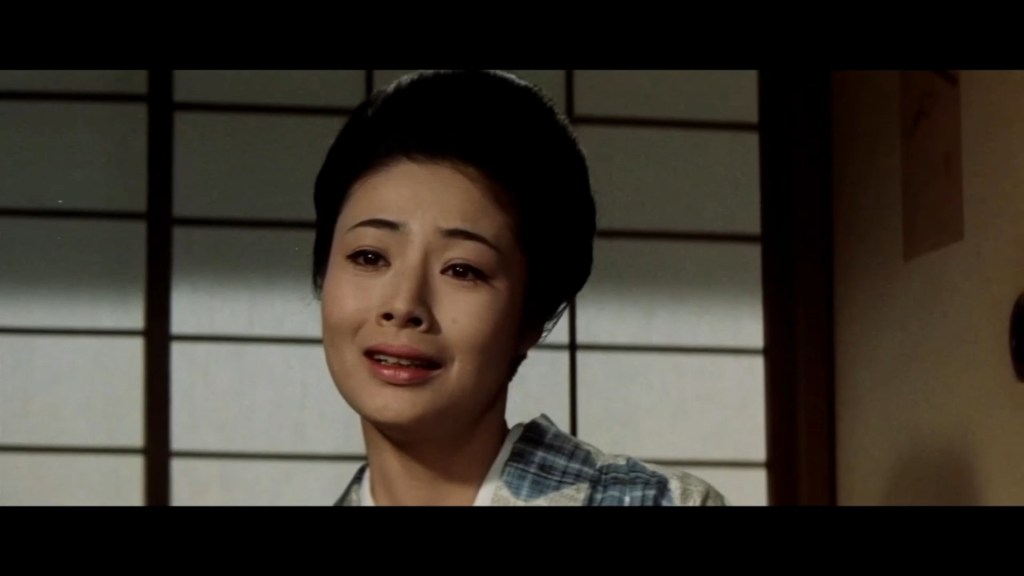
With matters coming to a head, he agrees to cut off one of his fingers in front of the Tanumas. As if that weren’t enough, he is beaten up. In other words, it remains to be seen how far his unconditional respect for the Sakurai tradition will take him, the tradition of honouring a boss for being a yakuza, even if he does not agree with his decisions. Sekine, on the other hand, not only raised his voice but also attacked Tanume, but Sakurai had already warned him that he would confront him even if they were clan brothers if he rebelled against Kunieda. The inevitable happens: Sekine is carrying a gun and Sakurai his sword. Sekine dies, as it seems that Sakurai was expecting him to shoot him in the chest and die. Instead, Sekine showed his affection for Sakurai and died impaled in a rather sad scene. Once Tanuma has settled into the Kinema Theatre construction project, the scoundrel keeps 100 per cent of the profits from the entire investment and shows the brute Kunieda that he only used him with deception (perfectly predictable for the viewer, of course) to get rid of the dangerous spies. When Kunieda realises what has happened, he is murdered, and despite the fact that Sakurai had already announced to Masagoro that he was giving up the yakuza life to live with Kayo, the woman he married (also to please Masagoro), he settles the score with Tanuma, using the same iron will with which he accepted the rules of the infamous leader Aramasa, only now to avenge him. He joins him as a brother and loses his life for it. Ryoji Tachibana says, ‘Count on me as that finger you lost because of my fault, for suggesting that you lower yourself to becoming a junior.’ The finale is a bloodbath, typical among yakuza clans, from which Sakurai will barely escape alive, but not Tachibana, who was cowardly shot with a gun without honour in front of his sword.

 Pantagruel´s liquor
Leave a comment