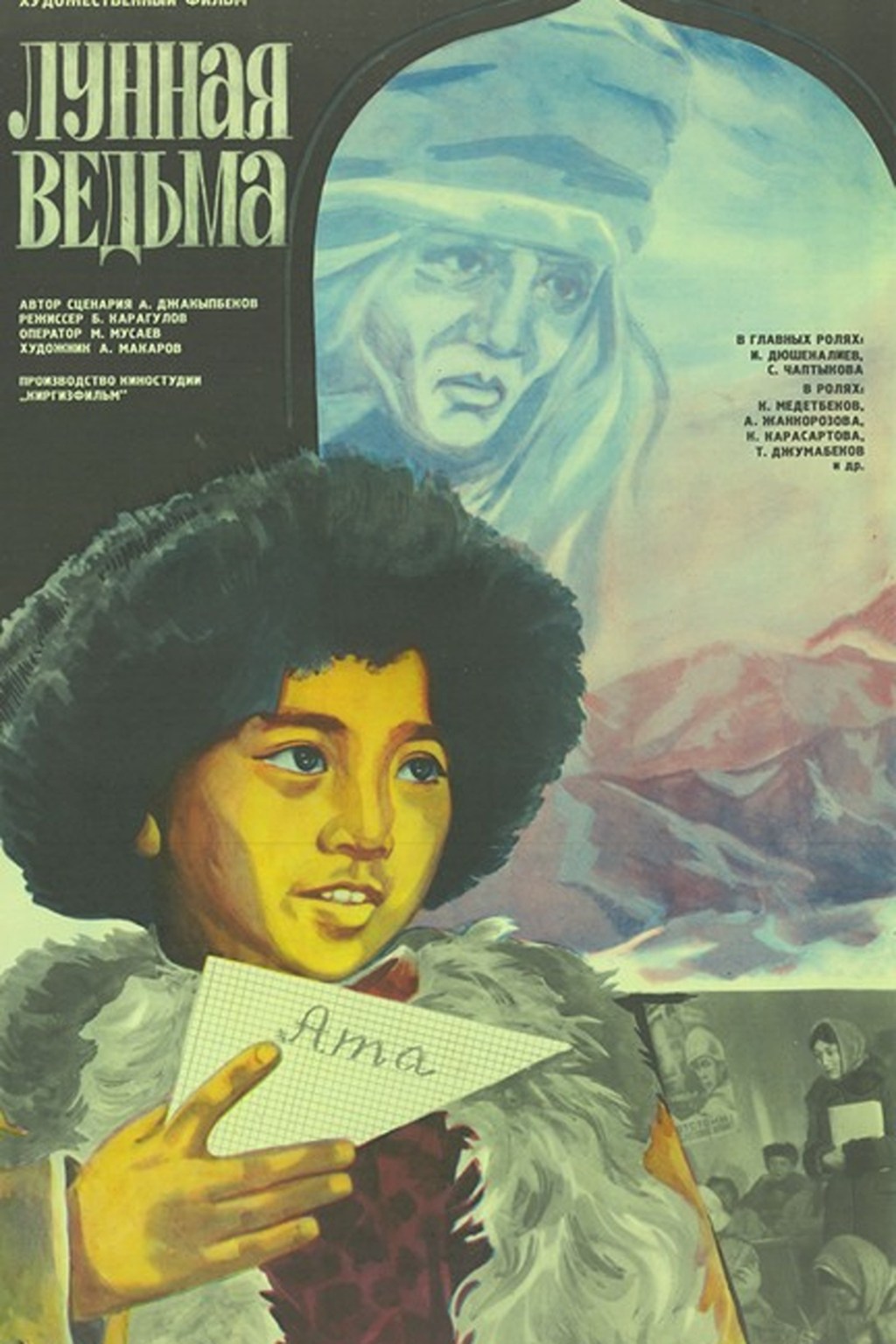
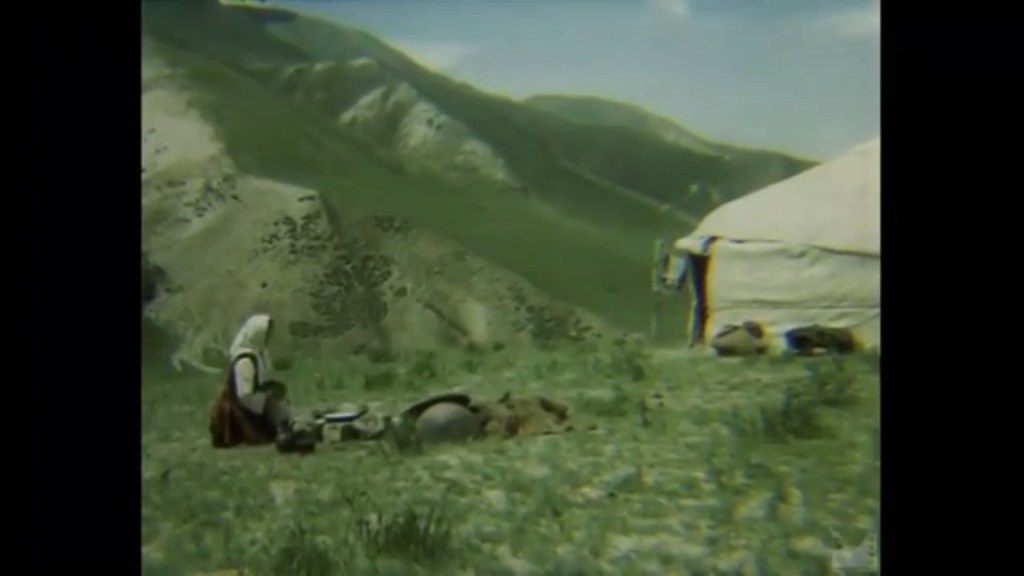
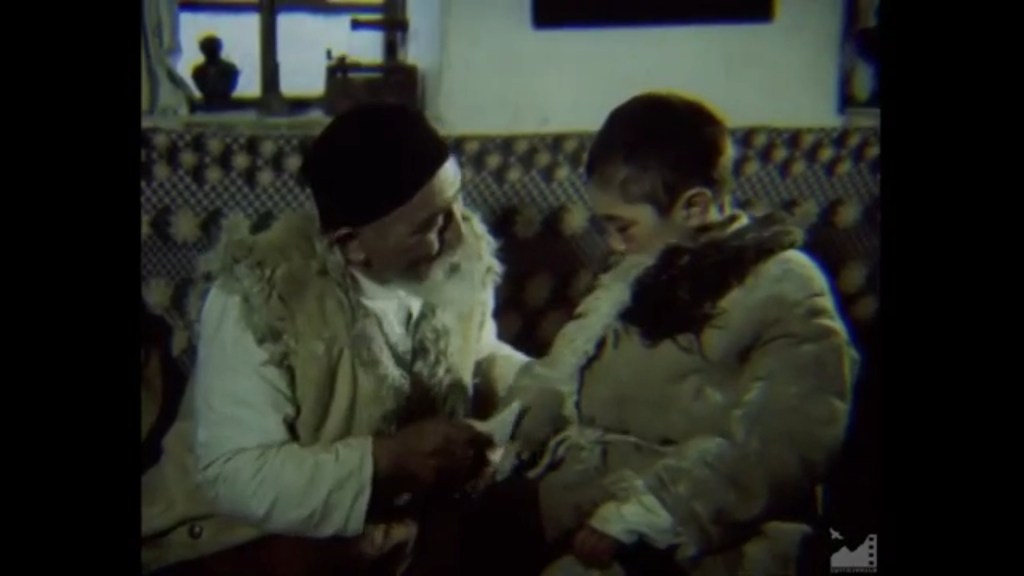
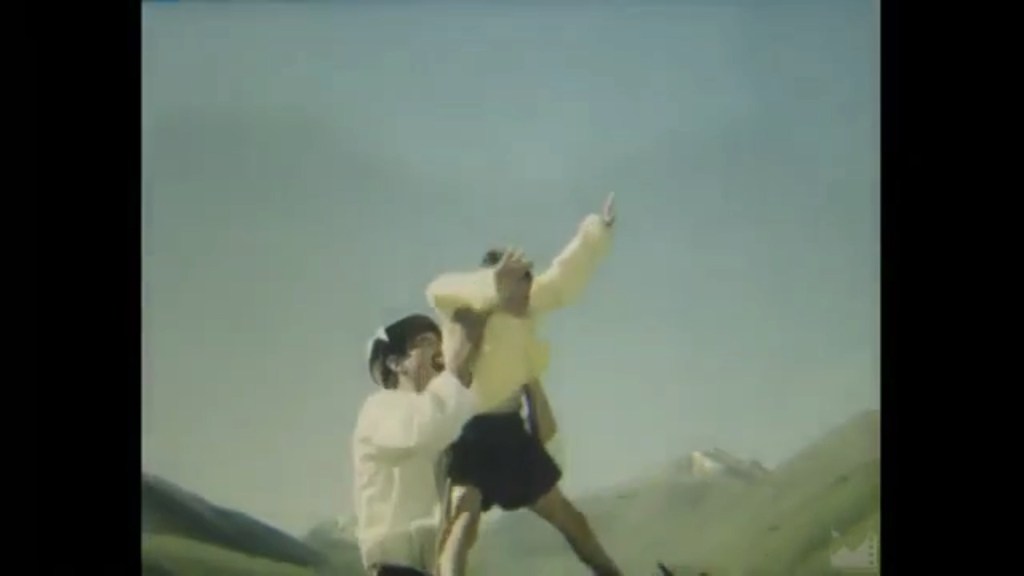
At some point in childhood, we all fill our real expectations—like the smiling Erkentai regarding his hope of soon seeing his father, who is at the front—with the colourful palette of fantasy drawn from legends, folklore and vox populli, as we can enjoy from the beginning of this beautiful Kyrgyz narrative poem for the early days of the Second World War, an old man in the midst of an oral transmission, clapping twice, once himself and once his shadow behind him, to explain the auspicious way in which his people emerged victorious when heaven and earth were united. Erkentai knows from the story of his grandfather Burhan that there will always be that good-natured, meddlesome bird that spoils the age-old counting of grains of sand by the witch sitting peacefully in the dark part of the moon.
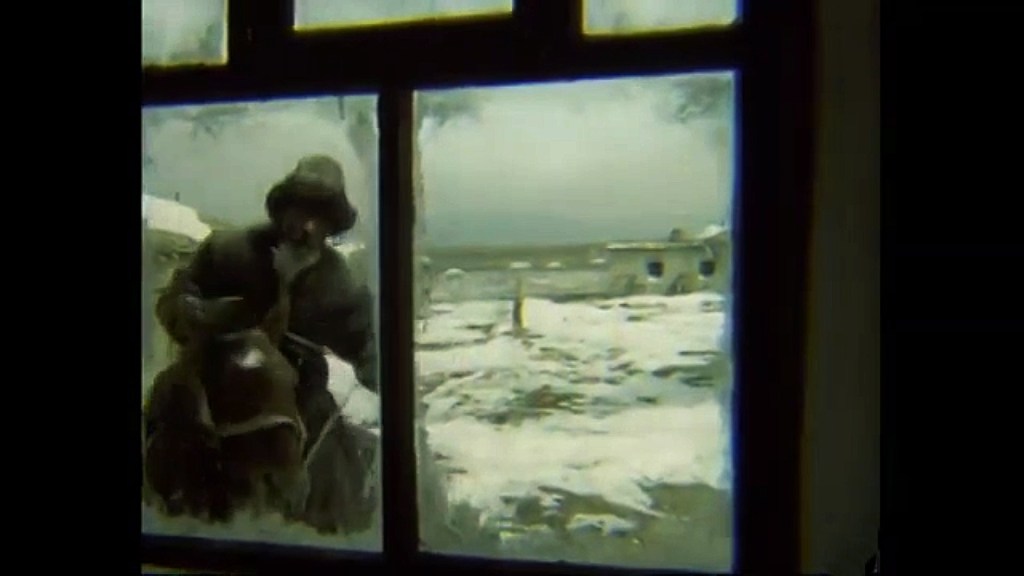
The witch has promised that she will come down to kill everyone as soon as she finishes counting the sand. Listen to how the boy’s cheerful tone of voice changes as he lowers his head and asks Asylkan: ‘Mum, what will happen if the swallow is late?’ Childhood fantasy is unbeatable as a form of resilience in the absence of a father and in the face of war, a harsh reality that is undoubtedly metaphorically represented by the witch on the moon. The boy in that village in Ailya, Kizigistan, is struggling to learn to write because when he goes to school he receives more bullying from his classmates and perplexity than knowledge.
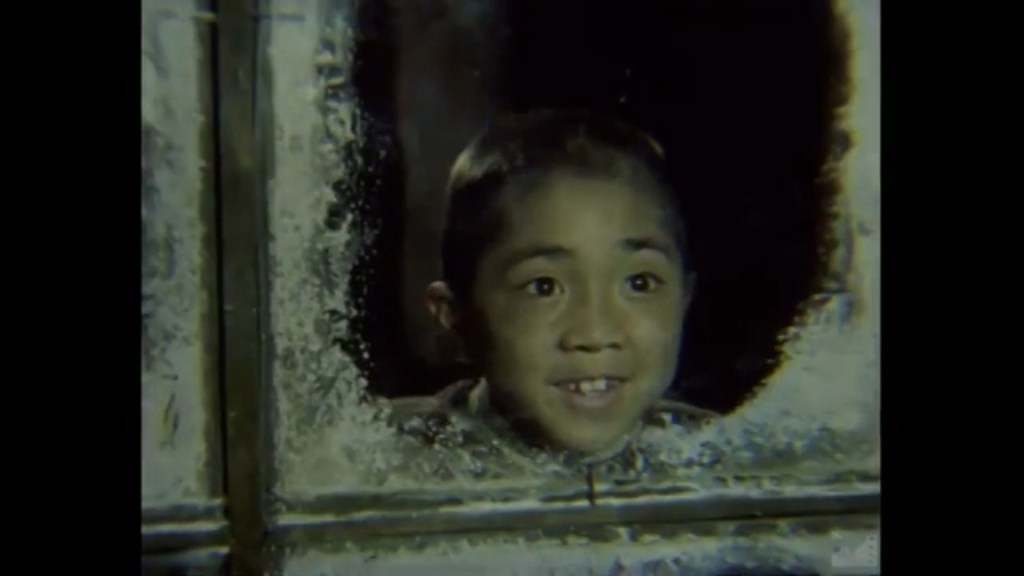
A letter arrives from those at war. ‘What’s new in Ailya?’ asks Shatmanov, the father from the front. But from time to time, black letters also arrive, announcing deaths in the trenches.
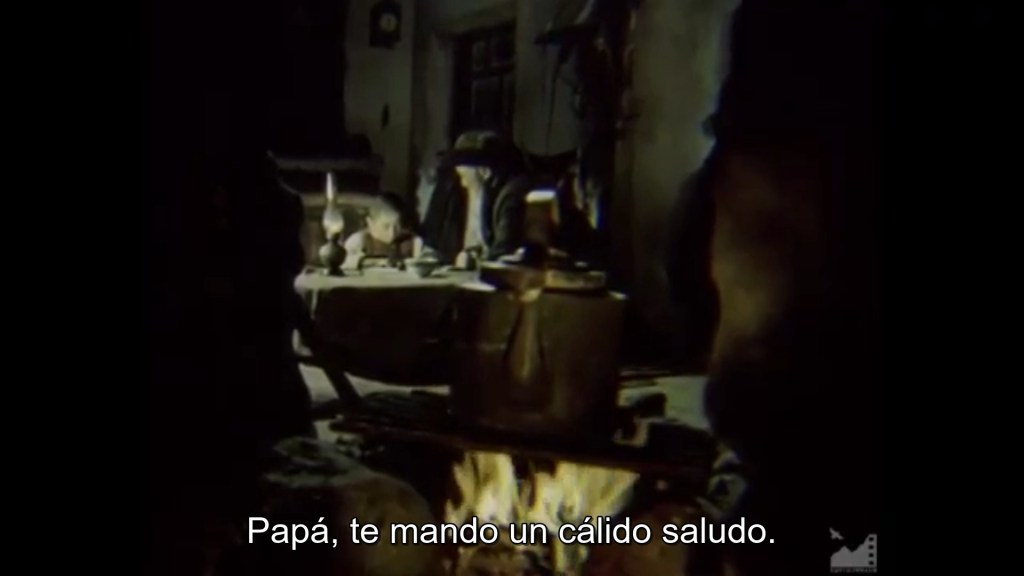
The old man Barkhanata, the village president, is called upon when it is time to show solidarity with the other villagers, and Barkhanara accompanies him. Barkhanata uses pebbles in his hands to count the joys of life and death. Shatmanov’s death has been reported.
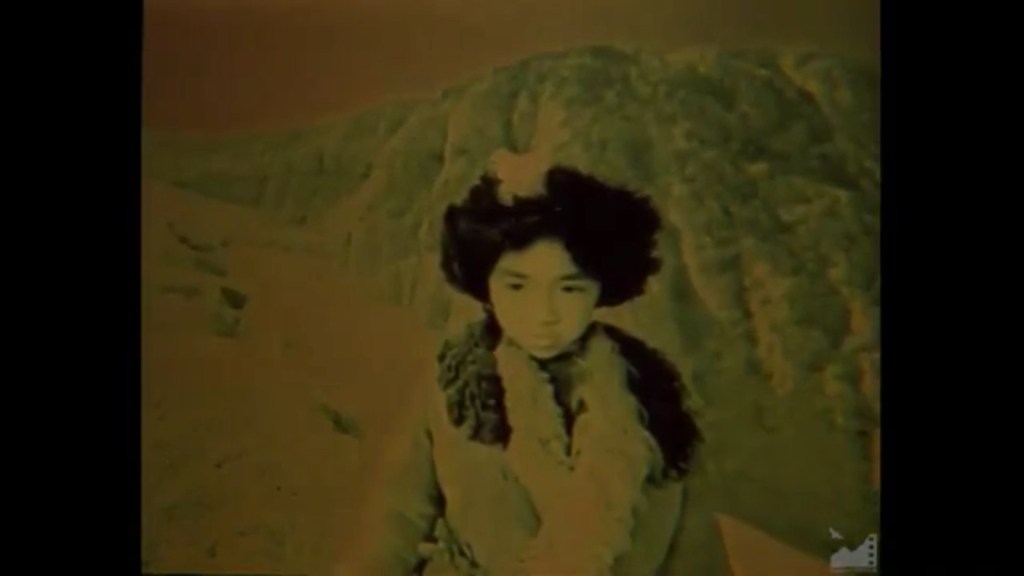
Tears for a wife, a nightmare for Erkin, who wanders towards the moon, in a yellow prism, until he encounters a witch whom he mistakes for an aunt.
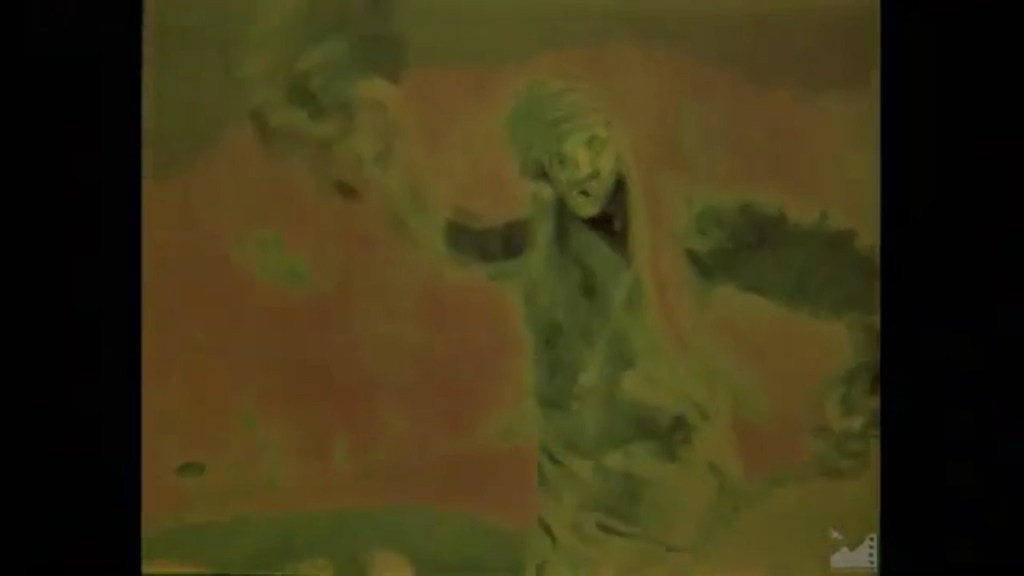
According to the evil woman, the very intelligent boy asks that when he returns to Earth, he should only kill the fascists. Days later, ‘Tell me, Mum, is Hitler a witch?’ Erkin asks his heartbroken mother, who refuses to tell him the truth about his father’s death.
How lucky Erkin was to have a mother like that. Thanks to her not telling him the truth, the boy continued to learn and improve his writing so he could keep sending letters to his father. ‘Dad, it’s spring here. Is it spring in the war?’
 Pantagruel´s liquor
Leave a comment