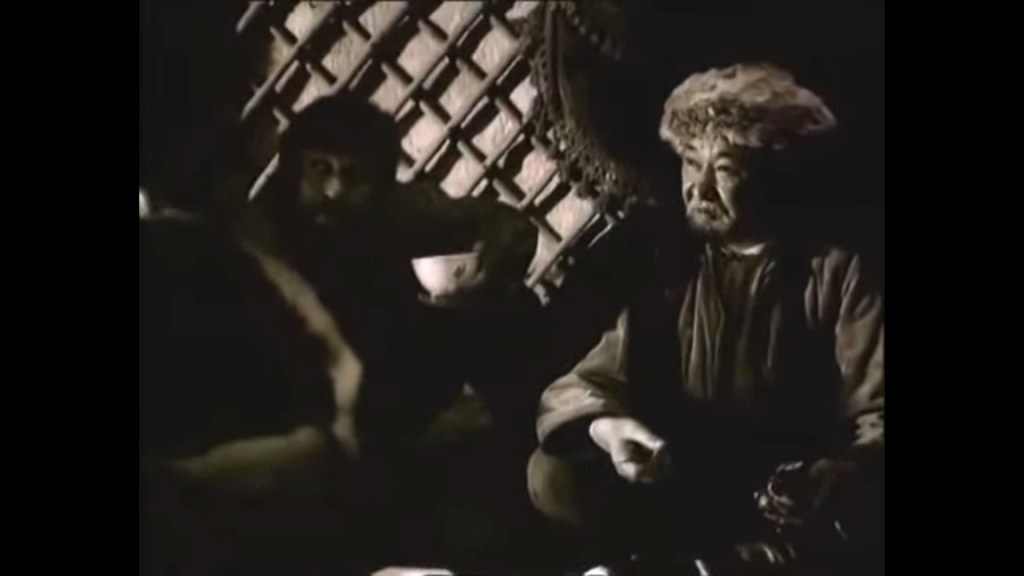
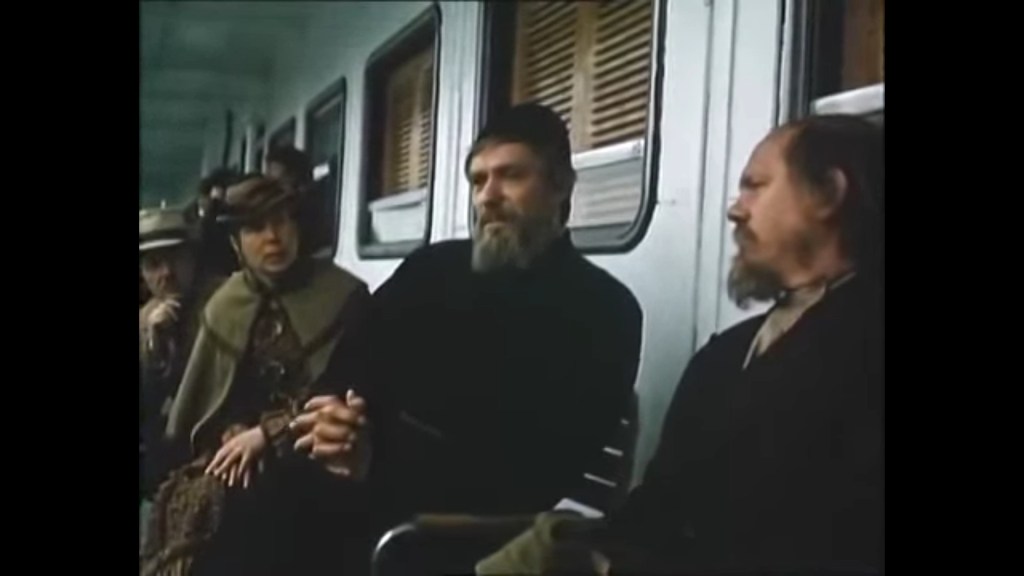
An enigmatic and philosophically enriched exploration of the hyperbolic odyssey experienced by Ivan, the protagonist. A group of people were animatedly, or perhaps confusedly, depending on the reader’s preference, discussing and chatting on board a transatlantic liner during their journey.
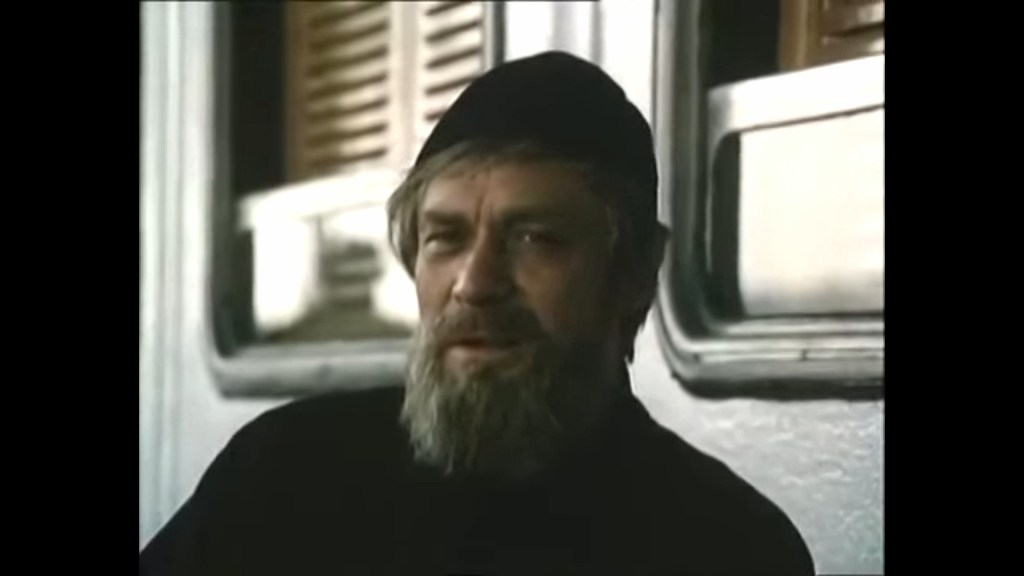
You know, if there are still people with a good soul, if evil exists, if there are no longer human times, a priest, or so he seemed, listened to them and, since no one dared to comment on the subject, Ivan told them about his own life. Ivan did not know as a young man that he was thirsty for experiences, the kind that cut short the path of life; hence his bewilderment at losing his father, who was driving the stagecoach in which he was travelling before the accident, and both fell into the chalky ravine, nearly dying. was less significant in his memory than the beating he gave a cat for eating some chicks when, 20 years later, he was working as a farm labourer but his employer, the countess, furious that her labourer had hurt her cat, ordered him to be whipped in the same stable where, according to him, he had learned the secret science of the language of horses.
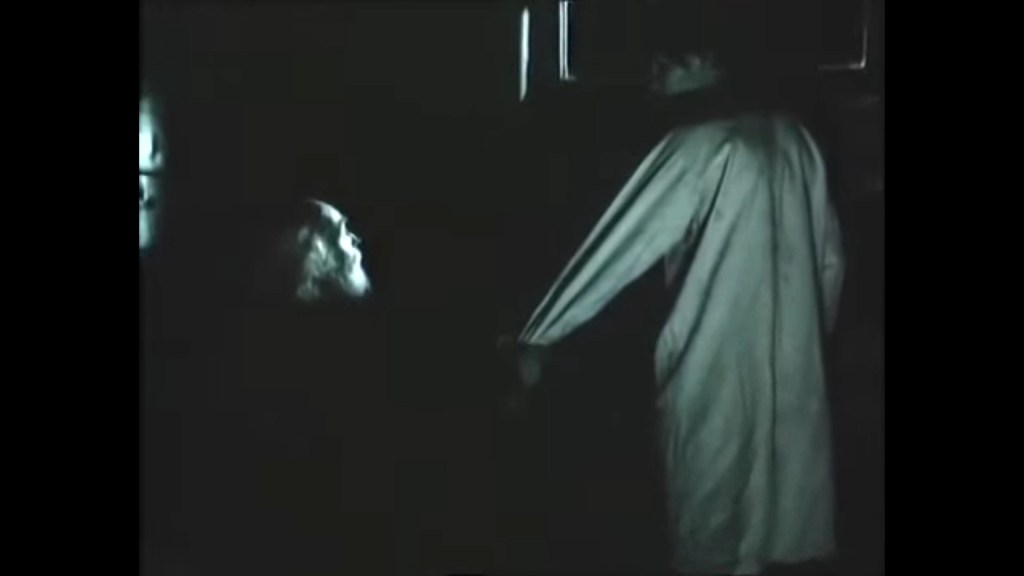
Escaping the lashes, he fled to the steppes and there, with his vast knowledge of horses, he learned that he knew nothing about them when he arrived at a corral in the middle of nowhere, in a sort of Tartar camp where they traded horses for sale or exchange.
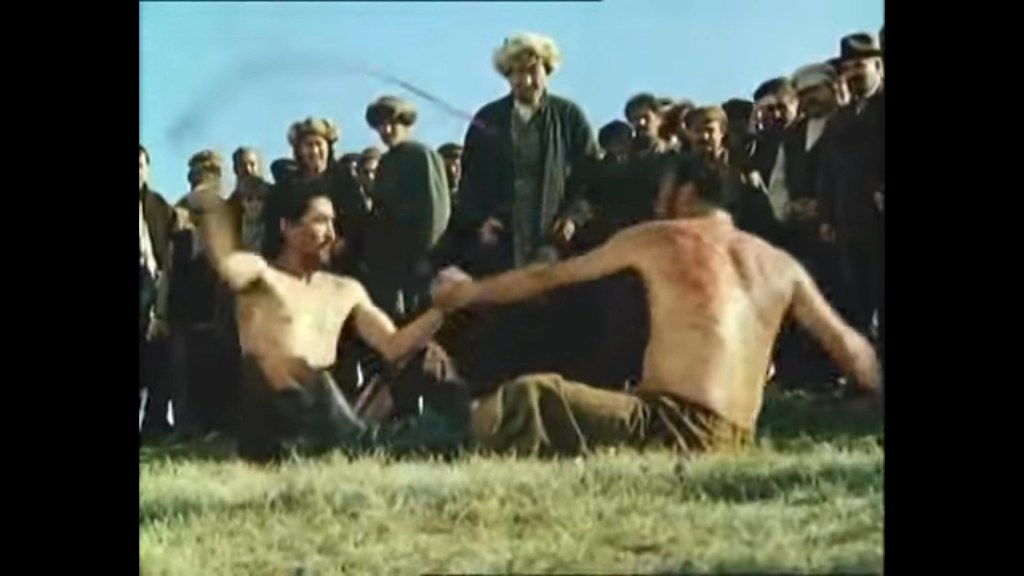
But there was also haggling, as in an auction, and so he was able to learn what a beautiful horse was worth, because two men, Chebkun Kobylits and his opponent, offered a sum, then another higher, one added his silk cloak, another stripped naked and added his daughter, until there was no choice but to resort to the custom of sitting in lotus position facing each other with a rope for both parties and taking turns whipping each other shirtless until the loser emerged bloodied or fainted and the horse belonged to the fair opponent. When it was Ivan’s turn, having learned from the previous ones, he asked His Excellency the prince to allow him to fight for the horse, and he won it at the cost of seeing his opponent die in front of him.
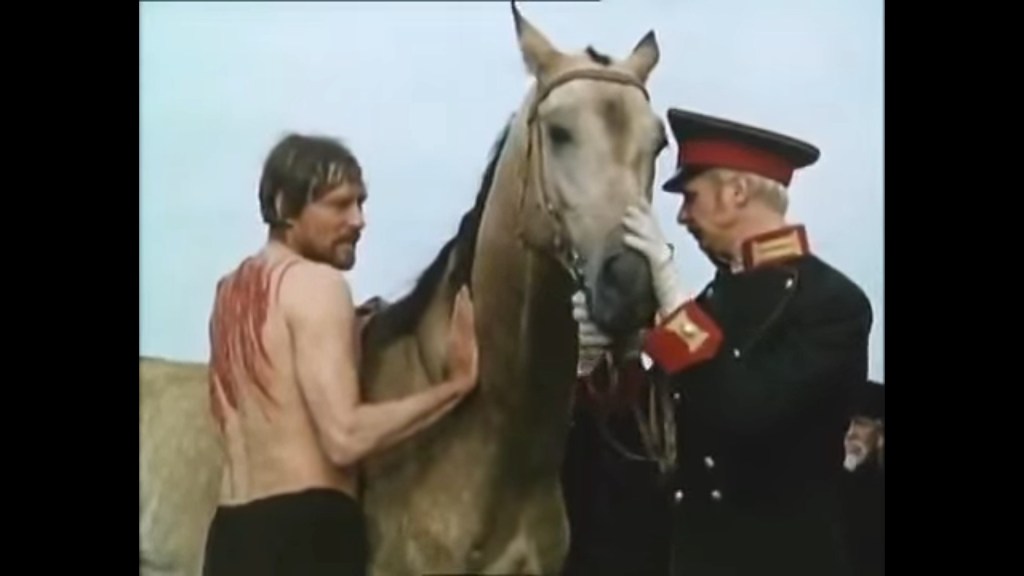
At night, he moved to his camp amid scenes from the film that are impossible to describe, and the others advised him to settle there, suggesting that he marry the widow of his opponent in the horse bet. Ivan did not agree, despite seeing the deceased’s beautiful children, but before he could leave in the morning, the Tartar chief would not allow him to leave. ‘We love you, we want you here, and we won’t let you go.’

They all held him down. Here, Ivan’s most shocking experience takes place, in a sequence where his captors, with calculated cruelty, inflict specific mutilation on him to prevent him from escaping. The Tartars explain with disturbing coldness: ‘We will cut off your heels and a little bit more’ and ‘We will stick some horse bristles there.’ This action represents not only physical torture but also a psychological strategy of absolute control by the clan. The purpose is clear when they declare: ‘And so that you don’t leave us, we will find something better for you.’ Eleven years, he says, was the length of his captivity with the Tartars. His Christian scepticism is natural after asking for help from itinerant priests who came to the steppe and ignored him, telling Ivan that he should have faith. Ivan’s spiritual crisis reaches its climax when he declares: “I don’t trust people. I don’t trust God. Only in myself.‘ This statement represents a moment of profound existential rupture, where the protagonist rejects both human solidarity and divine faith, leaving him reduced to radical loneliness.
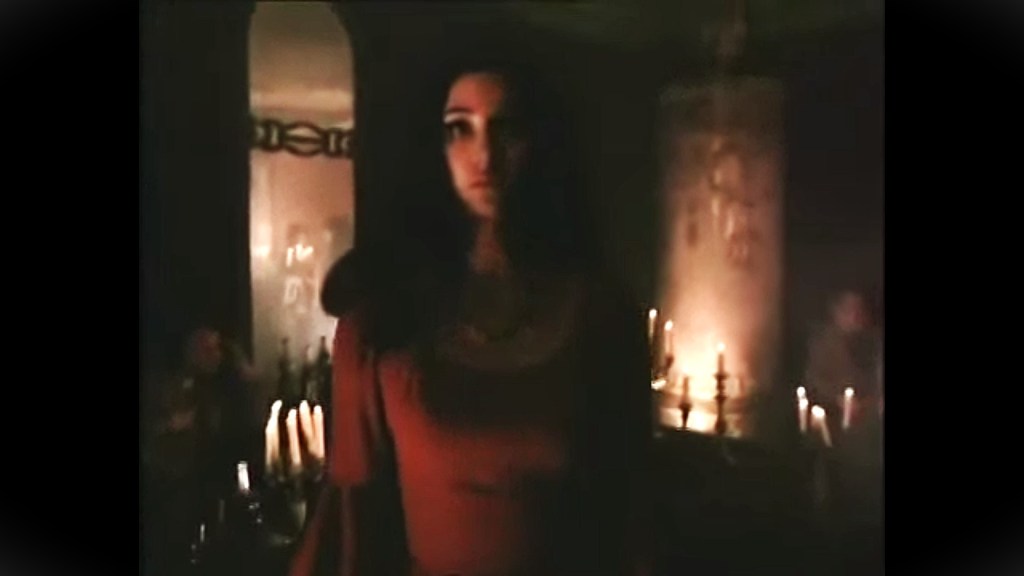
The repetition of ’I don’t trust” emphasises the totality of his disillusionment and the collapse of all traditional support systems. But before his next existential catastrophe, namely meeting Dido, or Grushenka, he is first almost assaulted in a tavern by the magnetiser, a charlatan who supposedly makes glass or crystal glasses in exchange for drinks. In a similar semi-dark setting, he encounters Dido, a beautiful singer who, as he himself claims, was entertaining other musicians at the tavern and with whom he will have a brief but torrid unrequited passion.
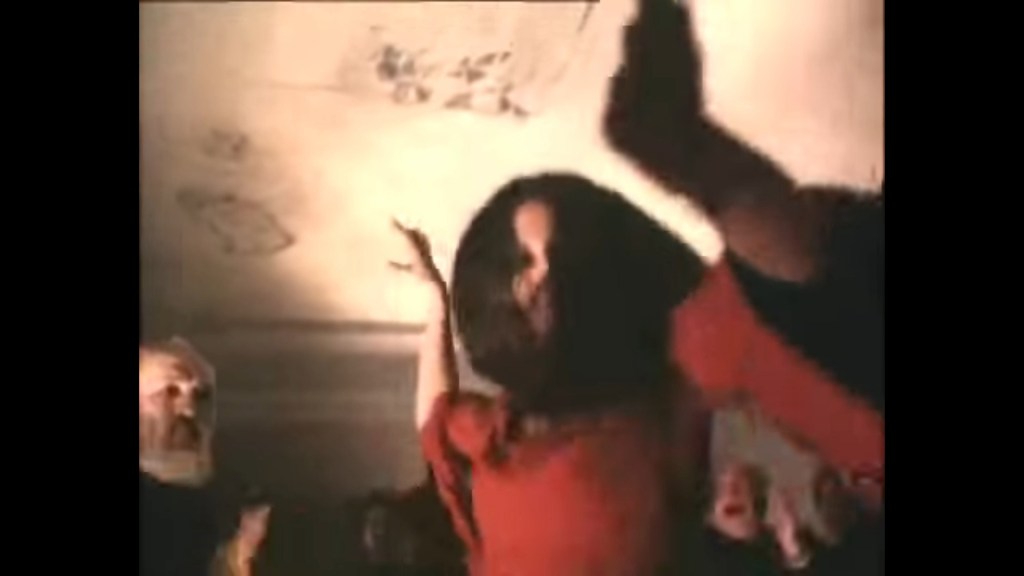
Ivan’s experience is also marked by an intense and destructive love affair with a woman named Dido, who is described as ‘exceptionally beautiful and intelligent.’ This relationship represents both a source of meaning and additional torment. The intensity of his feelings is expressed in absolute terms: ‘If I had mountains of gold, and rivers full of wine, I would give all my eyes for caresses, so that you would love me alone.’

Once again, his passionate exacerbation reveals how love becomes another form of captivity, where passion transcends reason and self-preservation. I would dare to say that the description of the physical effects of love adds another dimension to Ivan’s suffering: ‘My heart hurts’ and ‘I have no strength in my chest and no heartache’. These expressions suggest that love, far from being liberating, becomes another source of pain that complements his physical and spiritual suffering. His past of confinement, internal struggles related to faith, social exclusion and the longing for human relationships construct the image of a wounded but persevering man who is trying to find his place in a society that is alien to him. His statements, imbued with both anguish and defiance, together with the opinions of those around him, present a richly nuanced character, marked by the constant tension between believing and doubting, belonging and being isolated, loving and being left behind. The dialogues reveal a story marked by tragedy, where, despite adversity, the protagonist is sustained solely by his determination, facing whatever comes his way with an attitude that combines acceptance and rebellion.
 Pantagruel´s liquor
Leave a comment