
There are three stories: ‘папа, сложи!’ ‘завтраки 43года’ and ‘на полпути к луне.’ From the first story, the plot intersperses monologues of Seryozha’s reflections, the main actor. The sweet tone that sounds nostalgic gradually crystallises—though not obviously—into a song of resentment. It is no different in the second story, when the monologue is delivered by someone who encounters a former bully on a train journey. In fact, composer Georgy Firtich contributes to the humour of the forty-something Seryozha in the first story and to the solemnity of the crisis in the second, especially when he recalls how he was tied up and rolled in the snow as part of an initiation game. the score emphasises the perplexity and, incidentally, the causes of the stories’ message, recreating an atmosphere of subtle failure, or as a hint of impotence towards the immortal past, with a background in the film of life’s spices, when life shows us that it is passing and we have not been able to grasp the things that would have been worthwhile. папа, сложи! takes place in the middle of the road, as Dante Alighieri would say, for Seryozha. He wanders the streets with his friends, but everything is fine because it is Sunday; it is also the day to look after his daughter, and the little 7-year-old wants to go on the carousel. Seryozha is reminded of the football match against the Hungarians; yes, the Hungarians, brothers forced into communism, the overcast sky ‘you can’t show your true class on a wet pitch,’ he thinks. Gena arrives, dressed up in a jacket, different from them!

The two walk together and he looks back, playing soccer as a midfielder, and the music plays a variation of the same theme from the beginning, but with a trumpet and guitar riffs in a kind of scherzo. The boys in the pub, or is it a café? They argue allegorically about sports, about football, whether Kiev or Bashevets, whether Torpedos are better, or whether Minsk and the Zenith team have a better score, and finally they all agree that Bashaskin was a great player! Meanwhile, Sergeiy, in another monologue, repeats like a mantra, “football in summer, hockey in winter. What else is there? My wife, my family, of course, my wife has her own things to do, what do I have to do that is just mine?
He entered the pub with his daughter, but after promising to take her to the carousel after lemonade; Slavyk arrives, that is, VYatya, triumphant as always, and you can tell that Seryozha is annoyed by his joy; Vyatya greets everyone and talks about his work trip and exchange; ‘architectural flooring and millennial history,’ he repeats, “… Rossi, Rastrelli, Kazakov… Ionic columns, Doric columns…” He anticipates from the statistics that it will be a very bad game for the home team.
Seryozha quietly becomes enraged. ‘You don’t know anything. Well, I read something,’ replies Vyatya with a smile. Did you hear that? Read it! Before leaving, Vyatya whispers in Seryozha’s ear, ‘Take the girl away, this is no place for her.’ ‘Mind your own business,’ replies Seryozha bitterly. Meanwhile, his daughter plays with a crab snack at the fairground and her friends smile at her innocence. Perhaps nostalgic, probably disappointed, when everyone leaves, Seryozha promises to join them for the evening game. In the meantime, he takes the girl to the carousel and the scene is cute, but he can’t stop thinking about what his wife Alka and Vyatya have in common. Study hard, a PhD? He gets annoyed with the girl and shouts at her when he catches her playing with the crab at the fair: ‘Crabs aren’t toys, they’re for eating.’ The girl cries and cries.
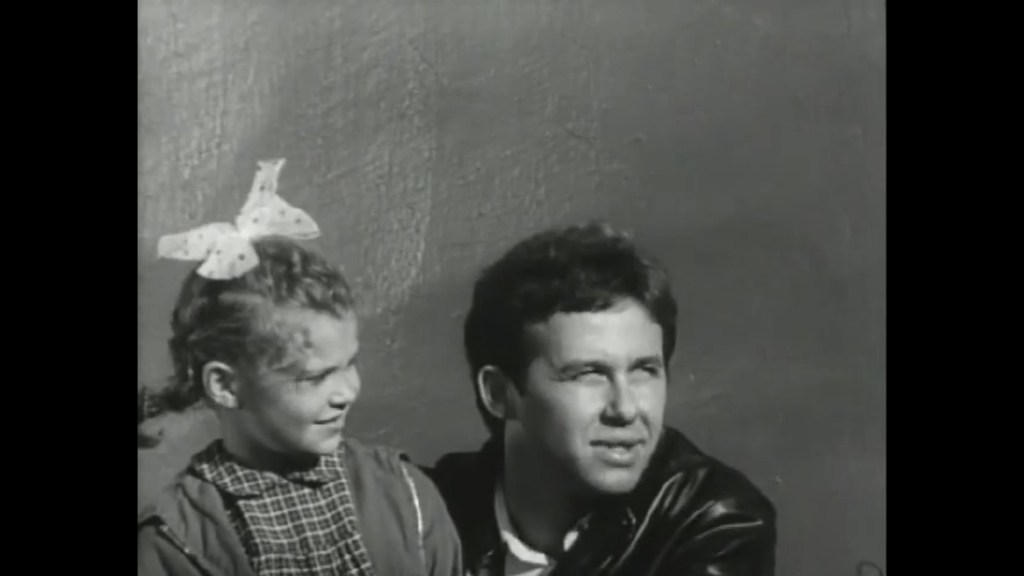
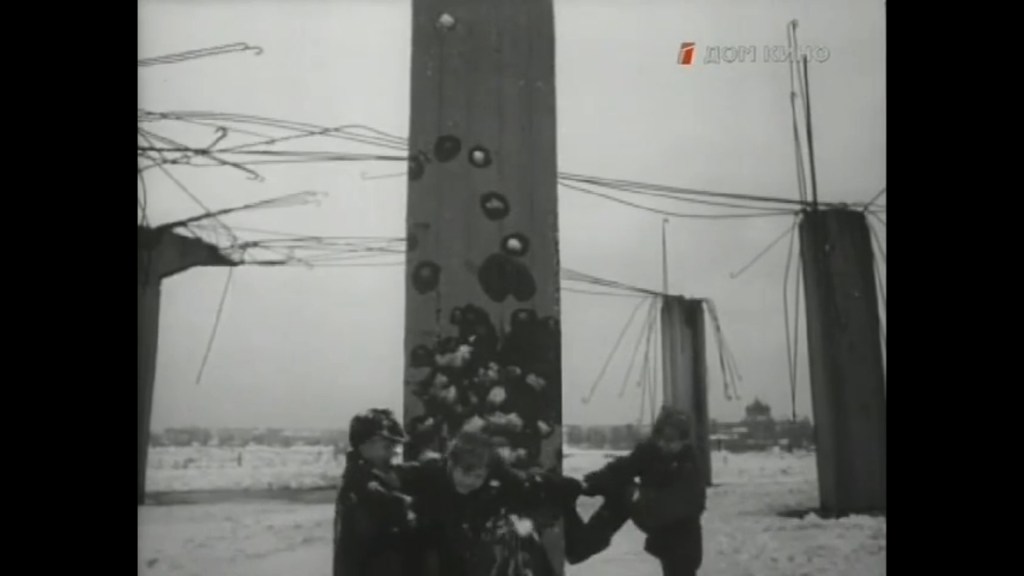
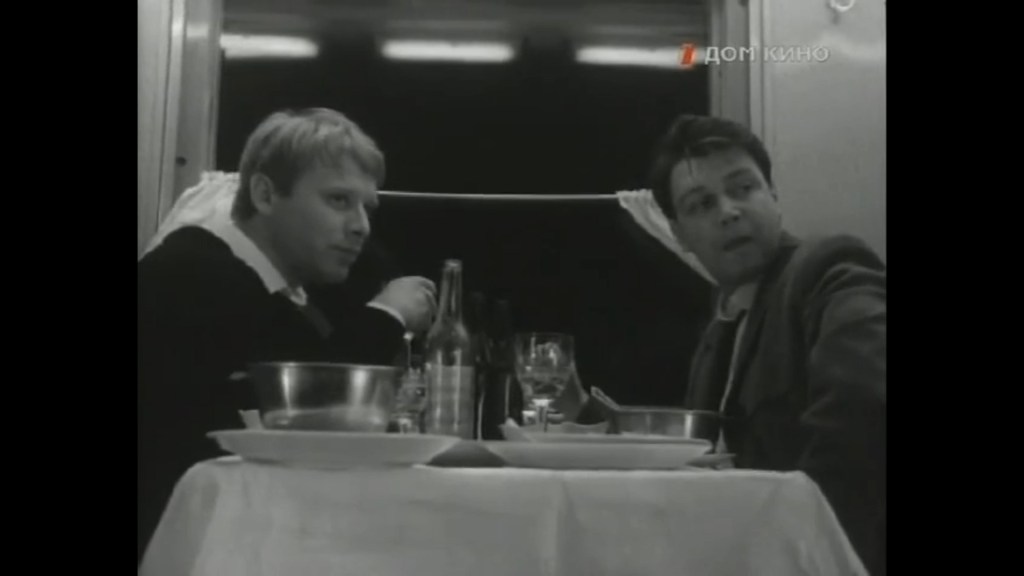
Seryozha looks angry because he doesn’t accept his present; he wants to go to the game, but his daughter asks him to go for a walk. He calms down and takes the girl to buy a turtle, which she names Natasha. In the second story, as I said, doubt is sown. Has he remembered that thug who manipulated others to make them feel as if they didn’t exist? Or is he just hallucinating? The protagonist invites the stranger, who seems to pretend not to recognise him or to be someone else, to dinner at the train restaurant. Again, as in the previous story, the protagonist remembers when they took his freshly baked buns away from him at the reformatory or school. ‘All I wanted was to take my buns home,’ but they always hurt him and beat him. The last straw comes when he can no longer hide his resentment based on the past, but the man in front of him tells him that he is not who he thinks he is, that he is not Mironov, and that his name is Nikolai Veretinikov. He smiles and asks the waiter to take the foreigner from the nearby table who is provoking him and who appears to be from the Sierra Maestra. This is a clear example of intelligence in storytelling, piquing curiosity by not offering a conclusion to the story and leaving open the possibility that neither real freedom nor redemption will be achieved.
 Pantagruel´s liquor
Leave a comment