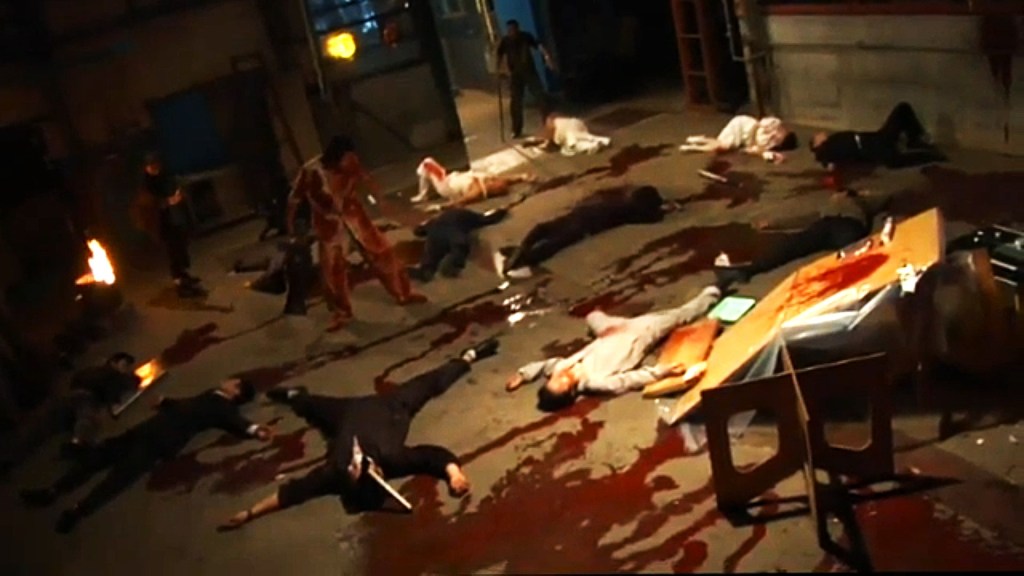
A rowdy work that, even with certain slow passages, delivers powerful bursts of adrenaline. In fact, it reminds me of the sarcastic lyrics in Yasutaka Tsutsui’s perverse stories. Disguised as a funeral director for years, former yakuza Kijima Goroku seems to have reached the height of hypocrisy—after his years of violence—by making a living from the funeral business and offering discounts on coffin sets to the henchmen of one of his old arch-enemies. Indeed, things were running with unhealthy monotony until his assistant in the business detected the strange movements of Kumanohara, the crook with whom Kijima fought a deadly duel with a gun and almost died because the cheater wore a bulletproof vest.
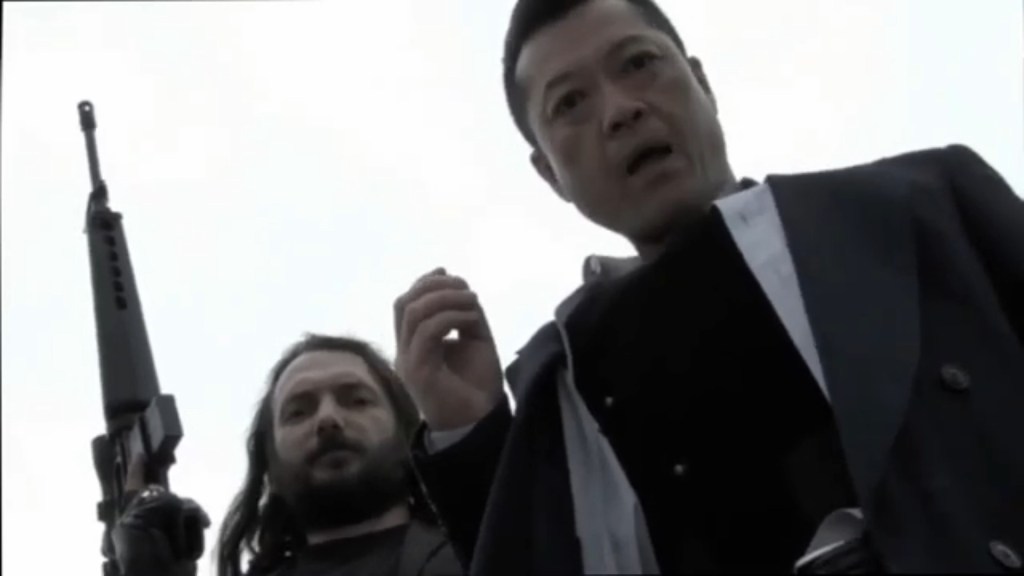
With a superb narrative thread in medias res, we soon understand the beating his partner is receiving as the plot jumps back and forth between the bloody present and the not-so-distant past. The beating is at the hands of a French-speaking hitman who shows him his drawings, like a child to his father.
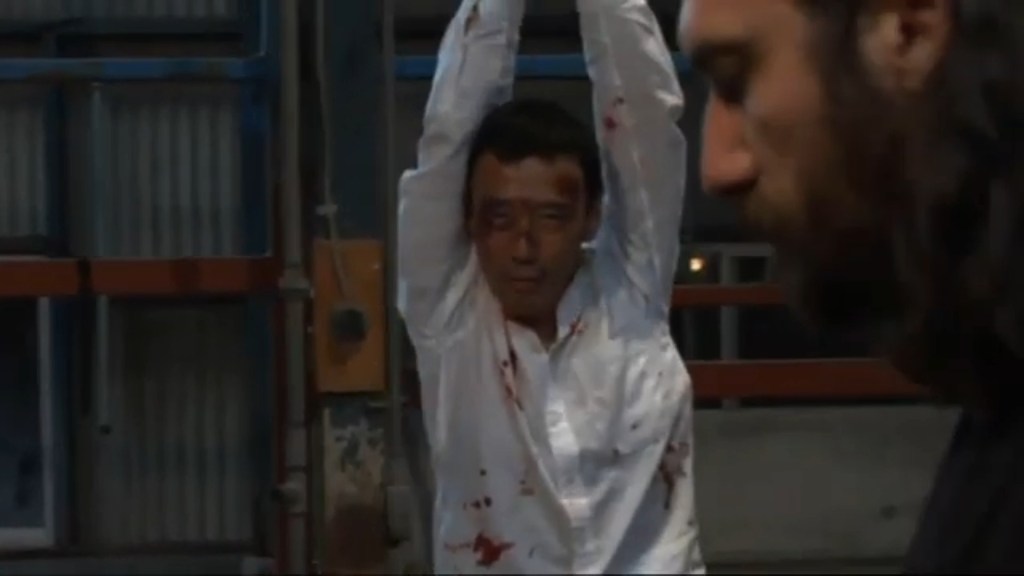
They talk about Parca de los Oni, or Japanese demons, and he even puts a cigarette in the mouth of the bloodied victim while the young man, tied up and hanging in the warehouse, is perplexed by the cocktail of disorders of Kumanohara’s hitman and gunman. He tells him that in his spare time he is not a gunman but a priest and that he abuses children if he can. He even puts on a mini theatrical performance for his martyred victim, showing his masturbatory urges by masturbating in front of him, LOL! Kijima was no less bored. He finally manages to come face to face with the despicable Kumanohara, who has just finished eating something and is stained with those plastic and sophisticated ideas between measured arrogance and ego pedagogy. This thug explains to Kijima about the active ingredient in hot chilli, capsicum annuum, capsaicin, and gives a lecture on how deadly it is to drink four cups of Tabasco sauce and sodium chloride or salt. Death? Laughter? He reminds Kijima that he lost years ago and admits that he thought he was dead.
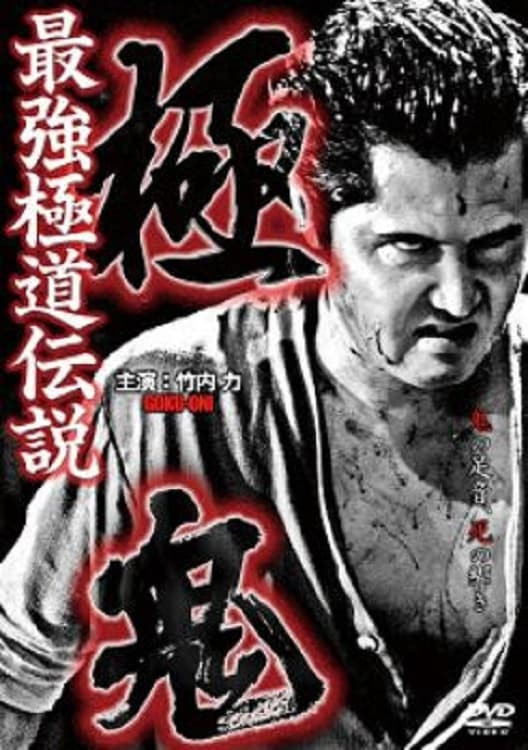
‘A loser must be a loser, keep his tail between his legs and take care of Buddha.’ This time there is no violence, and later, his partner tracks down Gonda’s lover or boyfriend, the one who shot him in an entranceway, shooting Kumanohara like a madman. He follows the boyfriend to the apartment in Hamachi, but when they both burst into the apartment, the ex-yakuza funeral home owner and his partner, Gonda and his companion, are killed by sniper fire from afar, and as they try to escape, Kijima, the funeral home president, is hit and falls. We won’t know anything more about him. Is he dead?
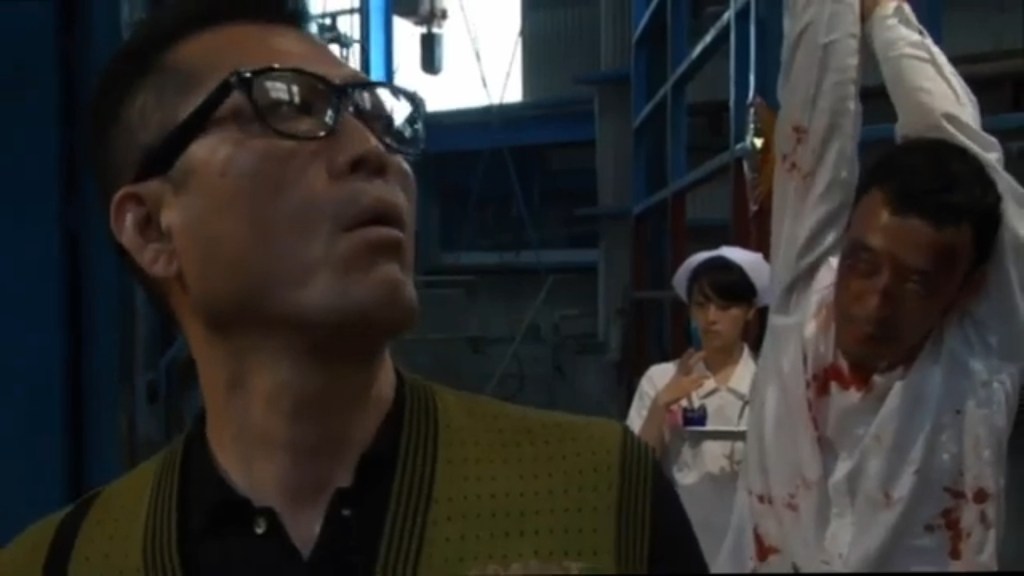
Until the present day, with his companion bruised and hanging, his luck takes a turn for the worse when Kumanohara arrives demanding what the viewer now knows: the body of his worst enemy, Kijima. He says he wants to see his head and his eyes and wants to see him dead this time, especially after the time he failed to kill him with a shot and, upon returning from Sekkaido, encountered a Gokuki—a demon from the underworld who cannot die—and, after rambling on about his autobiographical nonsense, attacks the boy and victim, urging him to say where the body is. and then, as is his twisted custom, he set out to explain the unbearable verbiage about the 18 portions of human liver he hoped to obtain from his enemies, fried with spring onions, costing 11,700 yuan. He would have continued to amuse himself with the baseball bat, had it not been for the fact that his luck ran out when Goku-Oni arrived, smashing heads, and it was his enemy’s turn. This time, no one could save the little man. A good ending.

 Pantagruel´s liquor
Leave a comment