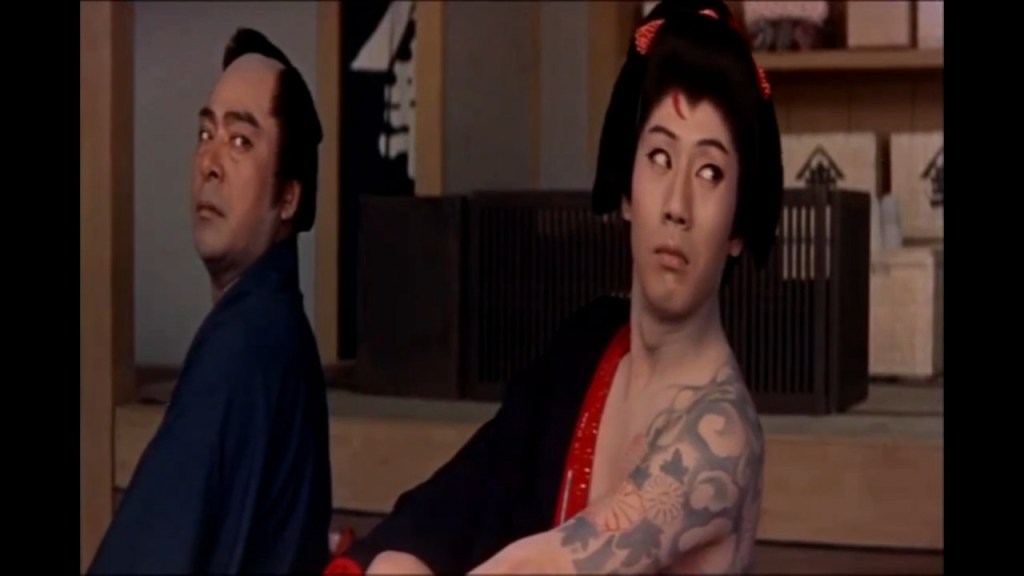
A thief who steals from a thief is forgiven for a hundred years, as the Latin saying goes. The disguise of the rogue Benten pays off because, like all antiheroes, at least at the beginning of his legend, he has emerged unscathed from the mansion of the retired nobleman worth 328,000 koku and has taken not only his gold but also his sex toy, Ohantan (Aoyama). He unmasked the other band of rogues that Nossuke had prepared as false priests, betrayed by their poorly fitting wigs. It was not out of kindness that Benten (Kikunosuke) freed the wealthy old man’s former maid. He took her away for his own personal enjoyment and had even grabbed her by the neck to rape her when Ohan cried out for her mother. The thief took pity on her, set her free and even threw her some gold, saying, ‘Give this to your father,’ referring to Ohan’s father’s long illness, which was why she had started working. This is an adaptation of the kabuki play ‘Shiranami Gonin Otoko,’ and its dramatic impact becomes clearer from minute 32 onwards, when Benten tries to leave Ohan behind, who could have been the victim of an assault, and she cries like a baby when she sees him leave.
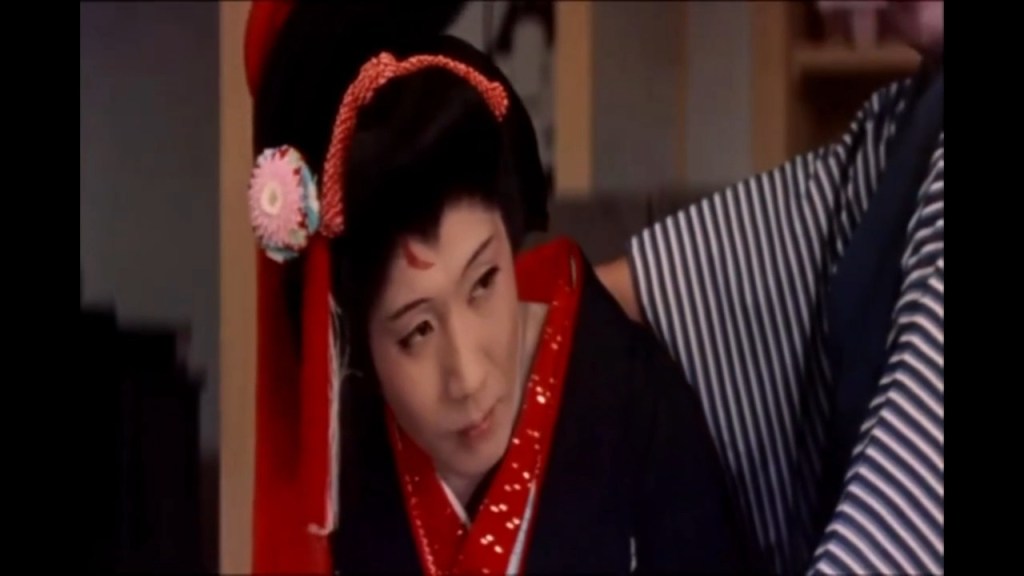
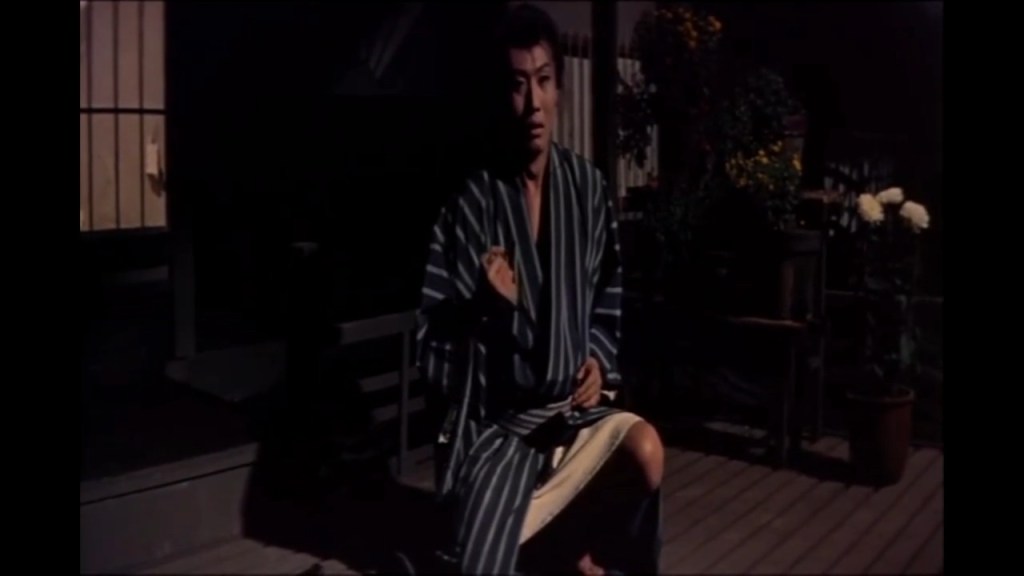
The rogue shows his confusion or moral dilemma in the dead of night and makes her see that she should not love him: ‘Stealing and cheating are not minor crimes. I know I shouldn’t even try to lay a finger on a virgin like you.’ In the final act, the gang of scoundrels is almost caught in the act of satisfying their appetite for fraud with the daughter of the wealthy Hamamatsuya.

This is the crux of the matter: the good-natured villain Benten and his small gang have made enemies of all the wealthy lords who have made their fortunes through corruption and theft, to the detriment of the impoverished peasants and lower classes. There is tension in the final confrontation.
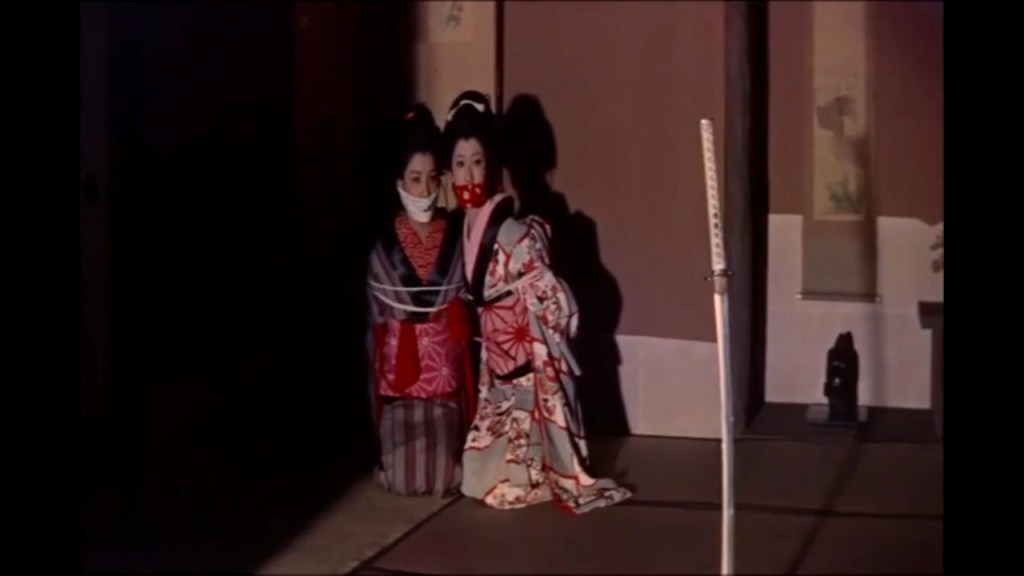
Benten throws down all the pamphlets published exposing the truth about his enemies’ theft and trickery. Unfortunately, as is the case today, even magistrates and other powerful figures are also involved in the misrule, such as Umezawa Tokina, and ‘not even Toyama has the authority to judge magistrates, lords and Hatamoto’.
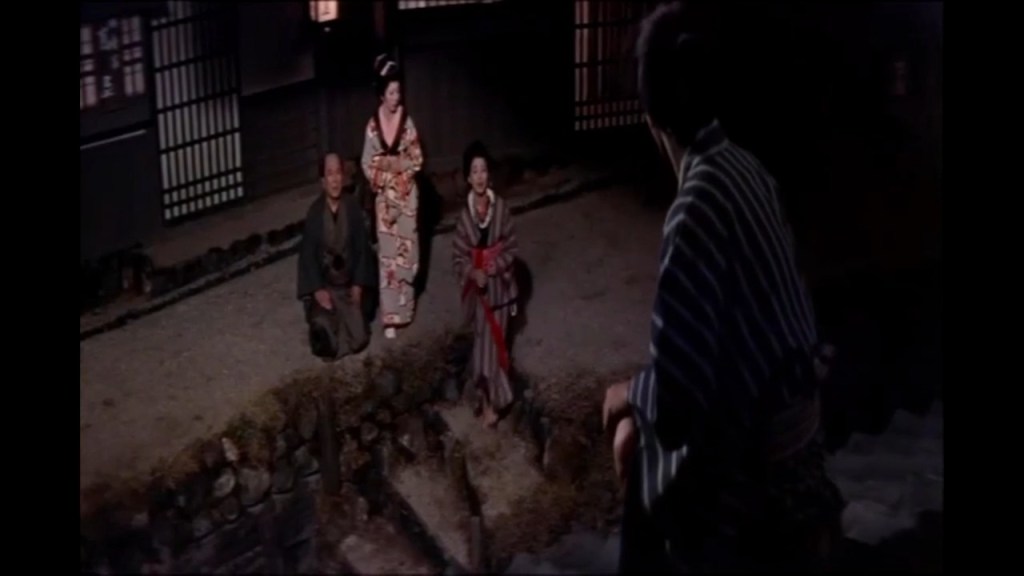
The authority represented by Kin-san was present at the discussion between the rogue and Hatamoto and is categorical: neither Hatamoto nor anyone else will harm the farmers of Edo, but ‘nor will he allow the worms – like Benten – who writhe in the darkness to continue operating in the shadows’ (1:11:35).
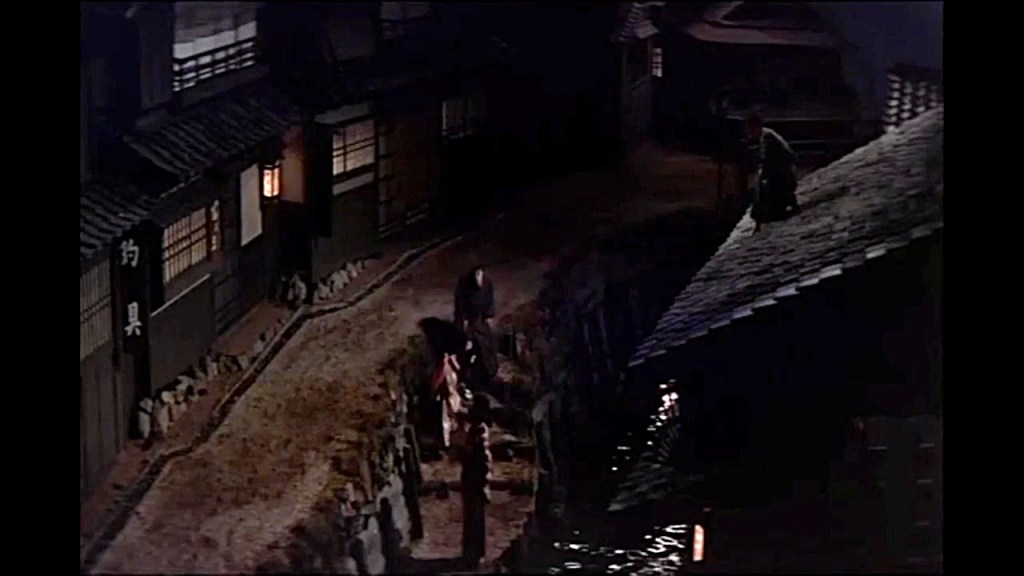
This is the tragic ending befitting all popular heroes who confront power: they either die betrayed or, like Benten, are cornered by the mistakes or crimes they committed in pursuit of their whirlwind of justice. On the ledge of the building, as the forces of ‘justice’ swarm around him to arrest or lynch him, Benten has time to slash the two thugs with his katana, and then he has just enough time to say goodbye to both women and Hamamatsuya before committing seppuku.
 Pantagruel´s liquor
Leave a comment