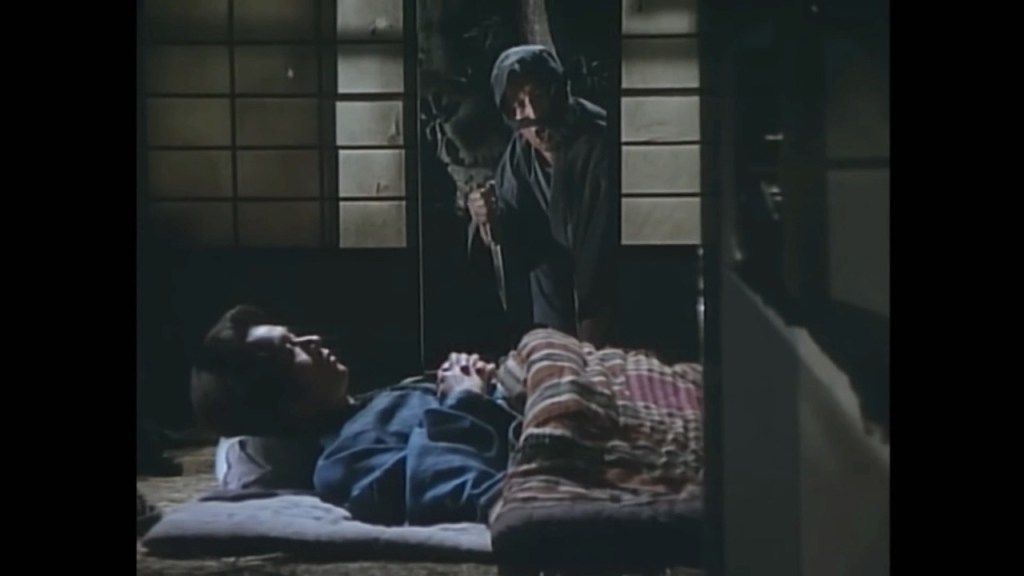
Kunie Tanaka is simply beautiful, you just want to hug him! Immortal encounters are born this way, by accident and without intentions or expectations. The moment may have been brief, but it will never fade from the hearts of both characters. Although it may seem corny, for many others this story is full of a spontaneous and sweet charm that doesn’t force the script or the performances; I died laughing at the squeamish thief Denkuro, who almost broke his leg and nearly cracked his skull in the attempt to do his job, which was to sneak into the ramshackle hut—he calls it a mansion, perhaps rhetorically—and steal something. Sliding to steal from the ramshackle hut—he calls it a mansion, perhaps rhetorically—the rogue is now falling into a hole, now stumbling over pieces of architrave and wood from the threshold, and meanwhile, the young guest collapsed on the tatami mat, Nebu is hardly interested in who has entered the place on a night when he has escaped death in the palace due to the palace intrigues of his two brothers, and has dismissed a bunch of useless bodyguards who did nothing more than lead him into ostracism.
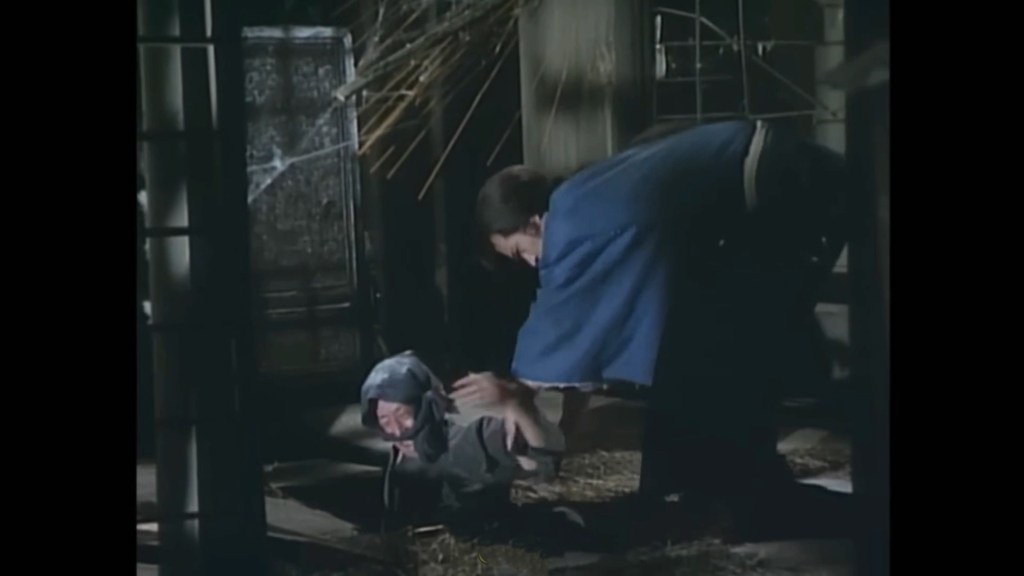
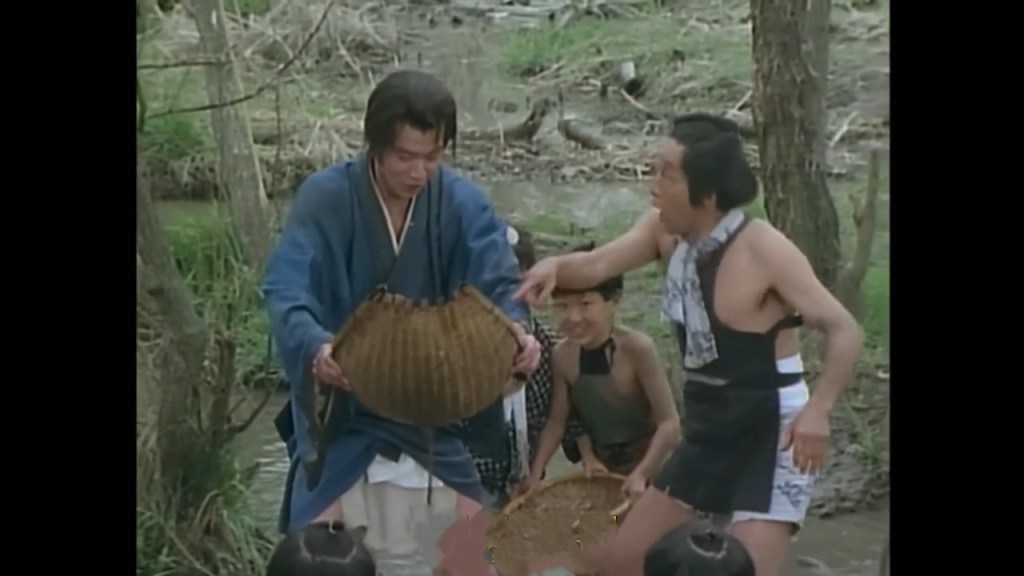
Nebu doesn’t even open an eye when the bandit, wrapped like a scrawny ninja, wanders around the place and pretends to draw the samurai sword on the table, but finally doesn’t touch it. Nebu is a kid who, a few hours earlier, went to bed determined to starve himself to death and “give up everything,” says the narrator of Yamamoto’s novel, from which this film was adapted. In fact, the young man in his twenties is not the owner of the hovel, as I already mentioned, and he does not know it, but he will be affected by the relationship with the visitor, a friend of what does not belong to him, who threatens to call his gang that backs him up in the robbery. Call them, says Nebu without batting an eyelid and unconcerned, not so much skeptical of the bandit. In the end, both will starve to death, and Denku will cook misu for him, and the next day and the day after, he will be his talkative companion, while the young man remains silent and sometimes responds more perplexed than communicative. Throughout the brief period of their shared history, which is the brief period of the plot, Denku will hear that Nebu doesn’t even remember his father and will take him to the Riviera to fish for dojo, and so, with other children swarming around, they will make dojo soup, “the best dinner I’ve ever had,” says the boy of high birth. Unbeknownst to Denku, and to the viewer, one fine afternoon Nebu is the one who cooks and does not allow Denku to help. Even sake is served, and Denku falls asleep under the intoxicating effects of the good food and drink. When he woke up, lying on his side, without turning around, he barely heard Nebu leaving. Nebu had received a visit from an informant from the palace, and his time had come to return to claim his place as heir to the Umezu clan.
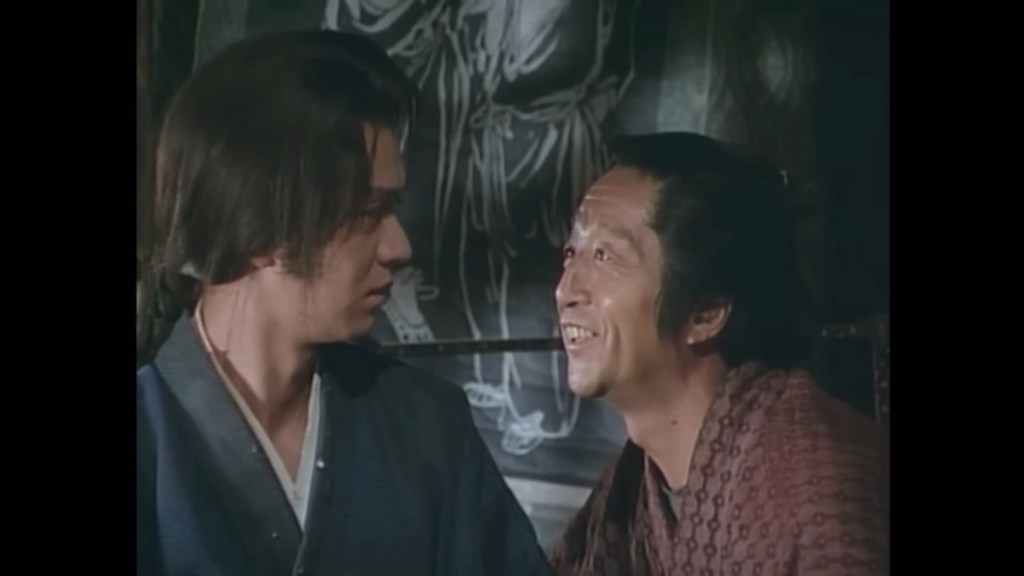
Denku, seemingly not wanting to look, did not even dare to turn on his side as he sobbed. Nebu is one of those young samurai who, despite his youth, knew how to wait for his destiny, but his destiny had already arrived, and the indelible mark of the humble thief, the proud thief, will surely always accompany him. “You cannot survive as a thief with a human being by your side,” Denku said to the young samurai in the novel. Now we understand why.
 Pantagruel´s liquor
Leave a comment