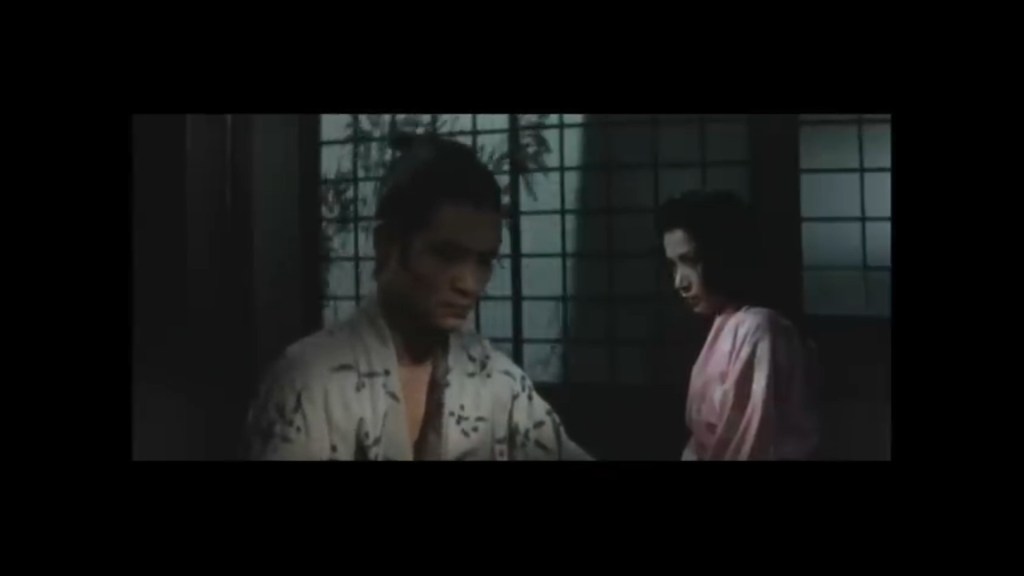
Sometimes I Cogito, ergo what seemed terrible to me here, even if it was fictional, takes on a monstrous magnitude. This is one of the cruelest examples of family genocide from the Japanese feudal period that I am personally aware of. It is true that it is not motivated by racial purity, as in the case of the Nazis in the 20th century, but by political reasons, yet it is no less disturbing, and it makes sense that the 40 years that Professor Kenzan’s relatives are kept in confinement is not a random number. At 40, their entire reproductive life will have been ruined, and so being released at that age serves as a strategic cleansing. The crux of this heartbreaking film is, the always inhospitable destination for En, and on the other hand, the psychological consequences for the “untouchables.” For example, one of the brothers, Kinroku-den, was gradually separated from the rest of the family because he literally threw himself at another sister to satisfy his sexual instincts. Imprisoned within his enormous enclosure, which is also a prison, after certain traumatic events, we can see that this appetite or repression that the punished man was unwilling to hide was also shared by his sister Teichiro-dono, who was discovered sneaking into Sadashirou’s cell. I imagine that she was simply trying to prevent the dementia caused by so many years of confinement from spreading like leprosy or a fungal disease, but as I said, it was in vain.

Sadashiro desperately rebukes his brother Sensei Kino-dono and questions him about the point of studying. Kino-dono has been locked up for 30 years and for at least 15 years he has been encouraging everyone not to give up and to distract themselves by “studying” there in confinement. In contrast, Sadahiro’s tone towards the “outcast” Jie Kinrokuden, locked behind metal bars, is one of pain, as if waiting for the outcast to respond and confirm that yes, indeed, they are still human despite the animalistic urges that emerge from all of them, with less and less control. Happy about the arrival of Mr. Tani-dono, they were deluded into believing that it was never necessary to drink the kutotsuga poison for that rash suicide they had once assumed. “Instead of the sutra, I am passing on my message,” writes En before leaving for Asakura, believing that, based on a clean slate, his phrase “the Takushis will live a new life” should be understood when he threw all the documents of the inheritance passed down by the Nonaka family into the fire. She couldn’t have been more excited upon arriving in Asakura, thrilled to meet Professor Tani Kamiyama, from whom she at least hoped to hear her name, “En,” spoken in his manly voice. But not only her 44 years of age and all the fertile years of her youth wasted, but also the tradition of this feudal era were against her, as teachers had strict restrictions on communication: “Correspondence with other lords is only allowed once a year. Or twice. This is also a coffin for the academic world.” The apprentice teacher Otoko Nana (“Man Seven” from the two kanji characters) acted as an intermediary for the letters. However, this exchange would facilitate the deception of the teacher who was interested in her, but from an academic perspective because of her lineage as the daughter of Kenzan sensei, and not as En herself assumed, as a woman. The disillusionment in front of the distorted mirror will be atrocious. The aberration of the canonical family positions, since En and her brothers questioned during their confinement that “we are no longer men” and then “a moldy wasteland has grown between us, brothers,” shows that captivity and, with it, collective madness had eroded the moral and social barriers that would normally prevent such relationships.
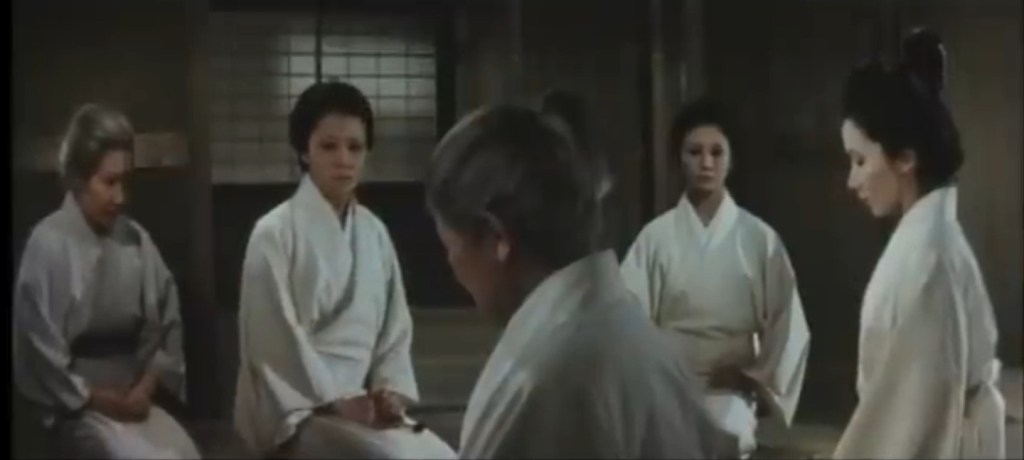
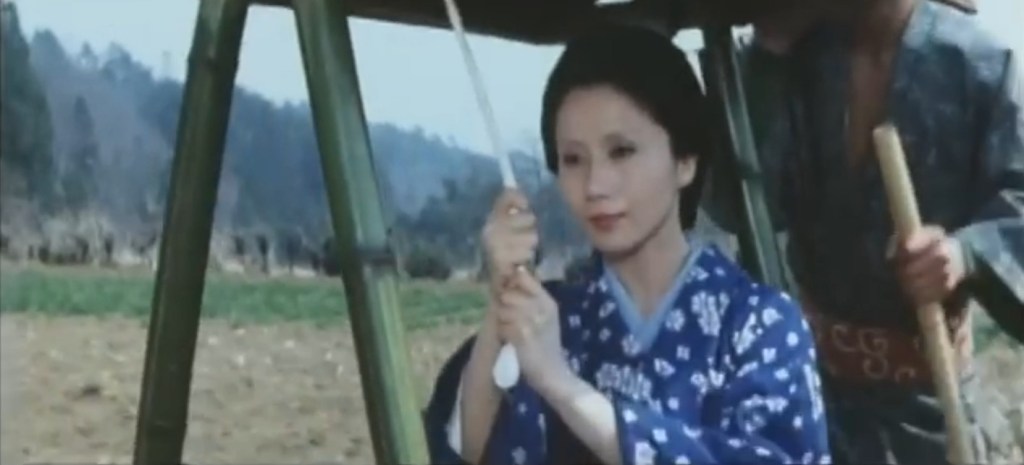
The family had reached a point where conventional notions of kinship had lost their meaning. In short, the cruel confinement led to this final aspect in which En is taken as a “wife” by her father, as this responds to a desperate logic of survival of the lineage. With the death of all the men, including “Shoshichiden,” “Kinrokuden,” and “Shiro-dono,” and seeing that she has lost her last hope in Master Tani Kamiyama, whom she finally meets in a place after returning from Edo, she openly asks him to have a child with her, but Master Tani refuses because he already has a family. However, in an unexpected turn of events, some time later, when Tani is imprisoned by the authorities, En rejects marriage to continue the same stagnant culture that held her captive for so long. She refuses to marry and, escorted by Ottoko Nana, sets off to join the captive teacher she loves, who did not return her feelings the last time they saw each other. She will accompany him, not even knowing what her fate will be.
 Pantagruel´s liquor
Leave a comment