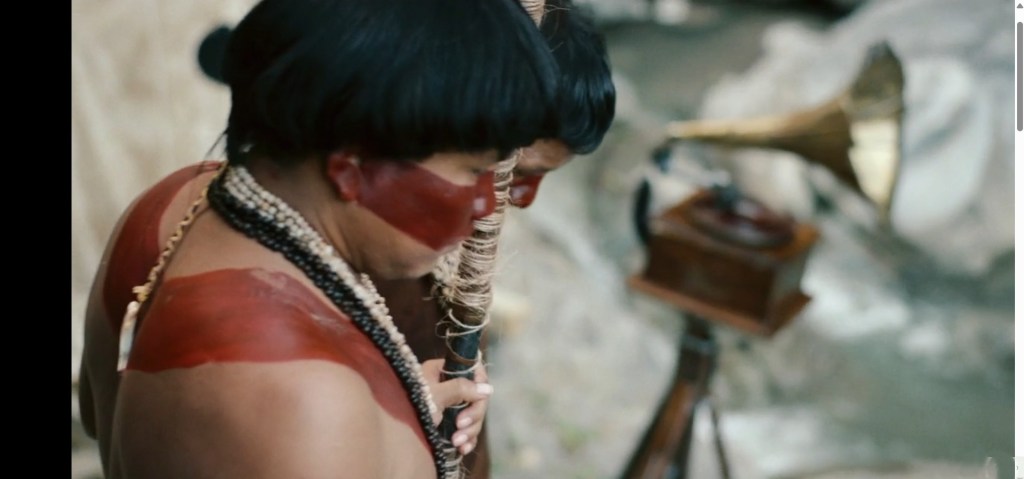
Obviously, the title does not refer to a criticism of the Asháninka people—appropriated by Stathoulopoulos—against Kinski, but rather a denunciation of the exclusionary and unfortunately ethnocentric social imaginary that, as a lesser evil, legitimises Western cinema when working in these inhospitable regions. More specifically, and hence the title, it refers to the rumours that circulated about the Machiguenga chief’s intentions to kill the evil ‘yellow man’ on the spot, not only because of Kinski’s documented tantrums over his lukewarm coffee while local jungle collaborators faced real risks of death from the wild ecosystem.
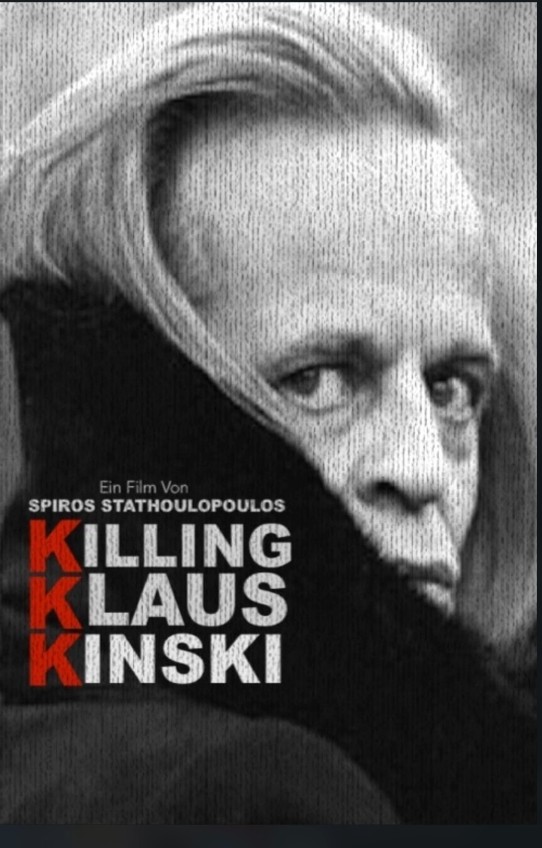
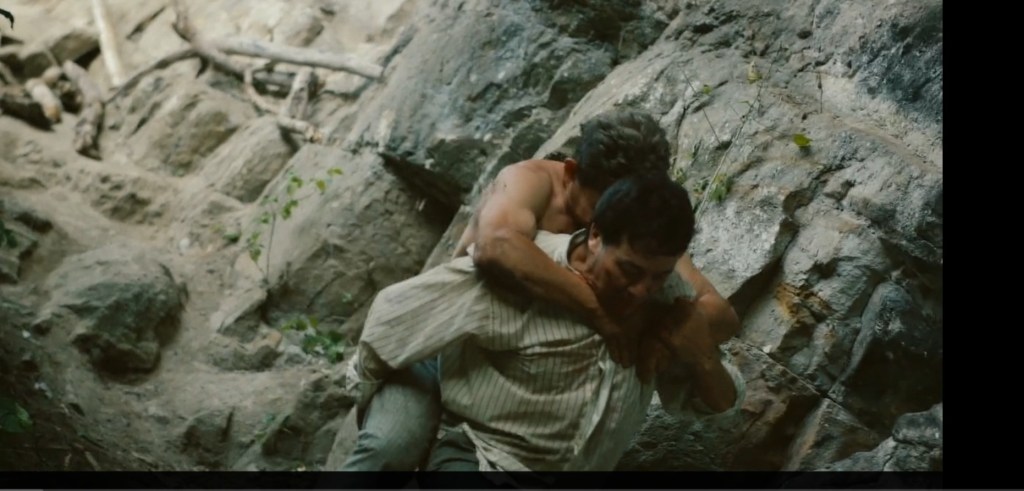
Stathoulopoulos recovers the legend behind this specific and acclaimed film to dramatise those days of filming, but reversing the order of importance that the film set would imply. That is, he emphasises the insects, the poisonous snakes, the tears or probable falls from the steep sites that had to be prepared and, from the top of a promontory or slight hill, observes the tantrums of the actor Kinski who, in stark contrast to the indigenous people of the community, not only earns millions for each day in a habitat he does not know, but also has insurance to cover injury or death, and violently confronts the director over trivial matters in order to recreate a Westernised vision of the place for the purposes of the story. ‘Herzog said that this place is full of erotic elements. I don’t see much eroticism here, just obscenity and violence in nature… the only thing missing is a dinosaur,’ says the director.
 Pantagruel´s liquor
Leave a comment