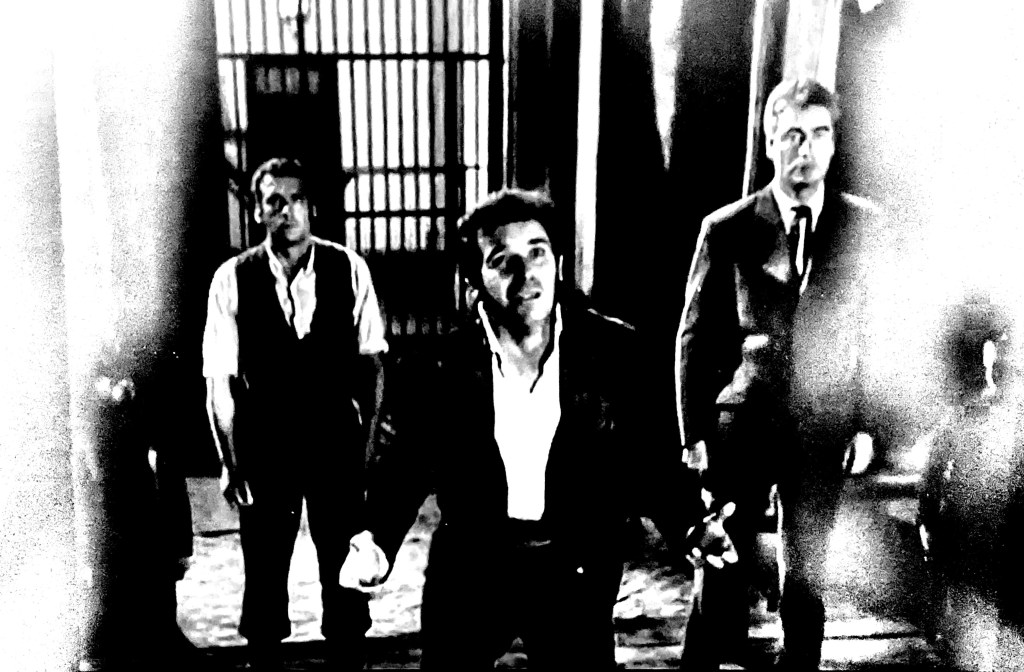
Ah, these little acts of revenge born out of a need for justice. Andrés Ruiz, who killed the foreman in the mine, was saved by the aristocratic Pedro, his childhood friend who had recommended him for the job. Later, both were saved in the mountains by Juan Cuencas, the Andalusian Civil Guard bandit who was unaware that he was seeking absolution and who enjoyed his heroic deed so much that, hours after getting involved, he returned the stolen goods to the two fugitives in their cave hideout. But that’s not all. Infected by an unquestionable but unconfessed desire for redemption, he agreed to go down to the village to look for the father of Mary, the fiancée of Pedro Guzmán, the judge who could save them or mitigate their bloody impertinence.
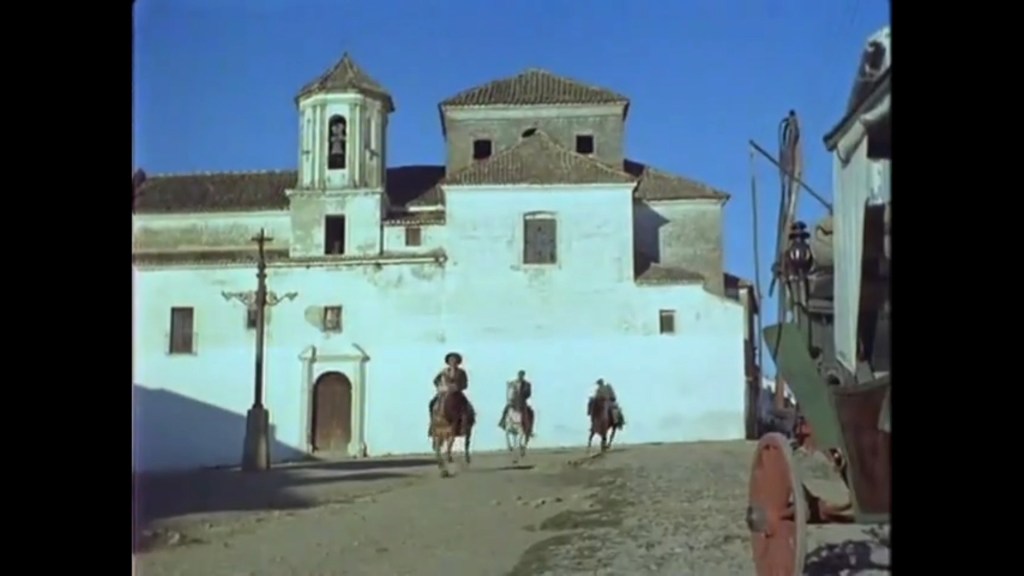
Things rarely happen as planned, and this was no exception. Ramón, the father of Cuencua’s wife, who was murdered by Cuenca for her infidelity with his best friend, blocks his way out, and we already know what will happen. The justice I referred to has to do with the deplorable conditions of the Andalusian workers and, at the same time, the granting of a deposit and its exploitation to foreign companies.

The drama in which the engineer Pedro unwittingly finds himself begins with the death of John Parry, a foreigner who, like everyone else, was hated even by the mine foremen, who joined the rioters and blocked the entrance with dynamite.
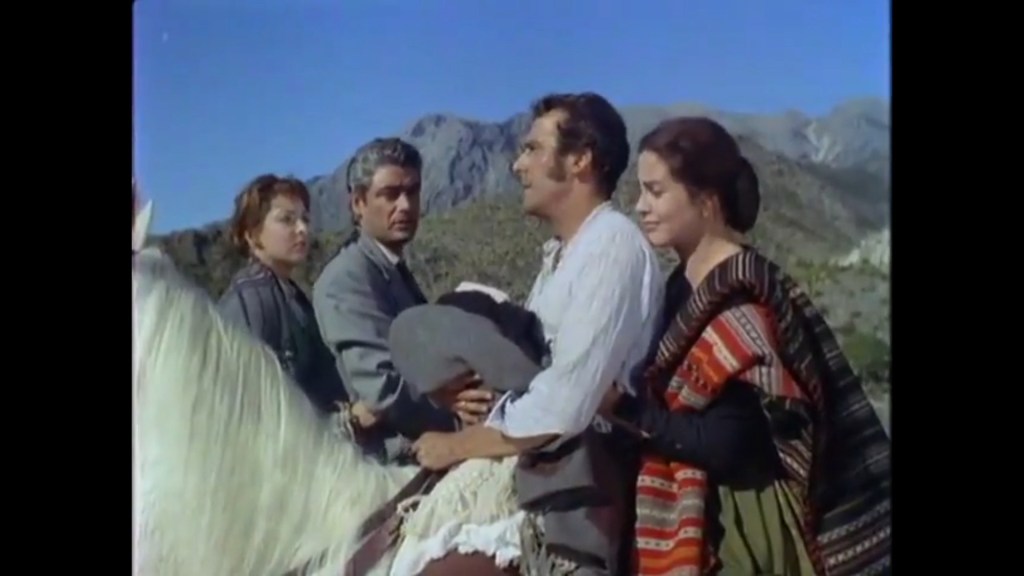
The rush and the desire for freedom spread just when they have lost all legal power to defend themselves for having killed someone. Juan continues to accompany them and share the hardships of both Pedro, who is trying to save himself, and Andrés, who is caring for his wife in the cold of the mountains and searching everywhere for a doctor for their newborn baby. When the villain Cuenca takes Andrés’ baby in his hands for a few seconds, it is a strange scene that perfectly illustrates the perplexity of a bandit who appears to have lost all feeling. Their last hope was to escape on a ship bound for Holland, from where they could flee to America, but on the way, just before boarding, they are intercepted on the beach by the Civil Guard, including the renegade Juan Cuenca.
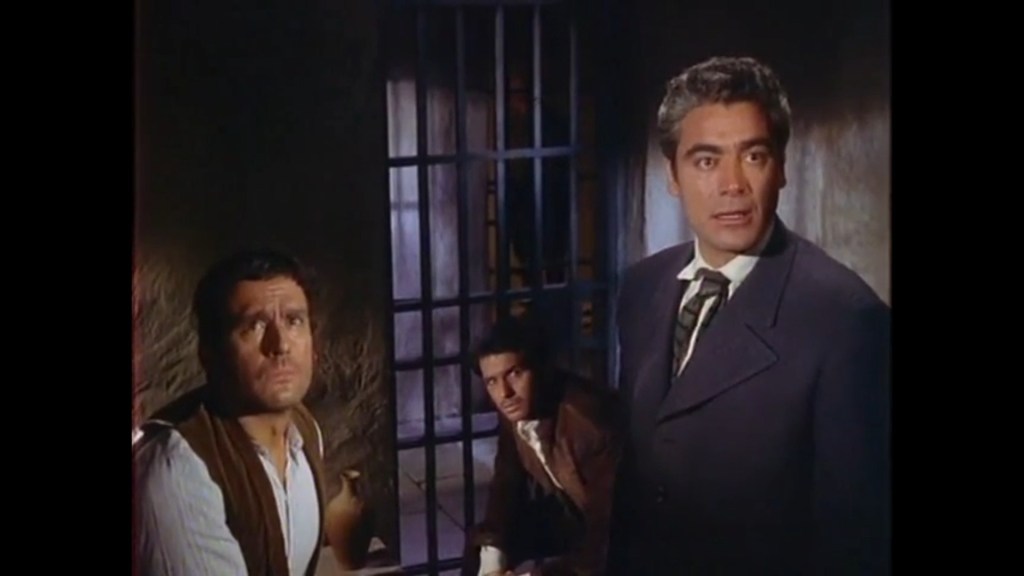
The three are sentenced to death, but Father Francisco, present at the trial, hears the verdict and recalls the customs and traditions of similar cases during Lent. He manages to get the judges to postpone the execution and leave it to the hand of God during the celebrations in the Holy Church of Malaga to decide which of the three will be spared the death penalty. The ending is more than obvious because it always seemed to suggest that Juan Cuenca’s acquittal for killing his unfaithful wife would be more likely to be excusable than the murders of Pedro and Andrés, even though they were accidental.

 Pantagruel´s liquor
Leave a comment