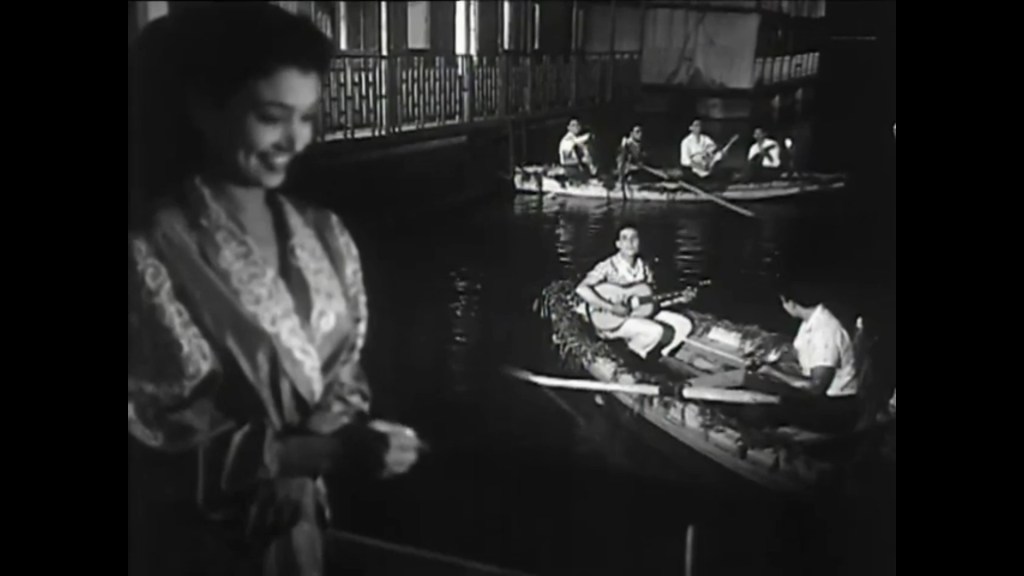
Without a doubt, this is a story that exudes infinite sweetness, exploring the love at first sight of the ‘crazy youth’ referred to by the Cubans of Buenavista Social; all the ritualisation from the moment the fickle Yehya is stunned by Samia from a distance, and his fall from the boat, followed by the phone calls and the night-time serenade from the drifting raft, provide a beautiful counterbalance to the bitter backdrop of the plot, and in particular to the sad origins of the studious young man and his mother Fatima, who had to abandon her husband Kamel, the alcoholic painter who made a promise when his son Yehya was born, and in fact kept it, until his promoter or patron reproached him for wasting his talent on portraying clients instead of creating the art he used to produce under the influence of alcohol.
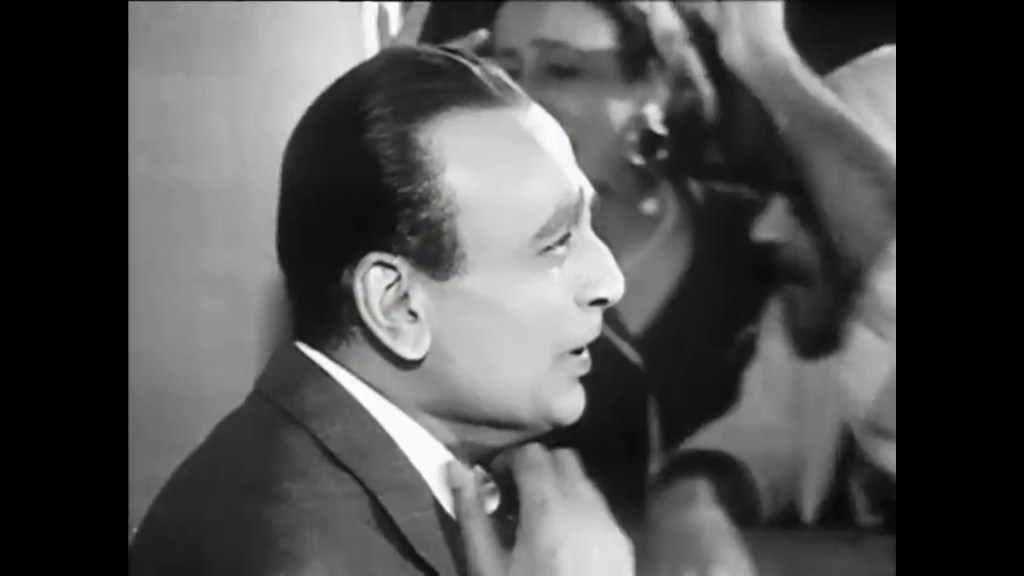
Back to drunkenness, the end of the promised harmony, and Yehya’s mother takes the brave and commendable decision to leave the house with her son and rebuild her life with Essam in a new marriage. But the crux of Days and Night is barely hinted at, and it will be the discord that Yehya gradually develops with his stepbrother Fahti because of Essam’s son’s jealousy.
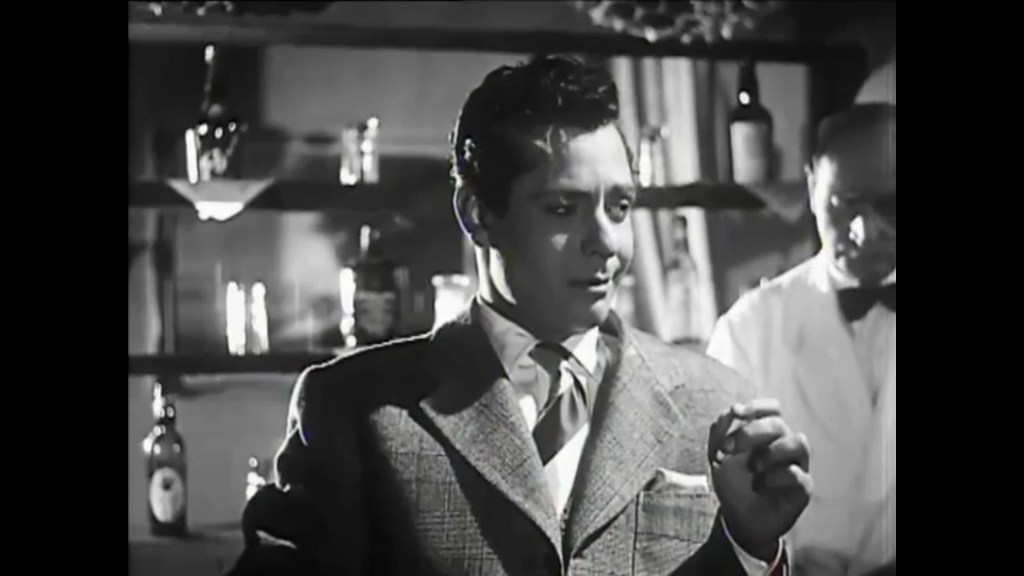
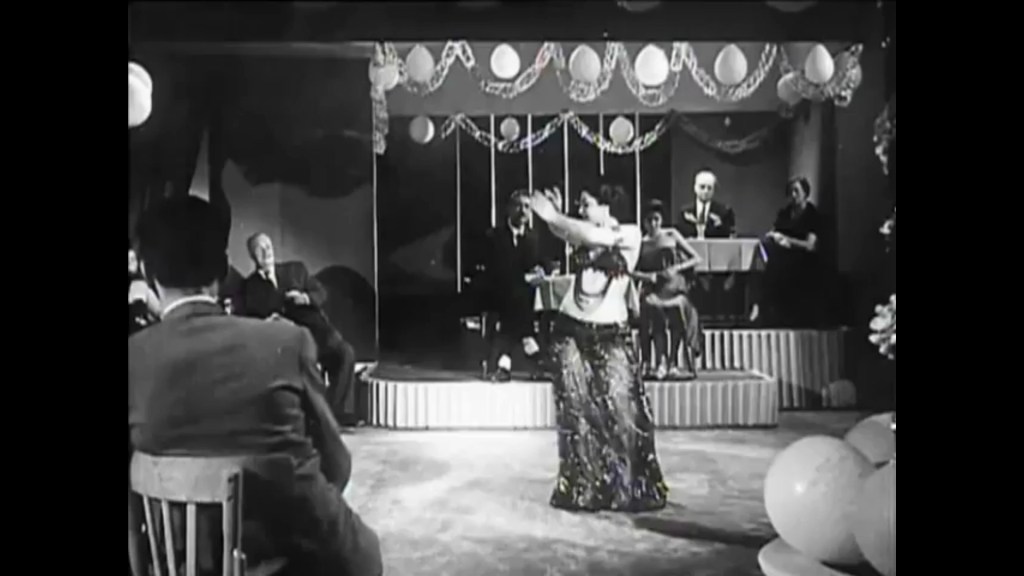
The school scene vividly depicts the scruples and opposing temperaments between Fatima’s new husband’s son and Yehya, the son of an alcoholic. The teacher reprimands Fahti for snoring openly while falling asleep in class while his brother is explaining a subject. Fahti not only challenged and renounced authority in front of his classmates, but also lashed out at his brother when he got home for being more morally responsible than him. This rivalry, but above all Fahti’s resentment of Yehya’s achievements in almost everything, will be taken to extremes when Yehya becomes Samia’s boyfriend. Fahti also likes her and on several occasions forces his brother to introduce him and snub Yehya in front of Samia.
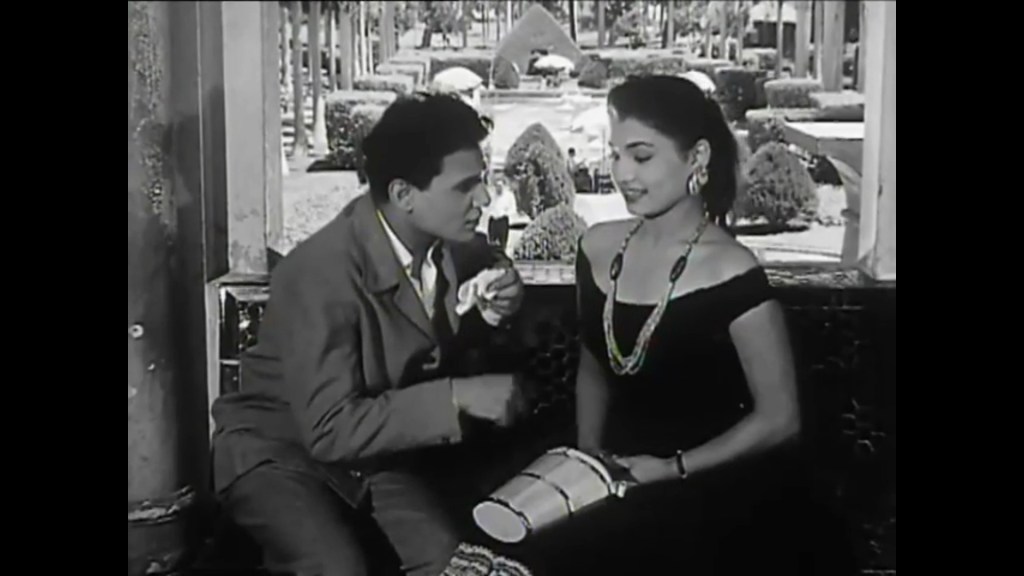
As I said, it took Yehya a whole ceremony of repeated courtship and falls into the water to make the girl he adores laugh and increase his charm, until he finally wins her heart. But at the dance, Fahti, always dressed in a suit and tie but a cheat and an alcoholic, tries to go too far (abusing and kissing Samia by force) until Yehya intervenes. Yehya’s noble heart does not allow his brother to become one of the three Furies under the influence of alcohol, and he accompanies him even though it is Fahti who is driving. He runs over a passer-by and escapes despite Yehya’s pleas.
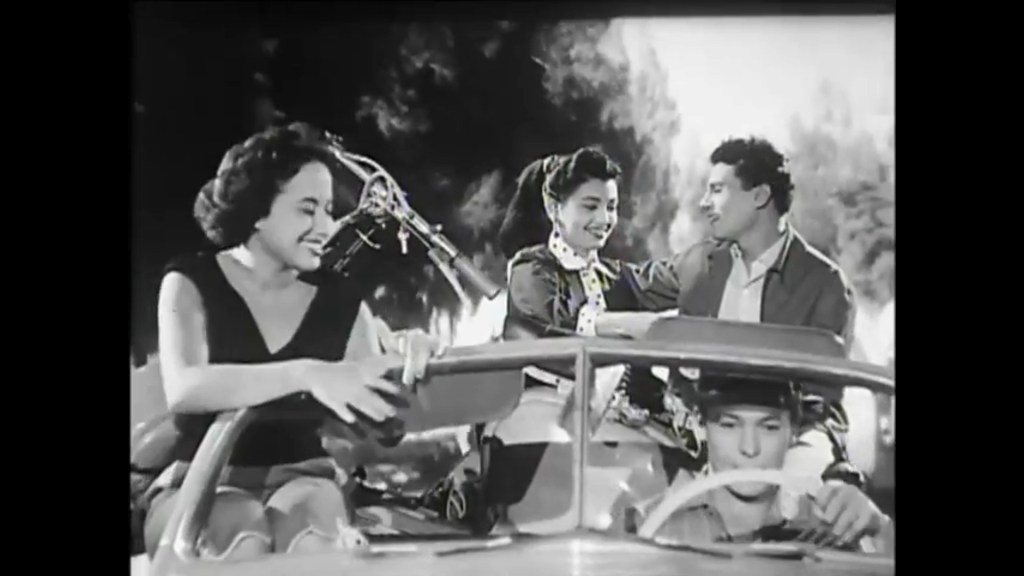
A few minutes later, Rafaat, Yehya’s best friend—the one who helped him sing in the moonlight on the boat—arrives at the scene. Rafaat is mistaken for the criminal who ran over the pedestrian and is imprisoned for only trying to help. Yehya will not allow him to pay with his freedom for something his stepbrother is responsible for.
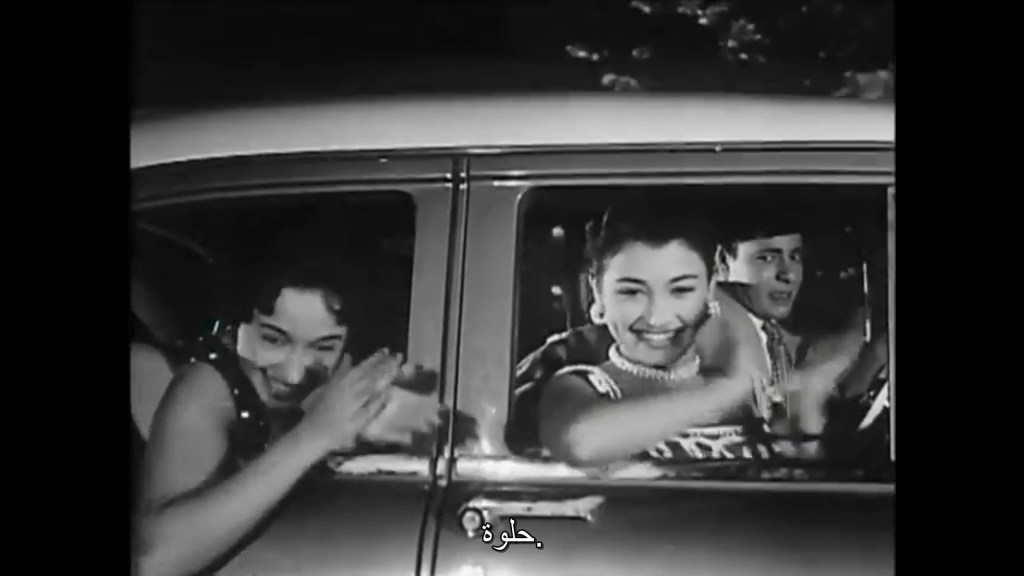
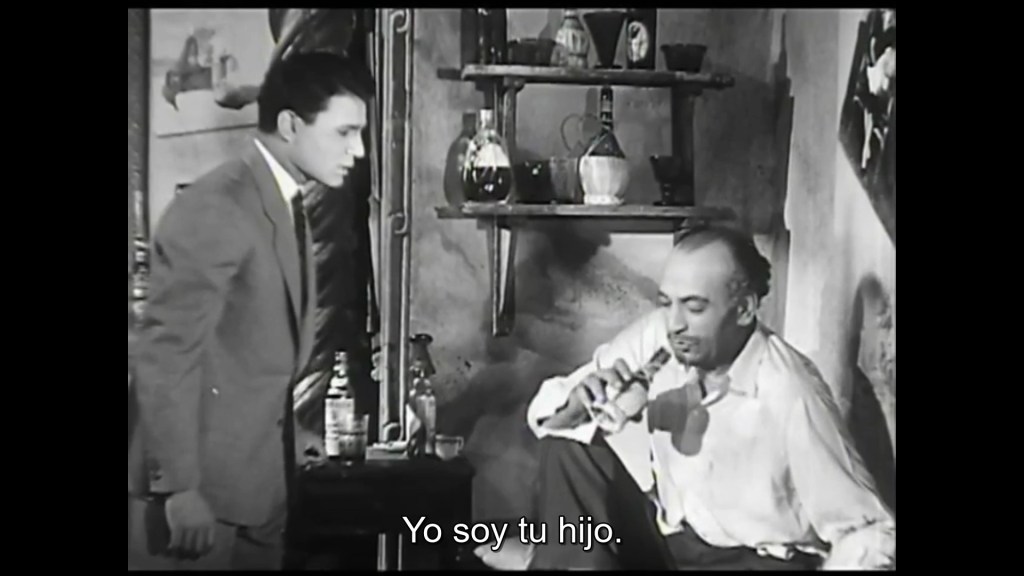
Thus, seeing his stepfather’s open rejection and even threats, he turns to his real father, Kamel, who advises him to tell the truth. Yehya, unable to accuse his brother but also unable to let Rafaat pay unjustly with prison, blames himself, and his mother intervenes, realising for the first time the mistake she made in leaving her alcoholic husband. In the process, she asks her husband to testify, and Essam finally accepts that his prodigal son is a scoundrel, and the accusations are directed at the real culprit. Okay, this film is a little corny, but justifiably so, especially in the third song performed by Yehya, when the Vespas or motorcycles sing the chorus while escorting the car driven by his best friend Rafaat Hussein and Yehya sings ‘I love you, Luna, Luna…’ Apart from that, the story is a good melodrama in the genre and the photography is incredible.

 Pantagruel´s liquor
Leave a comment