
“Un sentido del humor acojonante” says the screwy detective. (‘A terrifying sense of humour.’) To cunningly lure the viewer into falling—at least for the first 15 minutes—into the same game of shooting epithets left and right under the ridiculous certainty of the reverse accident fallacy, in the same way as the representatives of justice in the story (the police and the doctor) who, paradoxically are the crooks here (if there are any) due to their indiscriminate use of prejudice, there is a delightful opacity to the characters’ personalities or profiles from the moment the chase and shooting of the ‘economist assassin’ takes place and then the death of the officer who was chasing him at the airport.

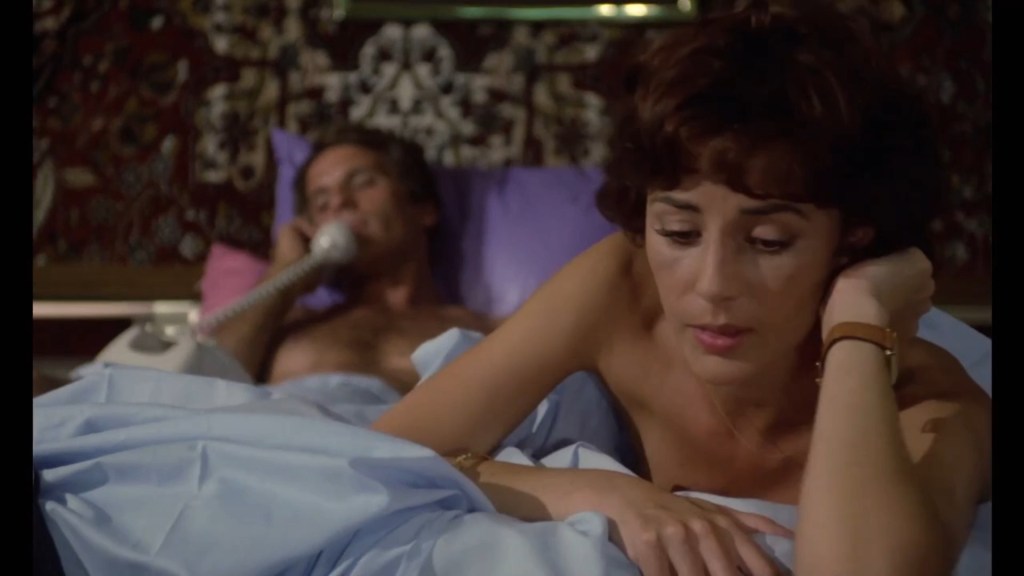
Elena Rojo, the woman dissatisfied with her relationship in crisis, was, let’s say, in the right place at the right time to arm herself with determination and end her relationship with her spouse, God knows who, a short while after the whole police drama.


Let’s suppose that I don’t dislike journalists and that this mechanism of prejudging a suspect before even hearing him, or even arresting him, is committed by the whole of society at certain times, and so we come to the heart of this film, whose script is rather facile as it is based on a repetition of clichés: ‘he’s a self-made man’; ‘the killer’s days are numbered’; ‘there are thousands of eyes on them’; ‘given that the victim was a nice man but also represented the legally constituted power, the murderous economist could be a seditious person’… and so on and so forth. I gave it 4 stars because it’s unclassifiable.
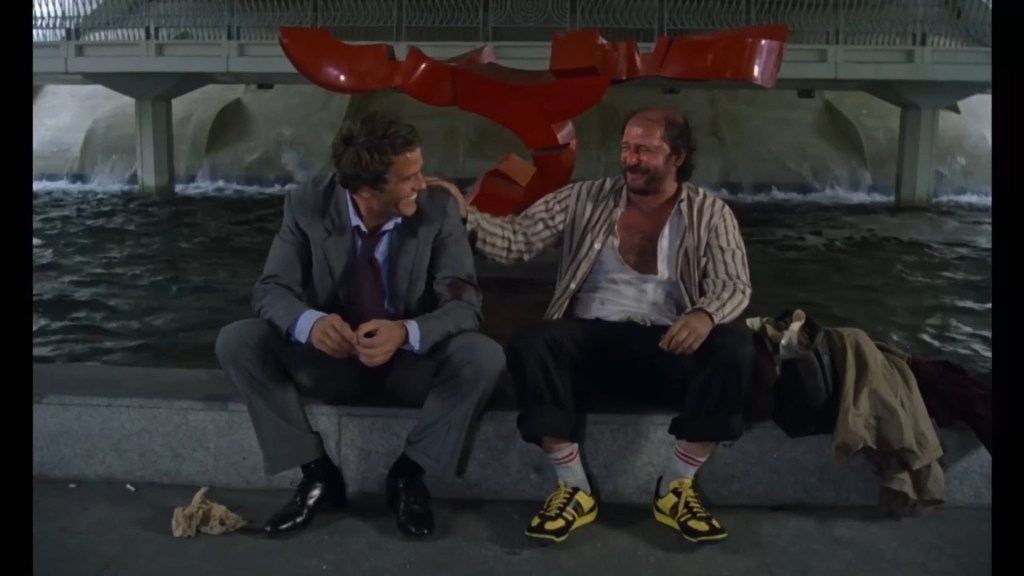
The theme and satirical humour are reminiscent of Alex de la Iglesia, while the treatment or genre with which the subject is approached is reminiscent of David Cronenberg’s early work. when the police commissioner dramatises in front of the journalists, it seems like a nod to the French Nouvelle Vague of the late 1960s, and when the economist sits down with a beggar and tells him his joke about being released with an ‘excuse me’ after 10 years and admitting that he is the criminal, how did they find the person responsible? There is a hint of nostalgia at the end. Obviously, it is a light dystopia that I suspect the screenwriter Sánchez Álvaro, i.e. the director, lightened up to make it more appealing with its denunciation of the state’s panoptic surveillance of its citizens, which is extremely repetitive even in marches and at a theoretical level. Remember Michel Foucault in Discipline and Punish: ‘follow all the clues, watch, search, control…’ (0:59:41).

The joke about extreme surveillance does not stop with the investigation by the histrionic police commissioner, superbly played as always by López Vázquez, but continues with the use of technological tools, albeit rudimentary for 1983, in an attempt at dystopia with the computer Charlie brought by the Americans, according to the commissioner, but manufactured by the Japanese. And while they are identified after having sex among mannequins, Elena Rojo says she feels like a city bird.

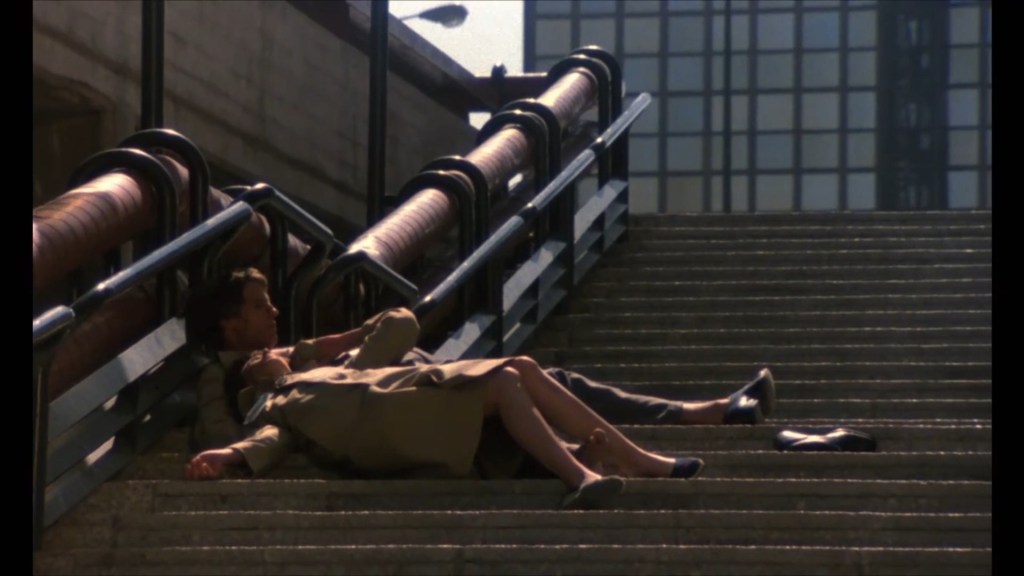
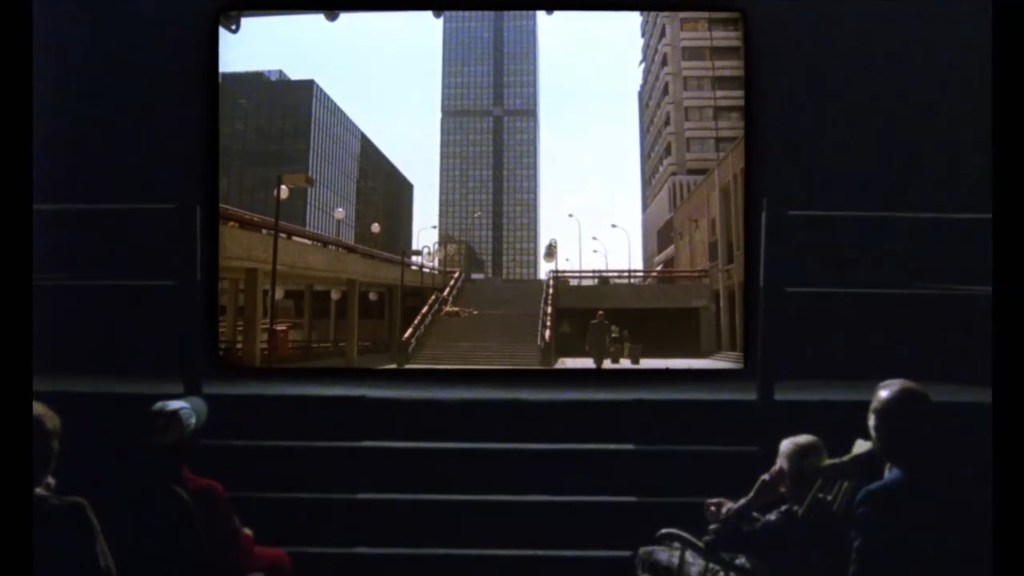
Her father, a stubborn general, is more upset and concerned about taking his gun from his desk than about his daughter. The revolver was to kill himself in the morning, but who doesn’t change their plan to kill themselves when they see dead people at an airport? Anyway, in the middle of their bedtime feast, they are identified and we learn that the thug who said the police commissioner was exaggerating about him was exaggerating himself. He killed them as they left the building and the authorities watch everything on a pay-per-view screen as if they were watching a film. By the way, there goes the homeless ex-convict. A police informer?
 Pantagruel´s liquor
Leave a comment