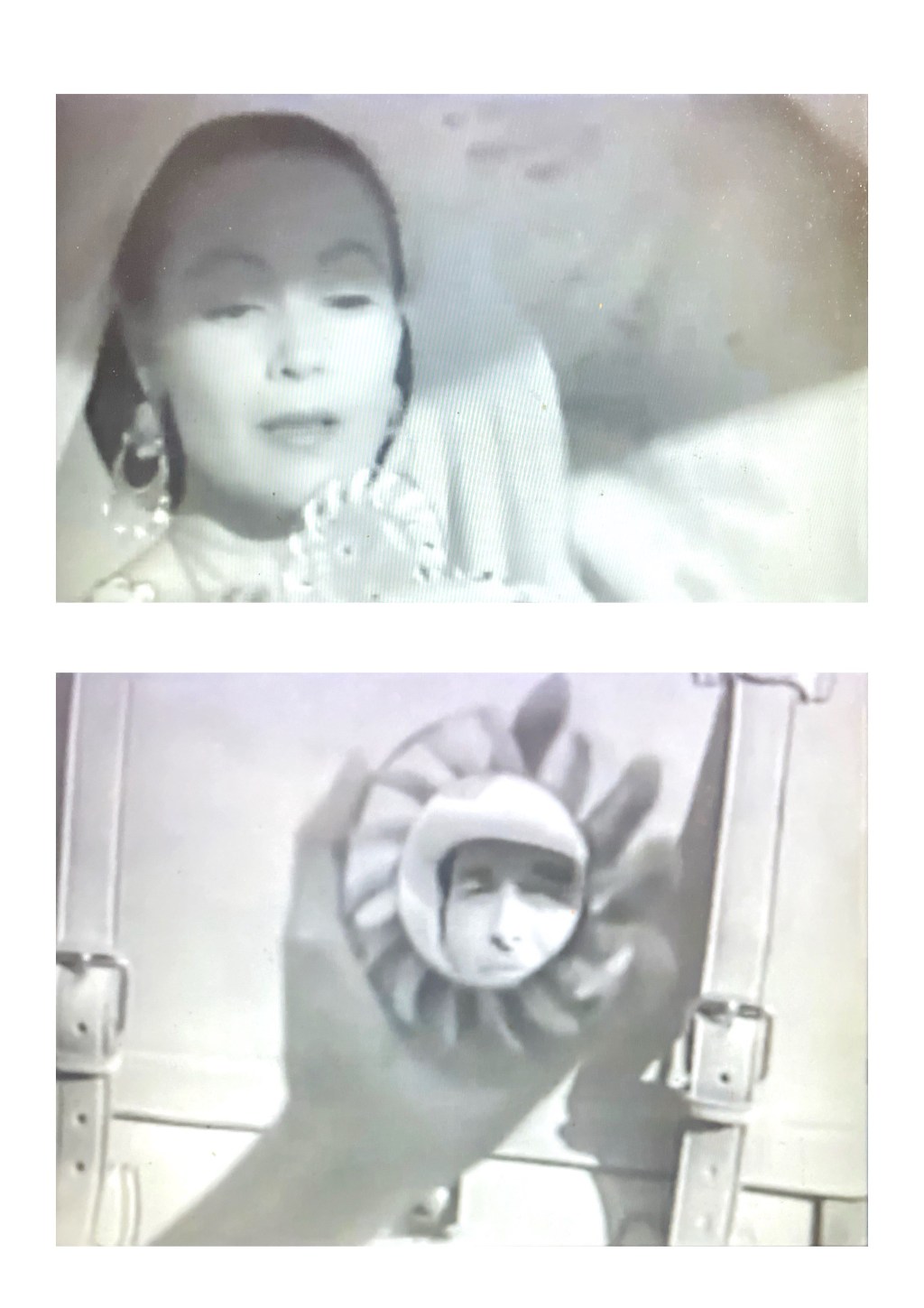
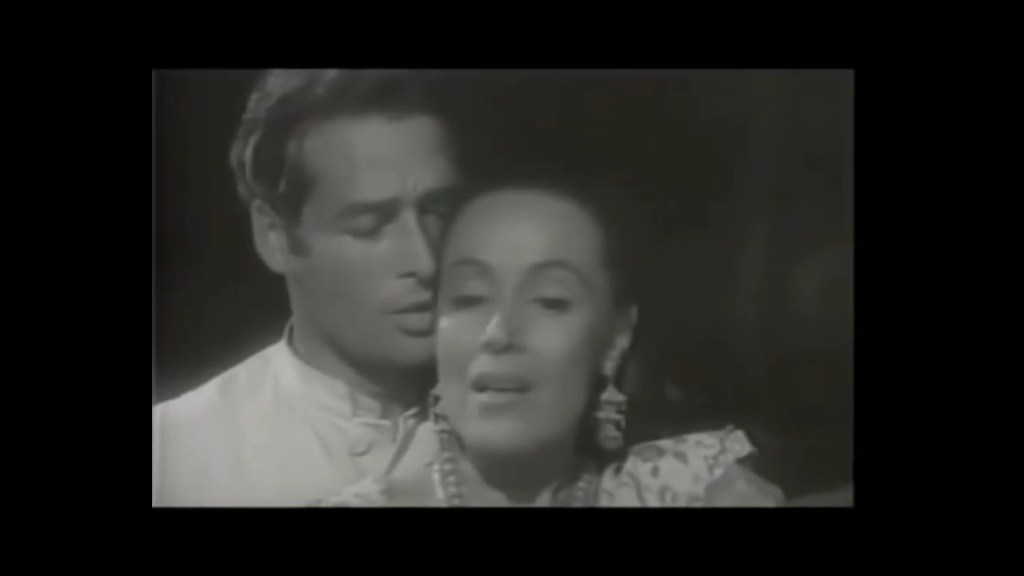
Forget about anachronism (even for the time when the film was released immediately after the war), that is, ignore the manipulation exercised by Mayan social structures—both on men and women—regarding the ritualisation of choosing a spouse against their freedom and self-determination. Jump into the dreamlike state of Deseada (0:36:10), the character played by Dolores del Río, who is more beautiful at 50 than she was as a young woman in silent films. I will never tire of repeating this.
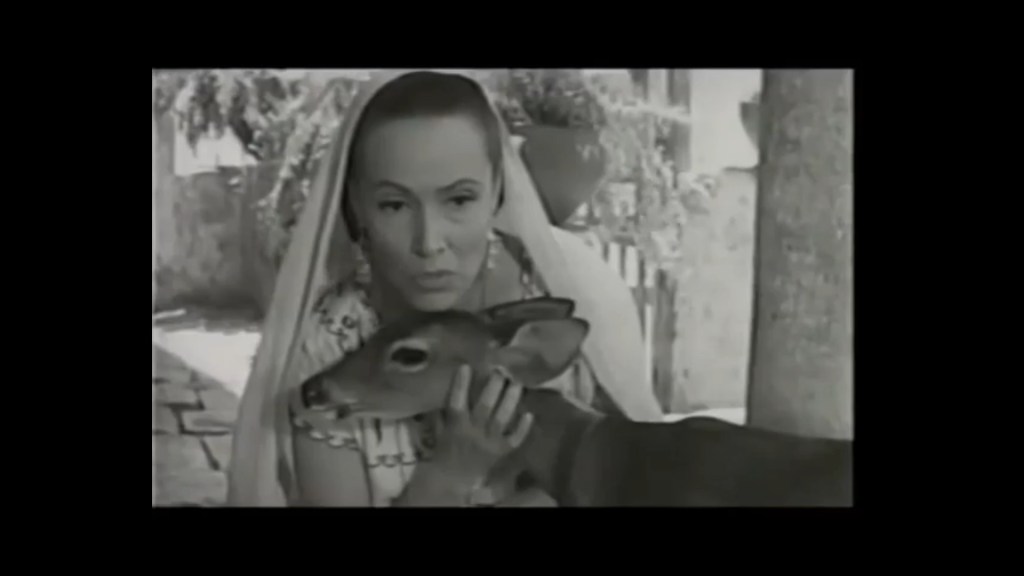
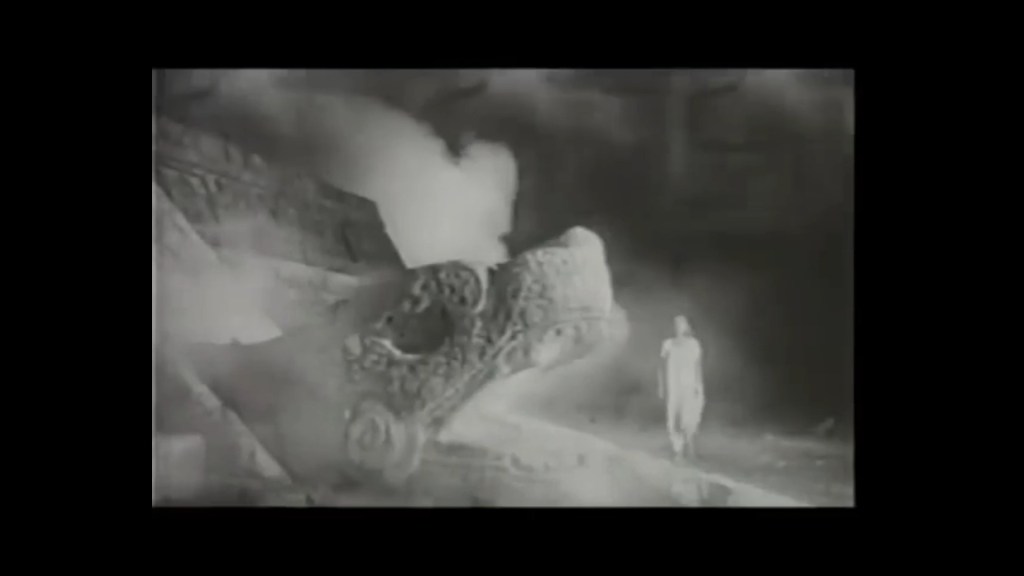
The entire dream sequence that begins with the rocking hammock and the tenor’s final verses, giving way to Deseada’s surreal stroll through the enigmatic ruins of Chichen Itzá, accompanied by an extraordinary background score by maestros Eduardo Hernández Moncada and Jiménez Mabarak, is a genuine work of art within the film. a nationalist impressionism reminiscent of ‘Noches en los jardines de España’ by Spanish composer Manuel de Falla. The scene in which Deseada wanders with her thoughts like a sleepwalker and, at the end, fearful of what she has thought without right (because it is her younger sister who is supposed to marry Manuel, the handsome newcomer from Spain), rows with Dolores del Río to make sure that the deer is gone. Little Nicte has been prepared for marriage but rejects her fate, more because of the gossip of the girls her age than because of her fiancé, whom she has never even seen.
véase el corto aquí: https://wp.me/aguJCZ-sB
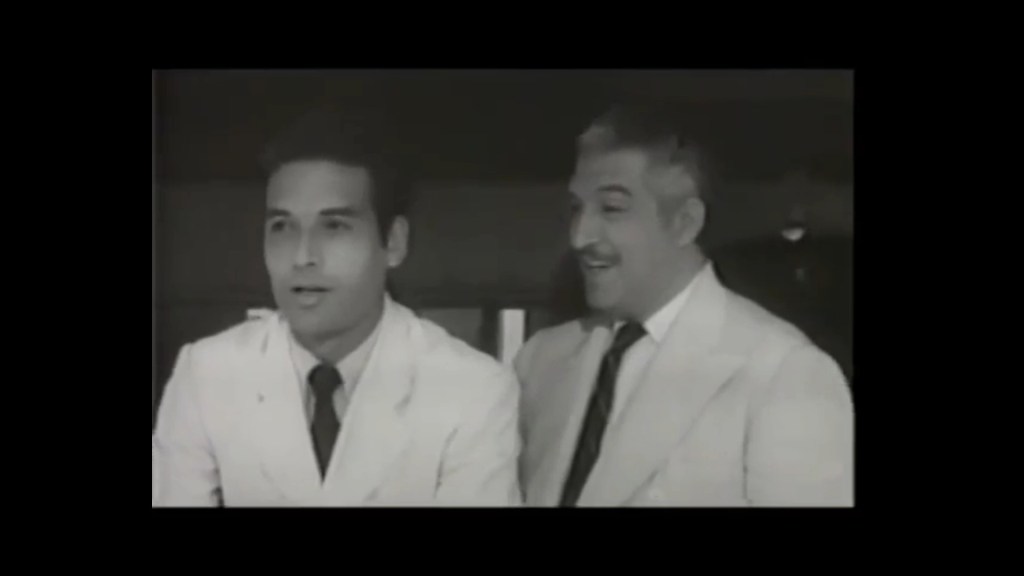
And in a childish snub, she runs away from the train station on the day of Manuel’s (Mistral) arrival, and it is Deseada whom the Spanish heartthrob mistakes for the other girl, leaving both of them badly wounded in love (Dolores del Río and Mistral), to use a cliché from a popular Mexican song.
And there, the emblematic scene of the coachman on horseback takes place, in which she, Deseada, uses the tricks of women, her little mirror to observe the stranger pretending to look at herself in the mirror, but the man with the wide-brimmed hat catches the eye of her older sister, who has been desired by many before but has rejected them all to fulfil her destiny of giving her sister away at the altar of Mayab.
After the younger sister refuses for the first time – the Mayan woman (saying that she does not accept the suitor even though she cannot see him), as is the tradition, and after the scene of the horse that escapes and which is diabolically unlikely to find its way into the ruins of the pyramids during its escape, despite how close it may have been to Don Lorenzo’s estate, where the Spanish Manuel is spending the night, galloping after the horse, there is little justification – if any – for my use of the anachronistic adjective, other than the fact that it is a film from the middle of the last century. but because of the long-standing custom in the Mayab, where Mayan marriages were arranged between alliances and only suitors chosen by the council were allowed, not by the parents of the bride and groom, and certainly not by the young couple themselves. It is unlikely that a Mayan woman would have been promised to a Spaniard without colonial intervention, but it happened here through the landowner Don Lorenzo, so this film (based on the play) is an example, albeit less common in the mid-20th century. Something not very usual, in fact uncommon in a director like Gavaldón, is that his work contains continuity errors. Notice the scene where Manuel is riding the fleeing mare or horse: the sky is dark, while the sky is twilight and almost clear where Deseada is standing near the ruins, where the runaway horse and therefore Manuel arrive. I suppose this is because there are some very high-quality photos by the master Manuel Álvarez Bravo, and these were distributed with Alex Philipps’ shots.
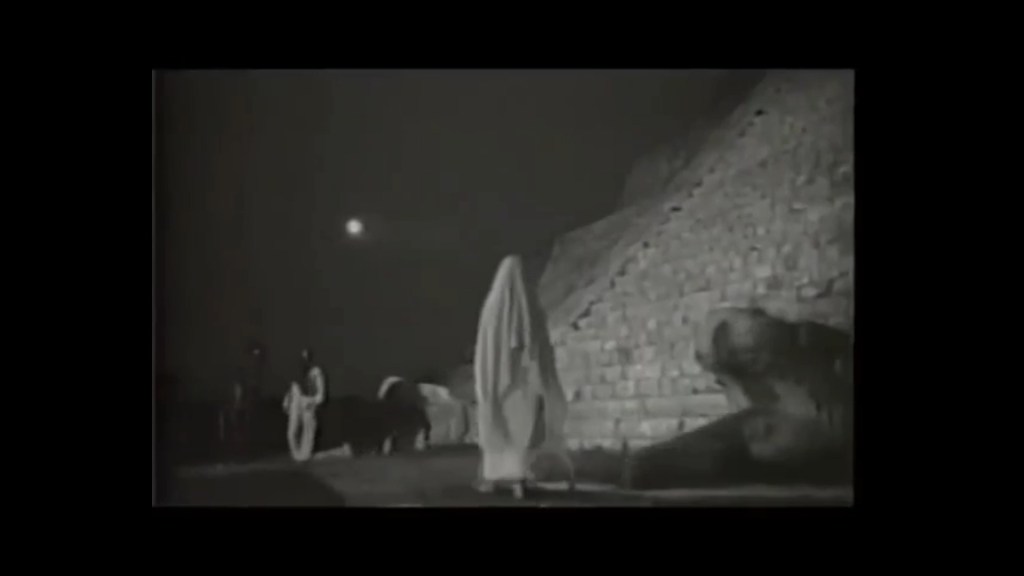
The moon can be seen, in fact, in the frame where the Spanish horseman is inserted, and this is when the poem begins. The traditional Mayan night festival is beautiful, and then the bitter truth comes out: Manuel is the son, not the nephew, of Don Lorenzo el Hacendado, and they confront each other when Manuel loses his head. Don Lorenzo was on the verge of suicide after Deseada rejected him, but the gust of wind that burst through the door with Manuel’s arrival, as he had predicted, brought the ill omen of both men fighting until Manuel shoots his own father. Miraculously, he does not die. Deseada finishes weaving the hammock for her sister as if she were saying goodbye and chooses a third option when she can no longer love and reciprocate Mistral’s feelings. The verse that crowns the beginning and the end of this melodrama makes sense: ‘the mark of your foot is erased at the end of the road, but the step you took remains imprinted in the memory of time’. When she throws herself from the high rock, it even makes sense that the Sun and the Moon can never be together.
 Pantagruel´s liquor
Leave a comment