
The conflict, or false dilemma, faced by journalist Shin Haedong is personal. This story will therefore be as arduous as it is deeply intimate for the character, as it is of little relevance to anyone else. People either have faith or are not interested in anything metaphysical or spiritual. I suggest that Shin falls somewhere between the two groups: he has a mind of his own, unlike his fanatical wife, who calls the parting of the waters at Jindo a miracle of Jehovah’s power, so he is not religious in the slightest, but neither does he lean towards the mysticism of the shamans, until a strange uneasiness began to take hold of him and he became interested in his mother’s authentic gifts as a Dangolle.
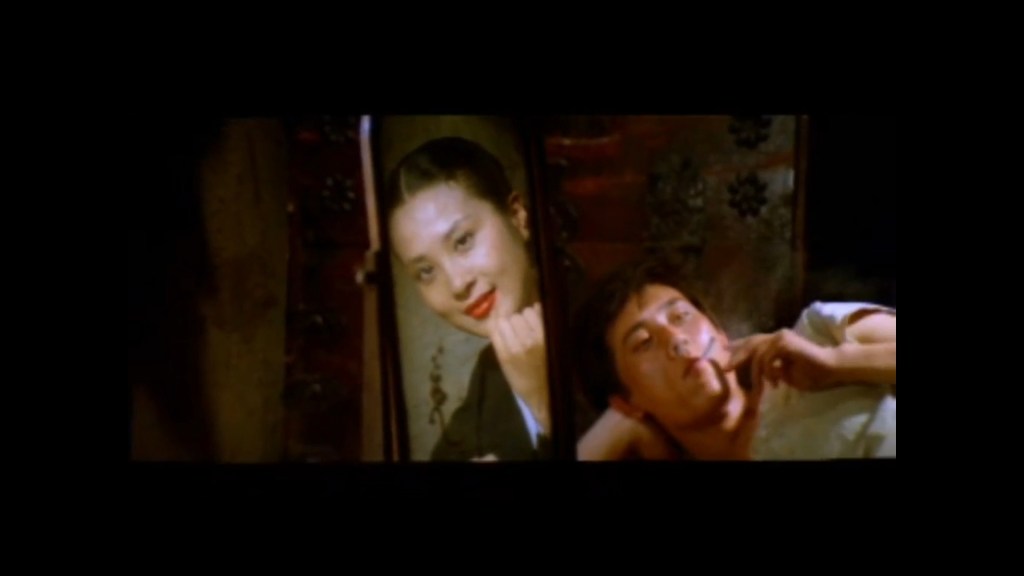
The protagonist’s feverish convulsions, which incidentally remind us of his mother’s need to see or be in front of a fire every day, lead him to a psychologist or doctor, who assures him that ‘just because my mother was a shaman doesn’t mean I want to be one’ (00:53:25). This ‘calling’, let’s say, from the legacy that his mother may have passed on to him in his genes, is what Shin senses must be affecting him, and this story is the journey to find his mother. To do so, she will recover her childhood, and we, the viewers, are grateful for this because, as she recalls the abusive treatment she received from her stepfather Dolsoe, we also understand why her mother asked to participate in a shamanic ceremony in the port of Heoryeong. The director expresses, albeit discreetly, his distrust of Korea’s progress in Christianity, represented by Shin’s wife, and therefore, as seen from a Western perspective. On the other hand, the crux of the film offers a glimpse of the indigenous nostalgia for Korean traditions in a shamanic ritual led by women (women who have resisted modernity since their persecution under the dictatorship of Park Chung-hee); a ceremony that uses a type of ‘muga’ singing (according to some sources listed by Wikipedia) and with the ocean drum in the bay, seeking to balance – through specific rhythmic patterns and elemental symbolism – or contrast the Christian ceremony taking place in parallel in the same sequence of the film.
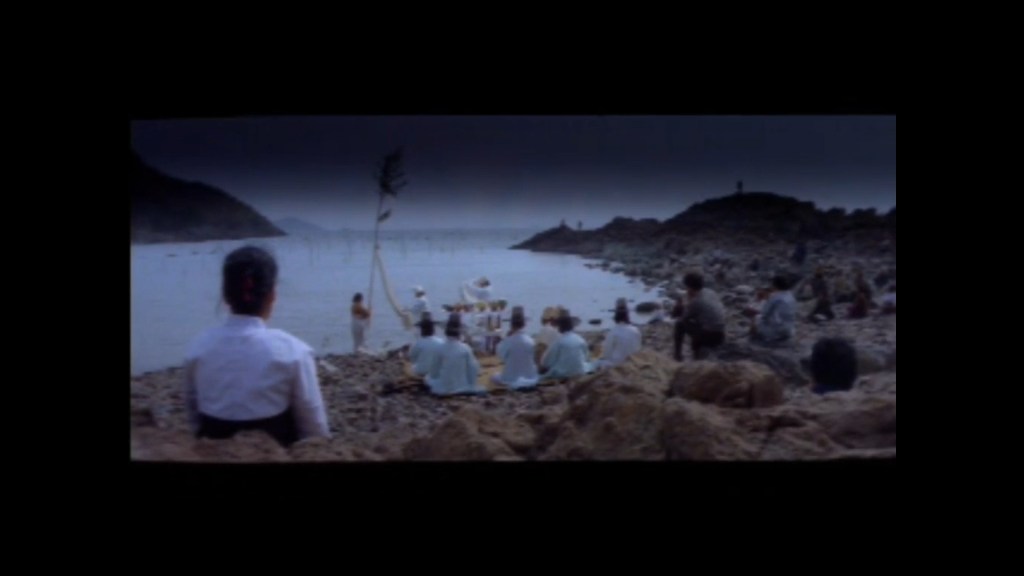
When Shin decides to accompany his wife to Jindo, uncertainty grows within him due to this ideological and spiritual clash between the two traditions converging in contemporary Korea in the 1980s. The fact that Shin has shaman blood in his veins is justified by his decision to go in search of his stepfather after not seeing him for 30 years and then immediately going to his mother’s village, Yongsidom. Something fascinating about the film is that it does not go into detail about how the mother’s beauty not only charmed the father, who always demanded twice as much effort from her in her work to make a bigger fire, but also the stepfather, who abandoned his wife and children, enchanted by the mother, whom he kidnapped and took to Heoryeong Port.
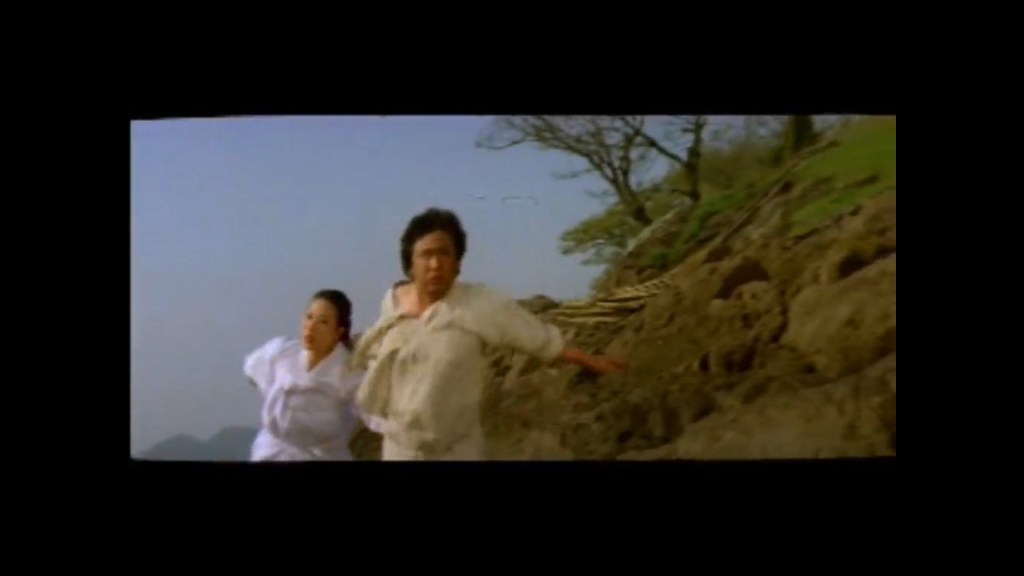
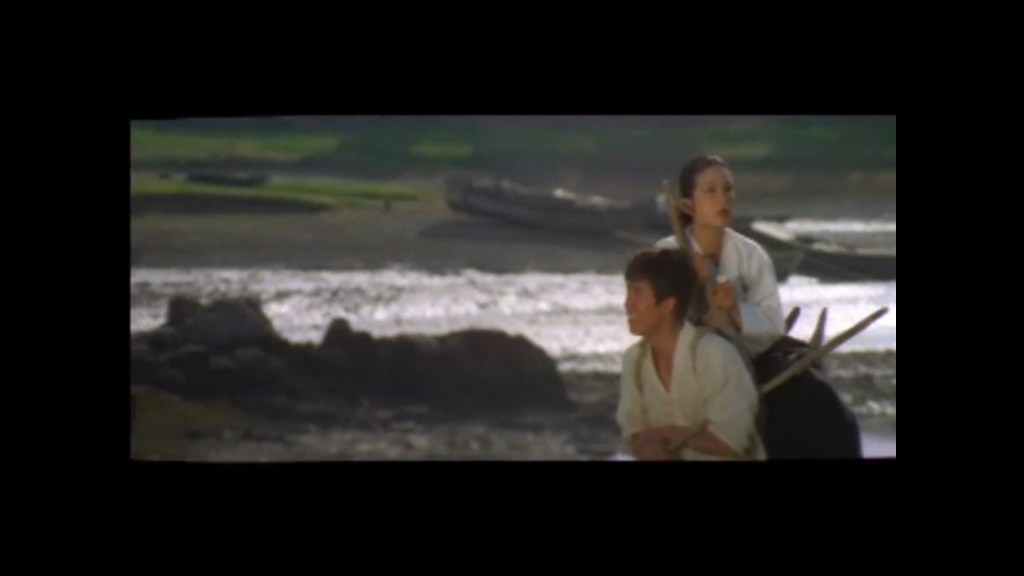
In fact, as Shin continues to gather testimonies about his mother, this act with the stepfather, who calls himself a shaman and believes that his wife (Shin’s mother) participates in shamanistic rituals, makes him jealous, so he goes and drags her back, beating her and later abusing her. This happened again with Pansoe, who took his new wife to the village until he discovered her in a ritual and, once again, she was mercilessly dragged away for breaking her promise to return to her forbidden shamanic roots. The son’s fierce resistance and indecision in preserving his cultural roots is understandable.

 Pantagruel´s liquor
Leave a comment