
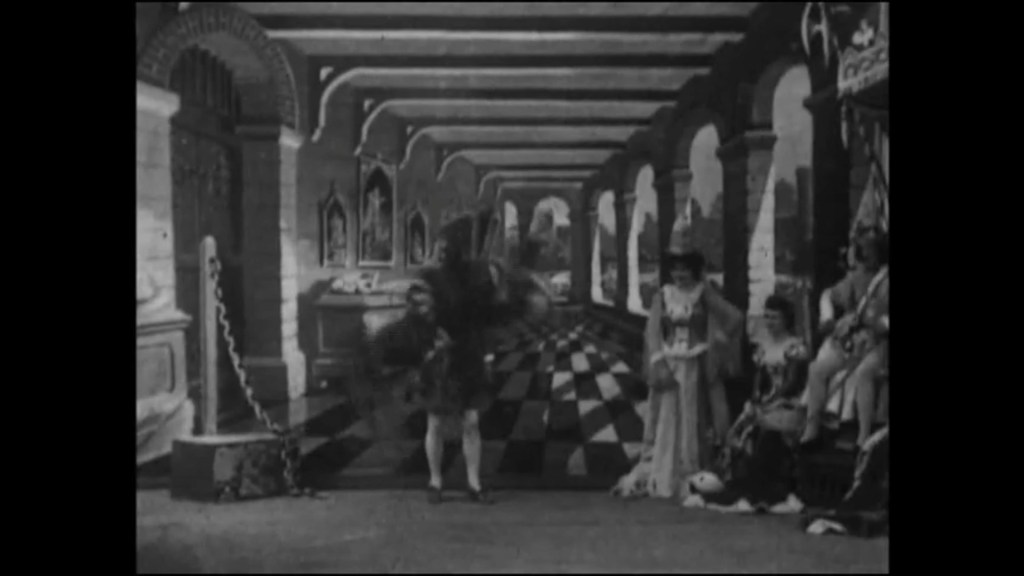
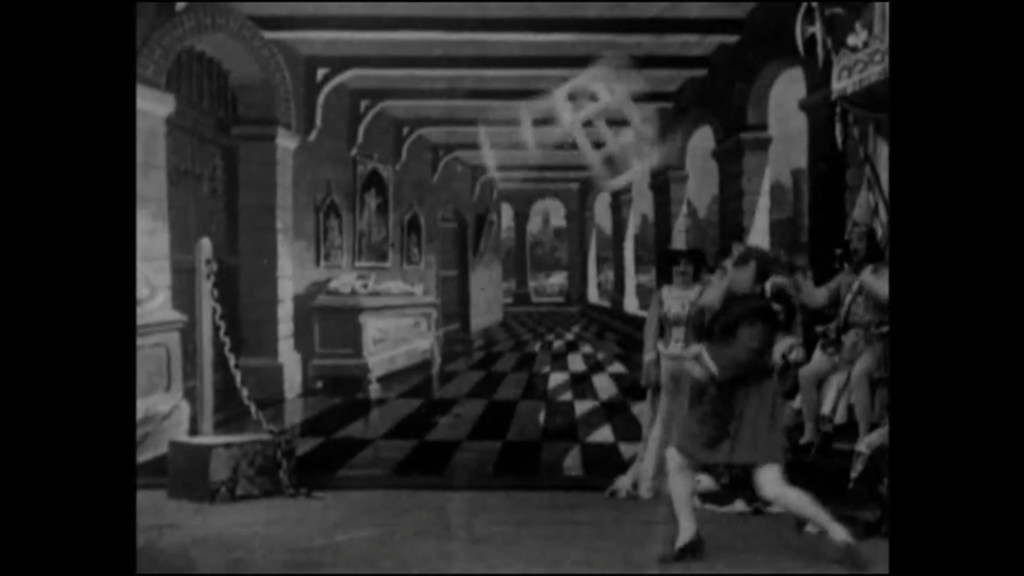
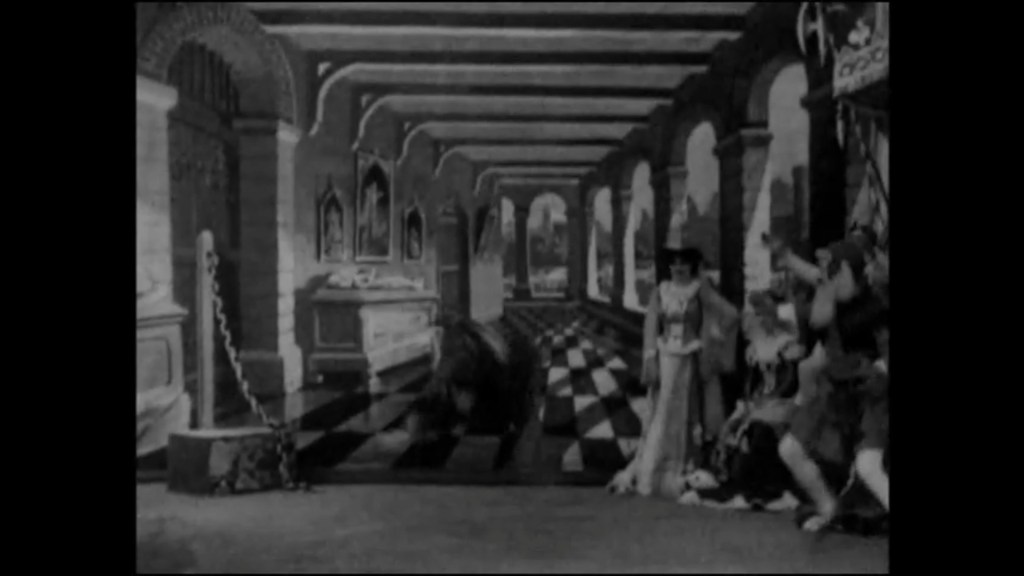
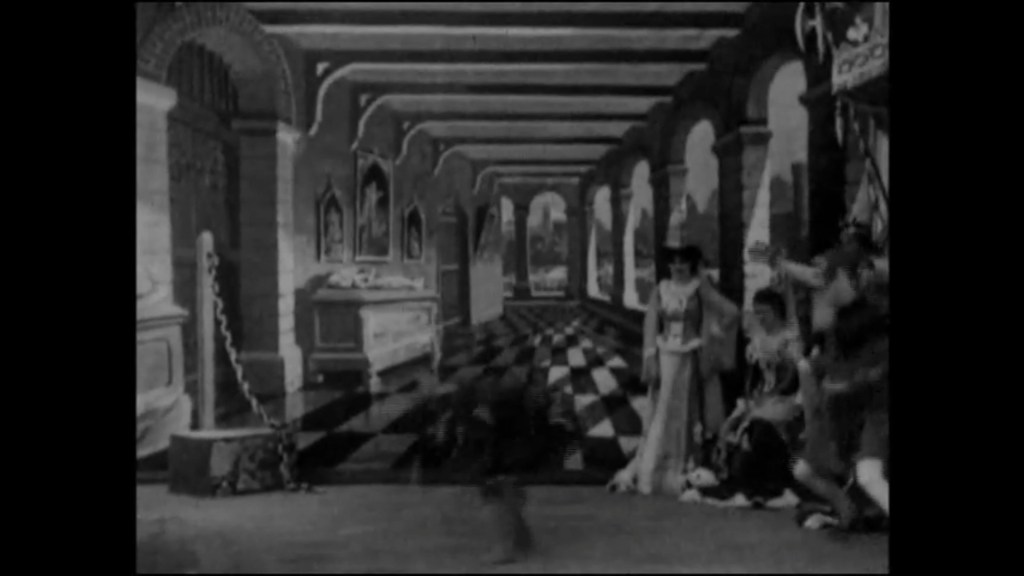
I won't dwell on the work of coloring frame by frame with aniline dyes, at the exorbitant cost of 6,000 to 7,000 FRF per copy before 1960, which, according to an article in Cahiers du Cinéma, required around 200 colorists. I'll dwell on Méliès's illusionist before he became a cinema pioneer, turning the acrobat into a chair using the stop trick known as the "crank step," with which Méliès stopped the camera, removed the actor from the scene, replaced the chair, and restarted filming. This created the illusion of an instant metamorphosis, fascinating for a short film that today hasn't lost its magic, even with so much AI and Photoshop apps. It's true that its duration is less than 5 minutes, but through the sorcerer, the avant-garde Méliès used the most sophisticated technology of the early 20th century to lash out with fantasy and social sarcasm and emphasize that the disorder of the magician cannot be controlled by royalty.
 Pantagruel´s liquor
Leave a comment