Review by Fernando Figueroa
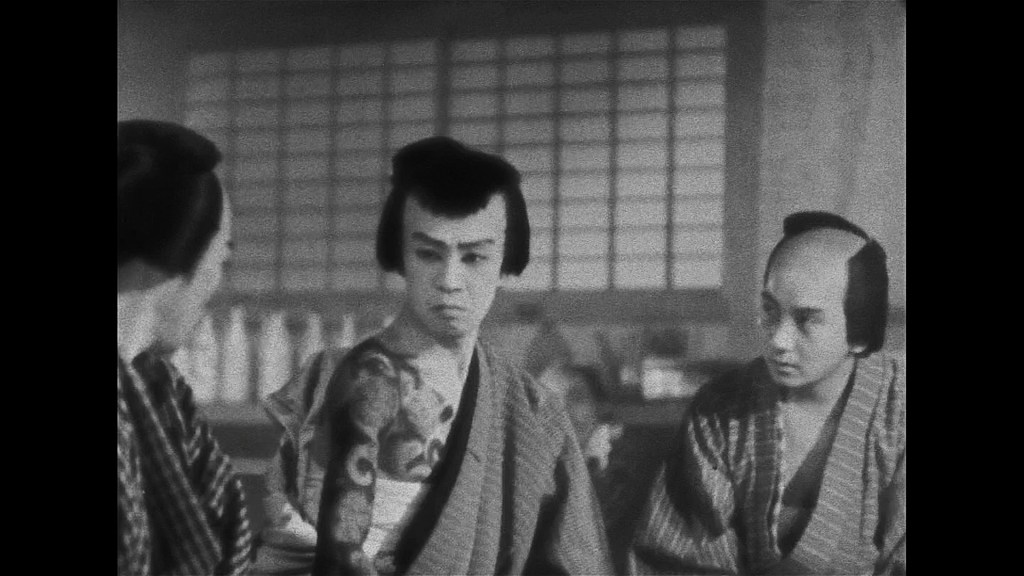
A timeless fresco from the Edo period, dating back at least two centuries, which revolves around the adventures of the dissolute Shinkiru, heir to the Touyama family, who nevertheless escapes from his chambers to indulge in gambling, cheating and excesses, believing that ‘good food is sad without sake’. Faced with his son’s licentious behaviour and disappearance, his father, an important magistrate, has decided to leave his inheritance to his stepson Shinninsuke.
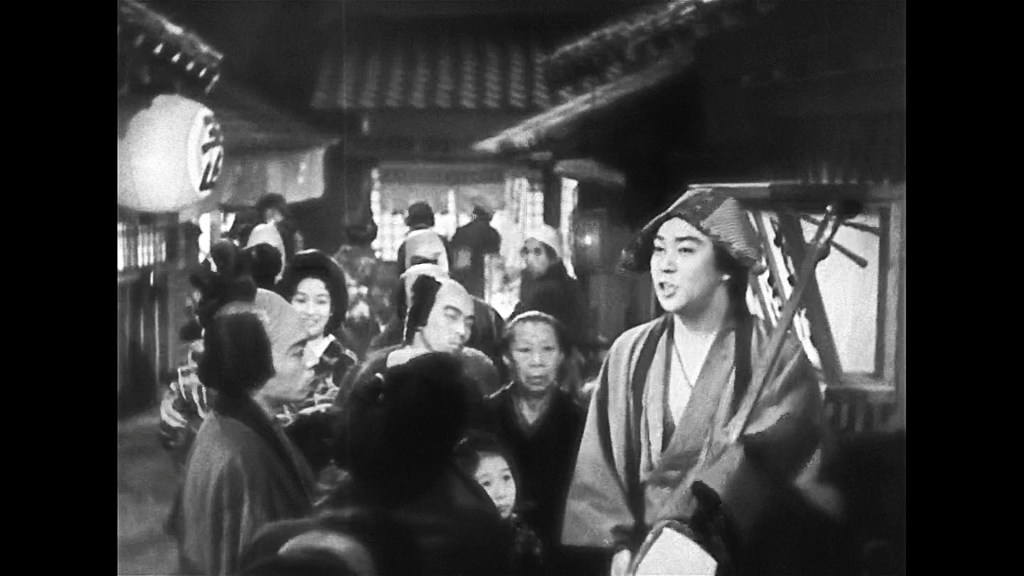
This work of the jidai-geki genre, originally attributed to Sadatsugu Matsuda, was actually directed by Ryohei Arai. What it lacks in consistency – focusing on one specific plot theme – it makes up for in a beautiful richness of everyday life, such as the sellers of ganmodoki, soba and fried tofu, popular songs such as Onsen performed at 0:39:40, the way they argue (with rock, paper or scissors using their hands)who will collect the debt from Kin-san; references to the lands of the Satake domain or customs inherent to that vast period, such as attributing bad luck in gambling to having placed bets on the Setsubun festival days (in February) dating back to the Heian period (794-1185).
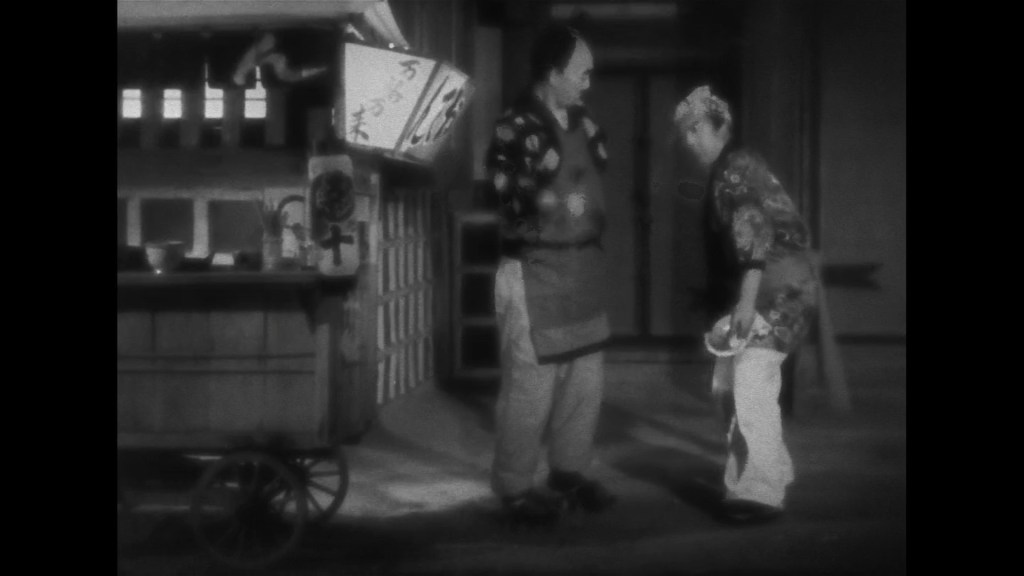
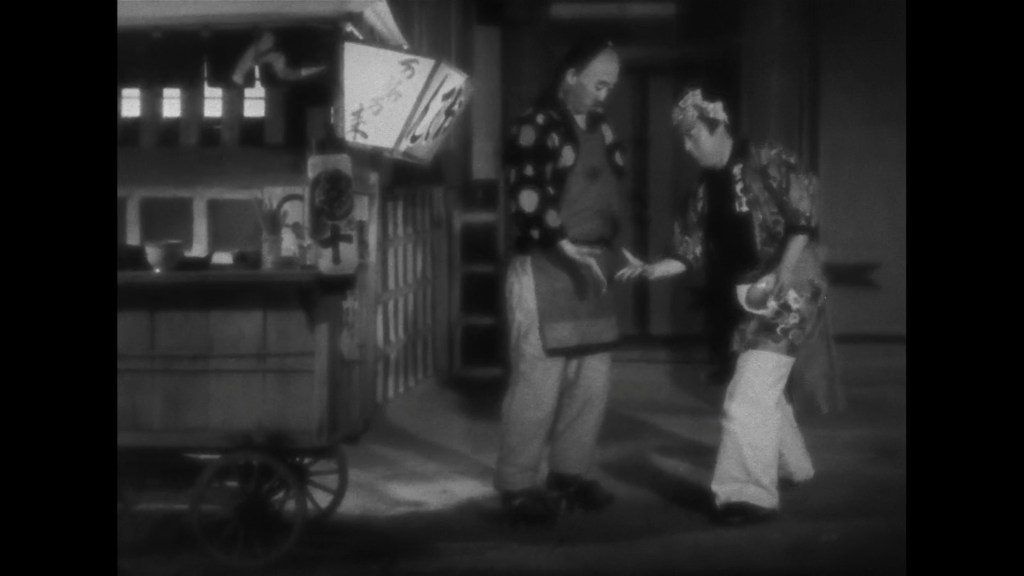
The feudal tension of the individual against the power of the shogunate or avoiding falling into the yakuza mafia is evident when there is a raid on a crowded show where Monji was singing as a biwa hōshi or gannin, a travelling musician, but had to flee immediately to take refuge when he saw the thief Aniki and other former companions with whom he had stolen and engaged in illegal activities in the past. Shinkiru, on the other hand, asks him for asylum in his home, which allows the lazy magistrate’s son to simply eat what is given to Monji, such as when the kind Sode-chan shares tofu with tempura and eel with him. Shinkiru also has time to meddle in other people’s problems by usurping the identity of Minister Kitachou to prevent an angry wife from deservedly beating her husband for spending the household money on alcohol and gambling.
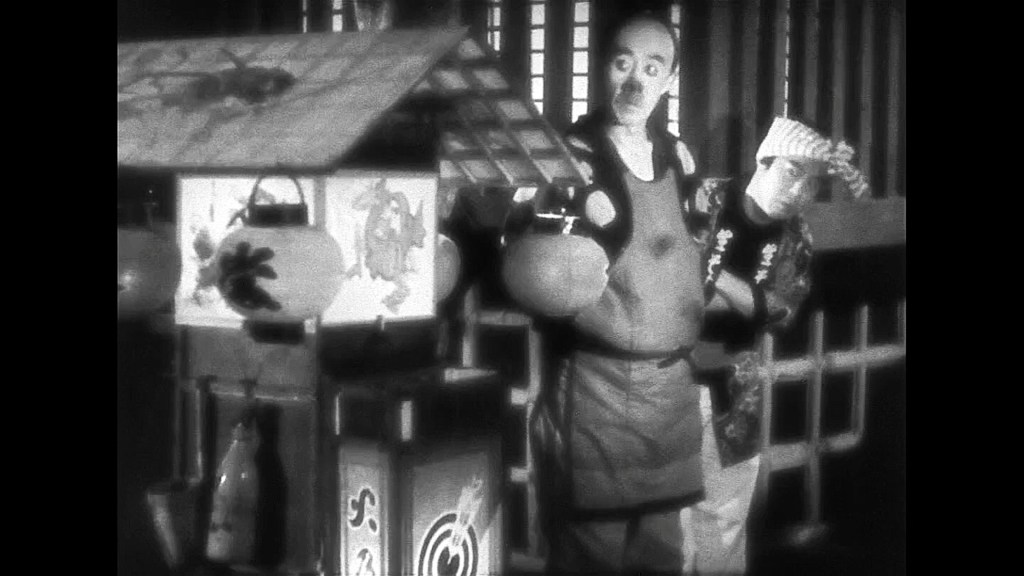
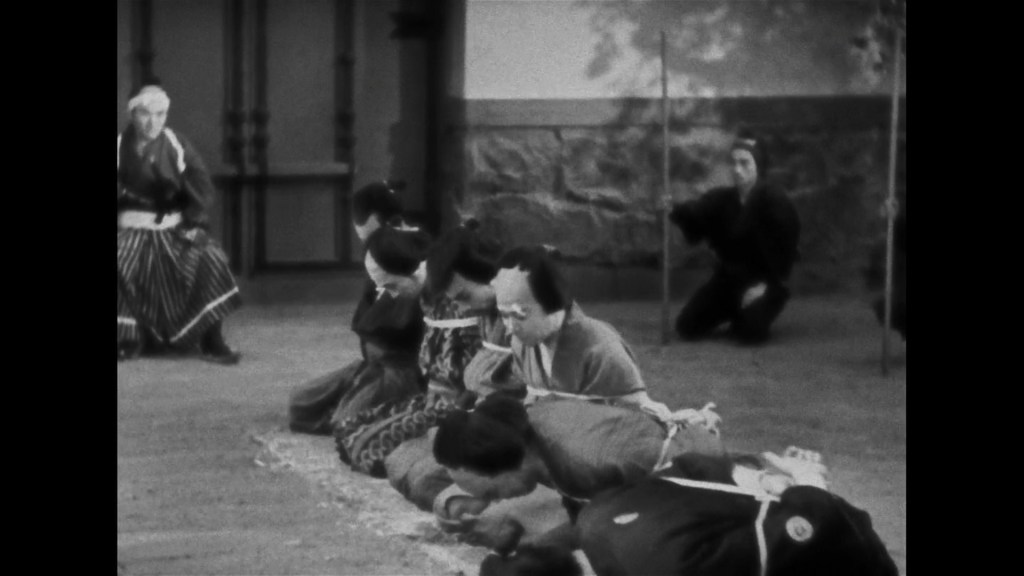
Monji is finally caught by Aniki and his henchmen Sahehi and Kanpachi, who harass him with an ultimatum: either he helps them rob Iseya’s warehouse or there will be reprisals for thinking he is better than them. Shinkiru is finally found by the samurai Bundayu, sent by his father from the palace, who rebukes the young man for not behaving in accordance with his ancestry and lineage. Shinkiru makes Monji promise that he will never gamble again, with a solemn vow. Monji cries and approves while they eat soba sitting on a street bench. ‘Monji, never forget the taste of the soba you cried over tonight.’ The street vendors, Shigeku and his rival, serve as the chorus in this drama, recognising the greatness of this gambler or compulsive player called Kin-san for saying and doing what he did for his friend Monji. The moral of the story, when Kin-san finds himself presiding over the court where the warehouse thieves, including his friend Monji, are being tried, is that Kin-san, using his true personality as the son of a magistrate, makes them give their statements and check whether or not they are telling the truth – simply because he himself, Kin-san, was present in the street scene when it all happened. Kin-san’s father is called Mizuno Echizen, a high dignitary who congratulates him on his son. Yoyama no-Kin-san reminded his friend, crouching in the courtroom as the accused, of the words he had said to him one day: ‘Monji, never forget the taste of the soba you cried over tonight.’ The metaphor of this beautiful work has already been embodied mutatis mutandis by real personalities such as the poet and tlatoani of Texcoco Netzahualcoyotl, who, in order to escape his father’s assassins, disguised himself and hid as a peasant before becoming monarch; and there are also literary ones such as Prince Hal with Falstaff in the first and second parts of Shakespeare’s Henry IV. With his changes and his changes, as I just said, Monji could be the Falstaff of Shakespeare’s boar’s head tavern, and that is why Hal, when he becomes King Henry V in the Bard’s next play, says to the portly Falstaff, ‘I don’t know you, old man, better pray,’ distinguishing duty and responsibility from the friendship and debauchery that they once shared ethnographically in their time of political immaturity. I recommend it, an excellent work.
 Pantagruel´s liquor
Leave a comment