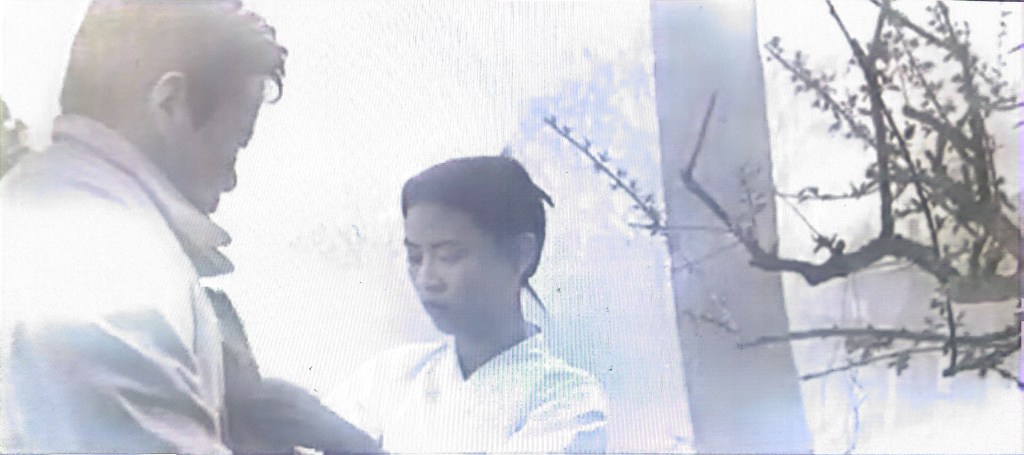
The liberation from Japanese rule in 1945, after 35 years of occupation, was undoubtedly a short-lived celebration. Just as if we were in Moscow or Pyongyang, this micro-replica in a North Korean village shows the irritating Dantesque canvas of despotism and corruption of communism entering the country, which promised to eradicate exactly the type of abusive policies and feudal inequality that it applied through its empty rhetoric based on repeating the same incoherencies as today’s populist governments; ‘sacred mission’ (referring to the dispossession of landowners, ‘social justice’, ‘welfare or common world project’, etc.).
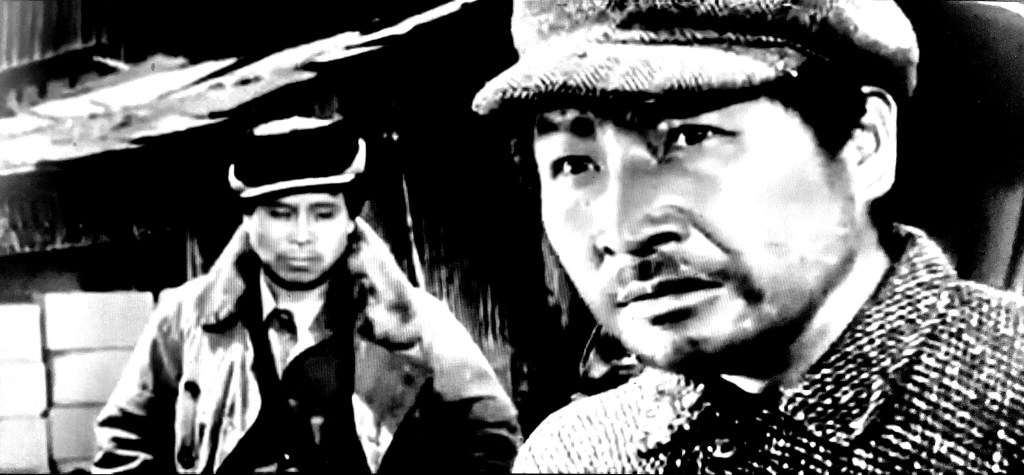
The little drama of the beautiful Ojaknyeo, assistant on the estate of landowner Park Yong-je, managed by his nephew Park Hun, for whom it is obvious that the beautiful woman harbours deep feelings, is immediately complicated when the Second World War ends and her hateful husband, Comrade Choi, returns. He is an alcoholic and violent man who, as if that were not enough, takes advantage of the new communist regime on the very day of his arrival. Boasting that he was in the mines, showing off his tattoos like a 9-year-old boy and shouting nonsense until he goes after Park Hun and insistently takes him to the bar, only to insult him. Meanwhile, the good-natured Nami’s father is murdered after being appointed by the communist leader as the new representative of the Yangji-myeon Peasant League. Seeing the face of the deceased Nami’s father (when he received the appointment) is to understand the mentality of a large part of the population that is exploited by those in power.
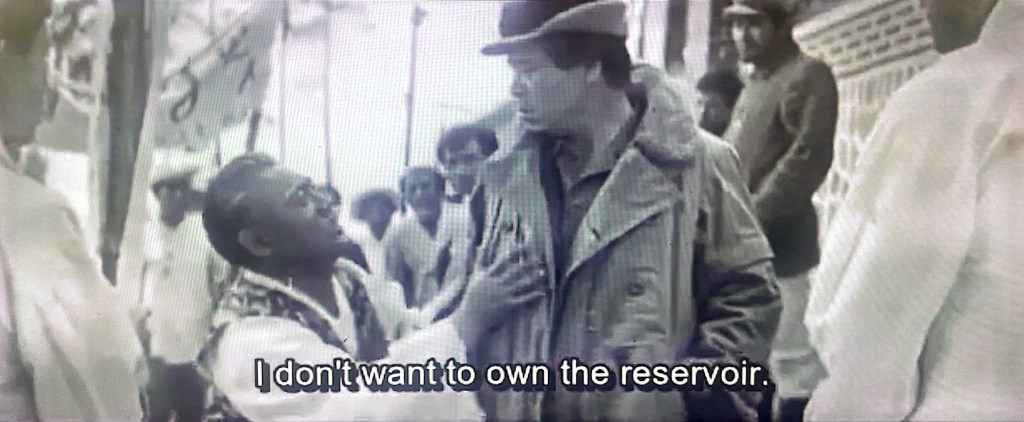
As I have said elsewhere, the faith that people have when they are appointed as members of government bodies makes them believe that they can control their environment, but also, I repeat, that the leader, whether of a dictatorship or a populist government, loves the people and lives like the people. The poor man’s eyes sparkled with joy, I imagine just like the people who receive cash handouts in countries with exorbitant levels of debt, but this is a population that supports corrupt leaders in populist governments such as those of Evo Morales, Hugo Chávez, López Obrador and Sheimbaum, whose entourage of ministers and secretaries of state in the cabinet pretend to be communists and champions of the people, while the Secretary of Public Education has his children studying at expensive private universities or uses private hospitals and clinics even though there is a serious medical crisis—even simple antibiotics are in short supply—in the public health centres for which they themselves are responsible.
As soon as Nami’s father died, another was appointed and the matter was settled. Meanwhile, the assistant to the dispossessed landowner, Ojaknyeo, was beaten with kicks and sticks by her own father, to such an extent that she needed medical attention. Park Hun had to search everywhere and finally confront Dr. Kim to ask him to treat Ojaknyeo’s wounds. A neighbour is surprised by Ojaknyeo stealing pans and utensils from the farm that was recently expropriated from Park Hun by the communists. She says they are borrowed, but how can you claim to borrow them if you don’t even tell anyone you are taking them? The other villagers drink and mock her during the night (00:46:15 and following minutes), licking their moustaches in anticipation of the feast they will have with the expropriated property when it is soon distributed to all of them. ‘So you really believe that this land reform is real? But you’re a carpenter, what will you do with arable land?’ and so on.
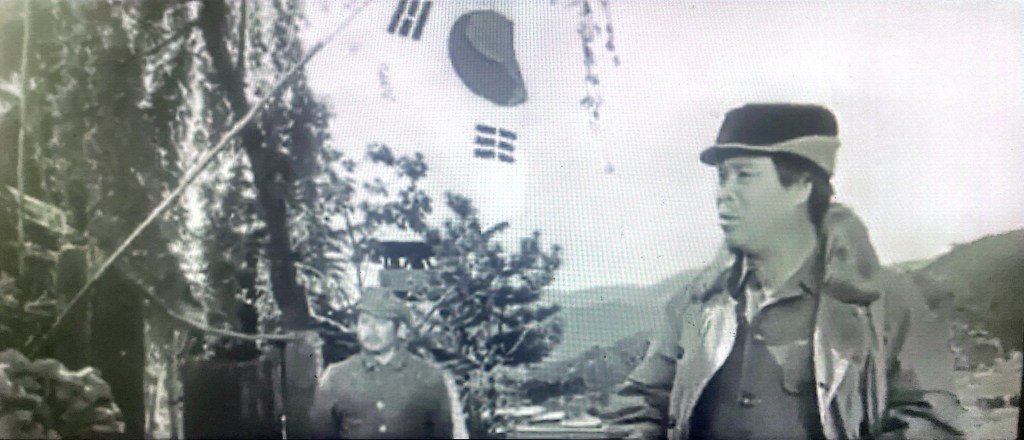
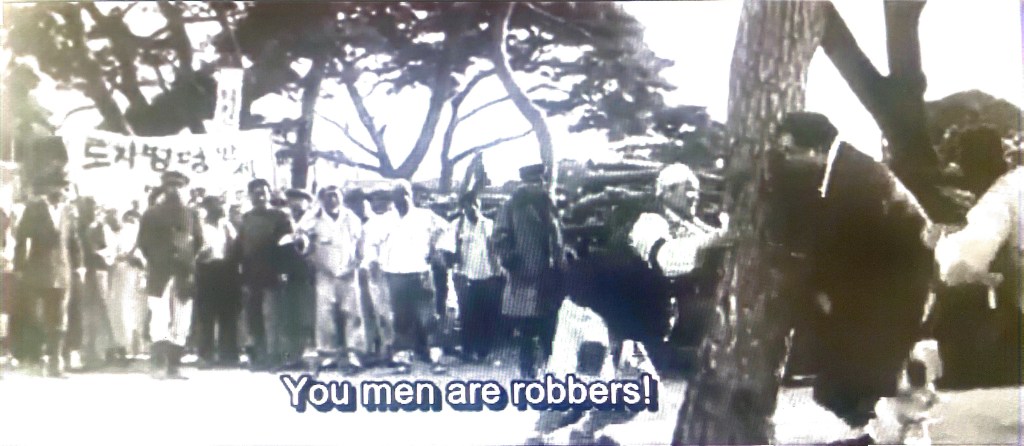
The communists set up a whole ‘theatre’ in the open air and call it a court to strip the landowners of their property, but also to use the angry mob, that is, as I said, to manipulate the people present with the ad baculum fallacy (appeal to fear), intimidating the crowd present, see 00:58:45 and following minutes. ‘What are you waiting for? I wouldn’t want you to hesitate and risk being accused of being reactionaries too.’ In the end, Choi, Ojaknyeo’s husband, is killed by Soviet officers, and stripped of his property, Park Hun takes refuge and plans to leave that place in a boat he has paid to have ready in a day. Unfortunately, events unfolded in rapid succession. first the ‘ghost’ of Old Man Do-seob appears wandering near the river, but in reality he was insane after being stripped of his possessions and is shot dead by the communist leader.
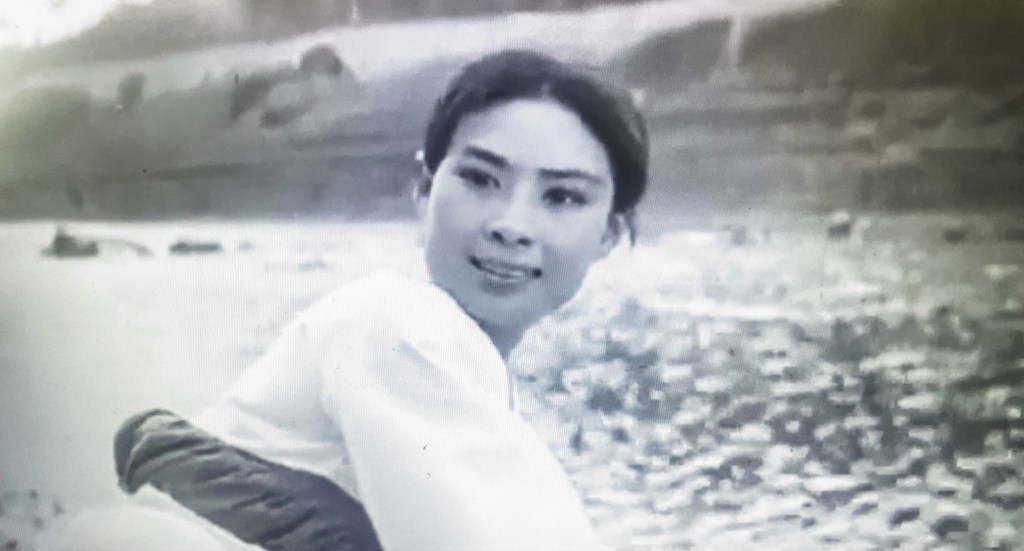
Then, when Sam-deuk threatens to kill Ojaknyeo’s old father to make him pay for his opportunism and betrayal, Park Hun decides to go ahead with the dagger at the cost of sabotaging his escape. Park Hun stabs him, and the old man returns the blow with a hoe until Sam-deuk arrives. The big loser was Ojaknyeo, who never stopped being in love with her boss, who, in a premonitory gesture, had tried to give her a ring that belonged to his mother and other things that were meant for his wife when they got married.
 Pantagruel´s liquor
Leave a comment