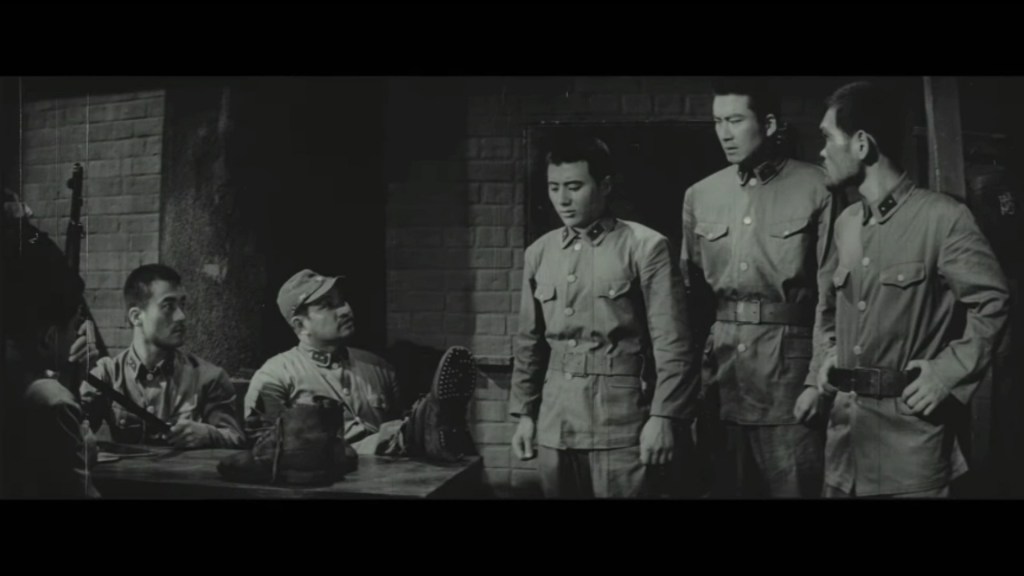
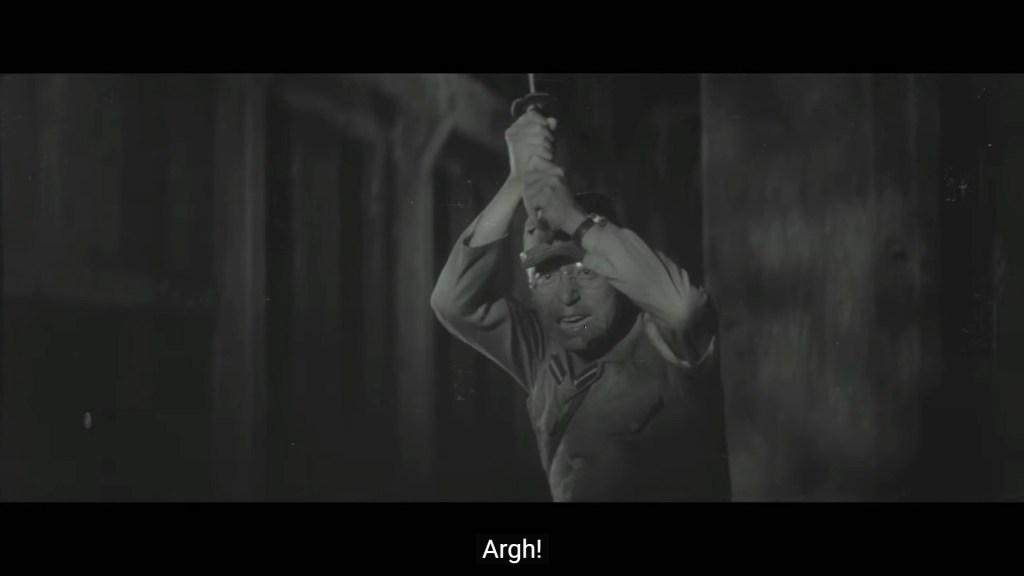
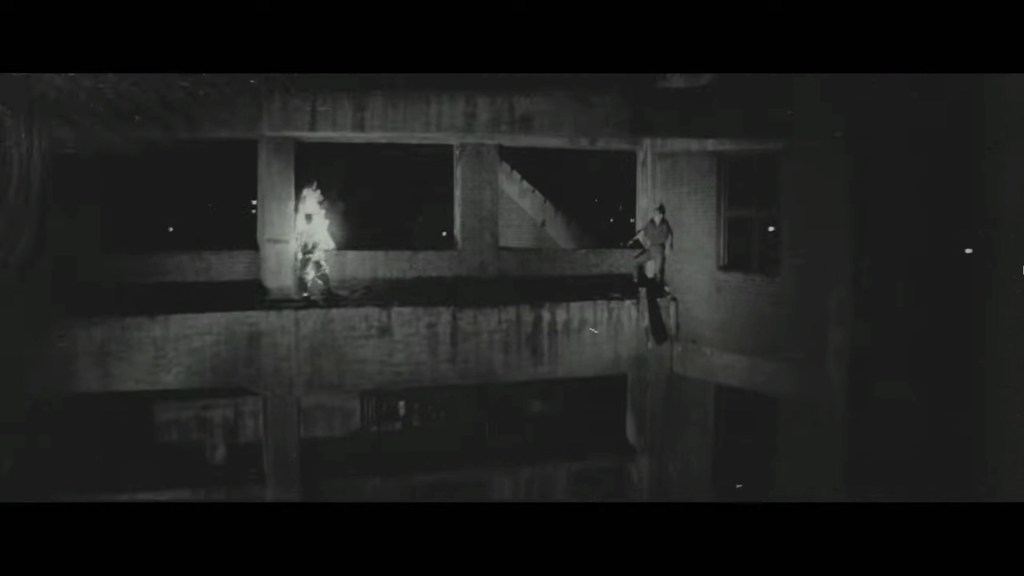
It could have been a 5-star film, but the ending ruins everything. It’s very Disney-esque in its improbability: the protagonist throws matches and sets fire to the fascist Japanese soldier who threatens to cut him in two with his sword, then walks through a field of corpses towards his wife after surviving the Allied bombing. This is perhaps the only stylistic criticism that could be levelled at this work, whose melodrama lays bare Japanese imperialist oppression during the Second World War through the abuse of power and physical mistreatment of Sergeant Mori and General Koiso against the Korean Aroun and his friend Inoue. From the moment he arrived at the military camp, he was subjected to direct racism and then physical violence and humiliation. Sergeant Mori, a Japanese man, began humiliating Aroun by forcing him not only to clean his boots, but also to lick the soles smeared with excrement and then swallow his own saliva.
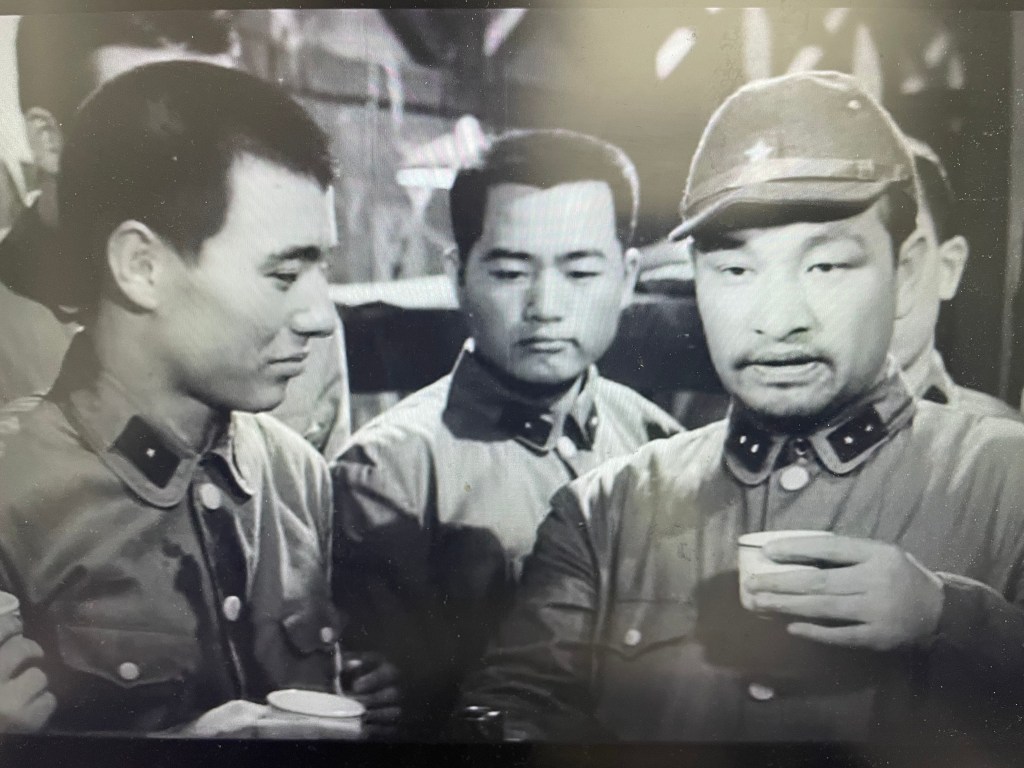
Earlier in the dining hall, both were beaten and forced to eat the leftovers of Mori and the others. Kim Ki-Young trusts in the spiritual balance of human beings, for while Mori and the general force them to behave like animals, the sea will remain with the abuses and arbitrariness suffered by the Koreans who were treated worse than animals.
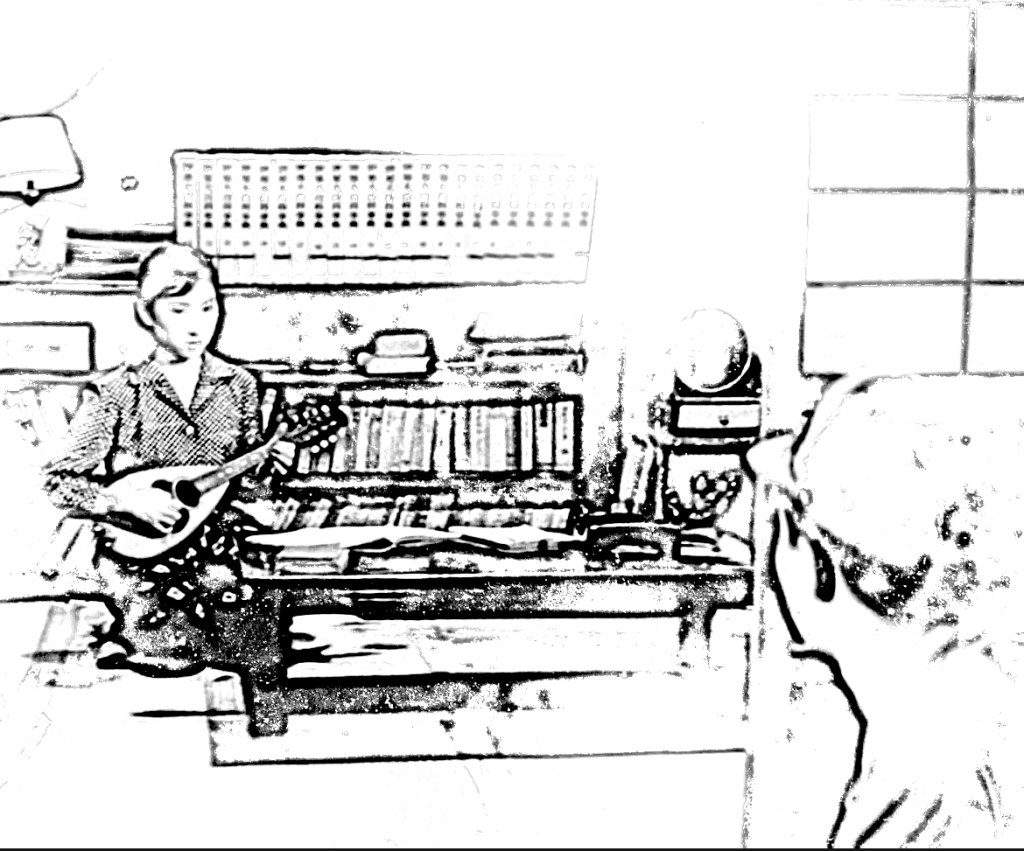
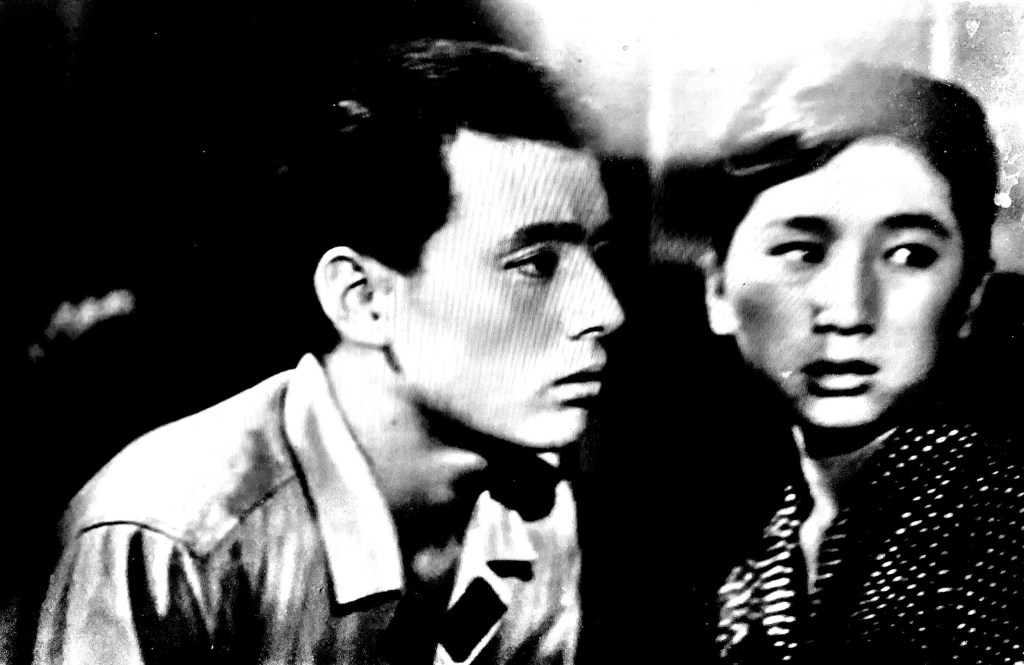
Despite the bitter passages for Aroun, the young man manages to win Hideko’s attention and then her love, without intending to, even with his own resistance to Japanese culture, which on the one hand offended him through a crazy soldier with a sword, and on the other filled him with joy with her unconditional love (she confided to him in private that she was a virgin). She shows him her wedding dolls and dances while he, Aroun, plays the instrument beside her, next to the altar in her home, in one of my favourite scenes because of the spontaneity of their friendship before their marriage. The length of the film is justified because later Sergeant Mori forces Aroun to mistreat the new recruits who arrive at the barracks, such as Suzuki, who obviously refuses at first. Hideko also loses her father at the front and has to fight with her mother for the love of a race that many Japanese by definition deplore.
This is how the fire or loss of weapons and ammunition occurs in a bombing raid, and Aroun is punished along with Suzuki for being the ones who guarded the Emperor’s arsenal. When a couple of American soldiers are taken prisoner and locked up in the barracks, Mori discovers that Aroun speaks a little English, as the American asks for food. Mori, full of resentment, immediately tries to make Aroun look like a threat because, by speaking English, he could give information that could be considered espionage. He even sets a trap with a foreigner who asks him in English to pass him the keys to get out. Fortunately, Suzuki finds out about the plan and creates a false violent incident to get himself arrested and inform his friend Aroun as soon as he is taken to the dungeons under his custody. He does not take the bait and the foreigners are shot, although later, in a brawl in the dining room, Suzuki loses his temper in the face of a new insult from Sergeant Mori and cannot help but kill him. The fight scenes deserve special mention, as they were filmed on a low budget, which highlights the creativity of the models and other elements, as well as the enormous liveliness and unparalleled technical execution, especially in terms of photography.
 Pantagruel´s liquor
Leave a comment