
طالعين عالجنوب ‘Up to the South’ is an interesting double dismantling, both of the official construction of the global political and social imaginary regarding the Israeli occupation of the South Lebanon (including the first Lebanon war on 6 June 1982 and later the Second War in 2006 with the UN Resolution) and of the discursive possibilities of the documentary genre, which, like television news and other media outlets, support their reporting by taking things out of context.
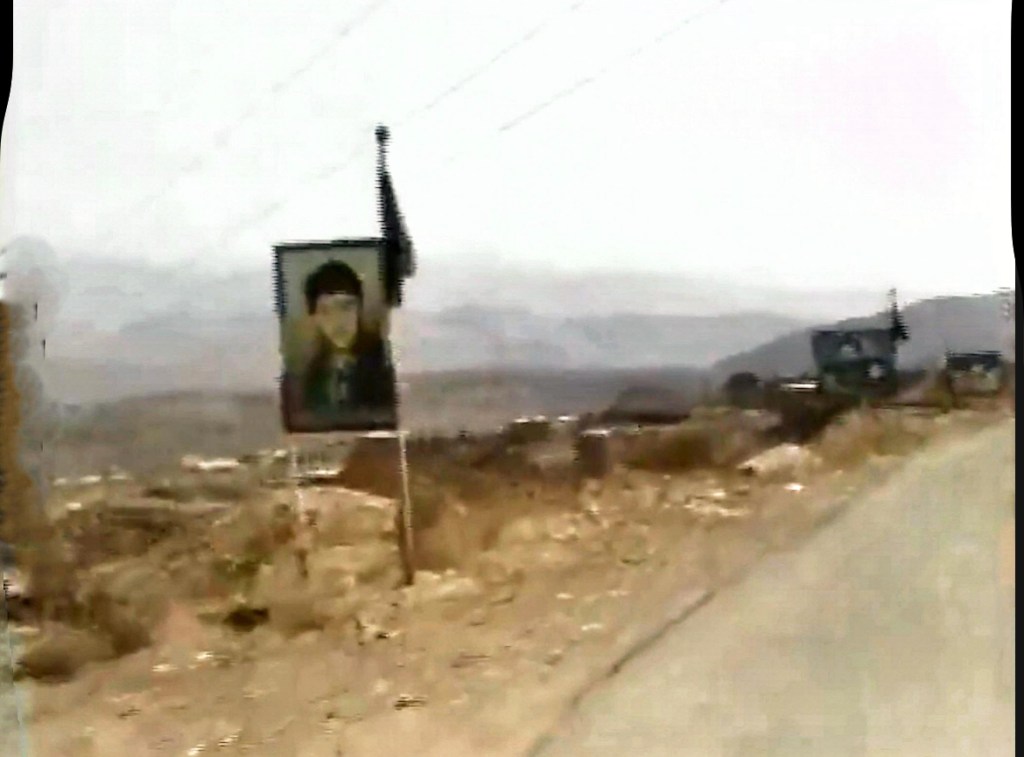
The director not only interviews a diverse range of people living in the conflict zone, from Shiite Muslims to former soldiers, but also drives around in his vehicle and asks passers-by or interviewees to show him which parts of the mountains are Israeli and which are Lebanese. One of the interviewees, a former prisoner who spent four years in a detention centre, sums up the conflict in which the UN plays a useless role, observing how that small enclosure where he was held captive “perfectly reflects the events and history of my country…That detention centre was built by the British or the French, but in any case under French control during the League of Nations Mandate from 1920, after the First World War, until independence in 1943, although the French left the country three or four years later.

The Detention Centre then passed into the hands of the Lebanese Navy and was later occupied by the Palestinian resistance and the Lebanese Nationalist Movement, which was followed by Sa’ad Haddad’s Army, founded by Israel in 1976. After Haddad, the Israeli forces already stationed in the Ansar plains converted it into an “official” where a hundred defenders of their land are still held captive. Another interviewee points out the paradox of war conflicts, when good and evil become mixed up and, over time, indistinguishable: “The resistance initially emerged when the Israelis occupied southern Lebanon, and now Israel declares that it will not withdraw from the area until the resistance is abolished. In short, they reversed the responsibility for the conflict in order to prolong it. But ‘Up to the Sea’ draws attention to the phenomenon that Noam Chomsky has long addressed regarding the distortion of facts by misrepresenting the definitions of ‘war,’ ‘truth,’ ‘terrorism,’ and so on. Chomsky has thoroughly analysed the discursive manipulation of concepts such as ‘terrorism’, “resistance” and ‘democracy’ in Western political and media discourse, coinciding with the criticism raised in Talaeen a Junuub.
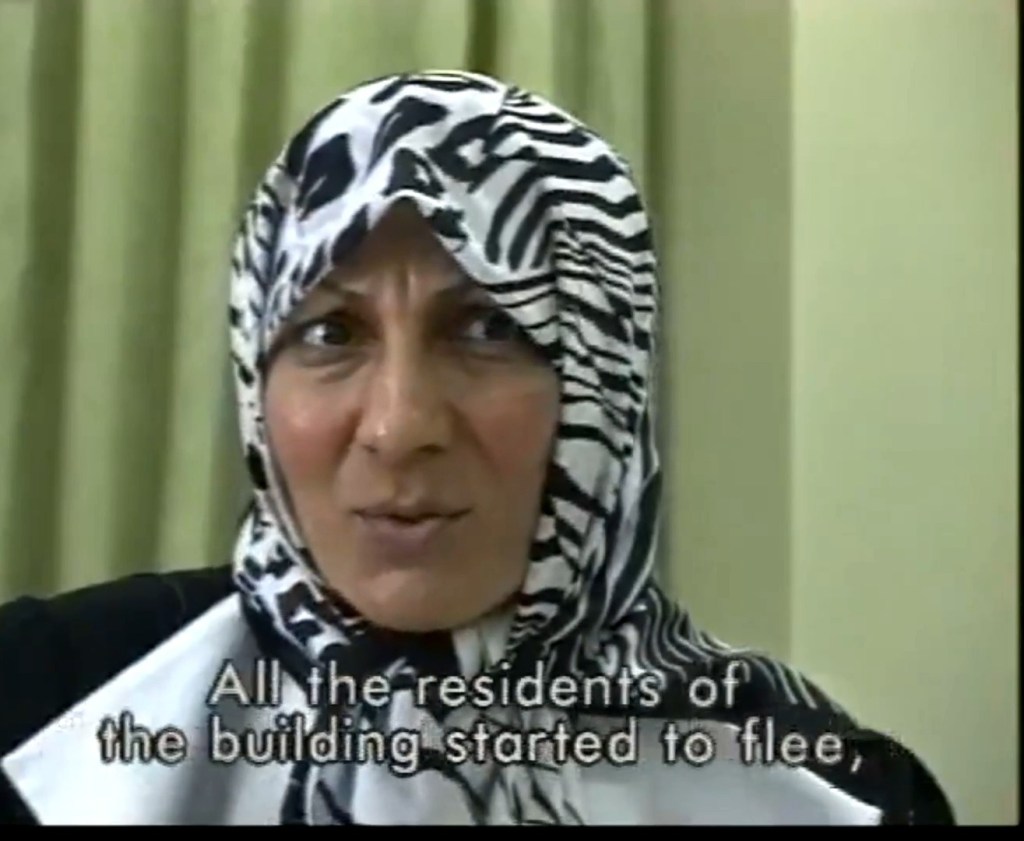
Chomsky argues in ‘International Terrorism: Image and Reality’ that “terrorism” is applied selectively: actions by non-state groups allied with the West rarely receive this label, while its use is amplified against geopolitical enemies. In fact, terms such as ‘humanitarian intervention’ or ‘promotion of democracy’ conceal interests.
 Pantagruel´s liquor
Leave a comment