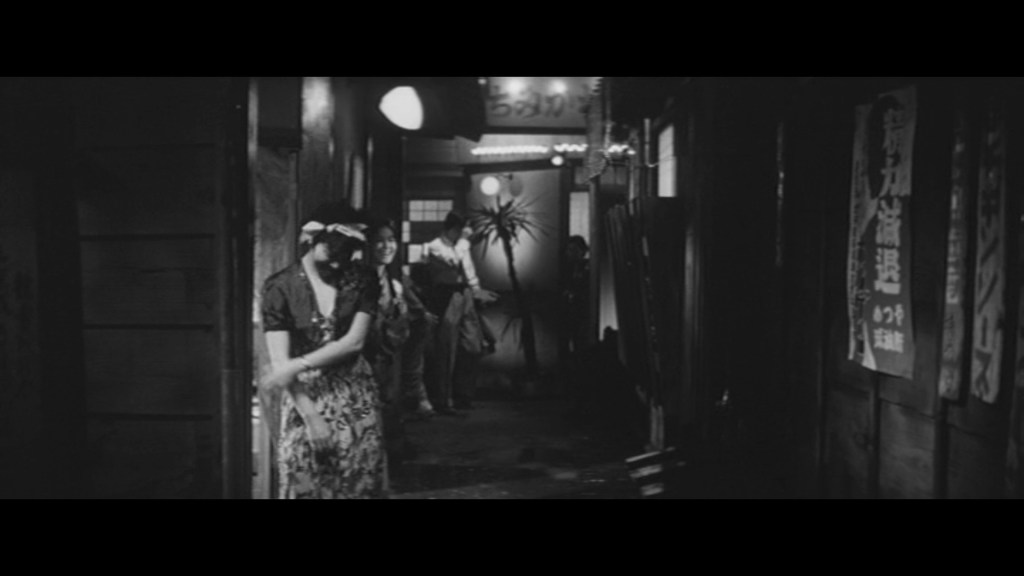
Naturalistic painting of pre-war Japan in the last century by the fierce traditionalist Kafū Nagai, who, not surprisingly, was strangely admired by Patrick Modiano for having the same clinical eye as him, who has taken us by the hand through the distinctive streets and avenues of 19th-century Paris. XX; In his Danchōtei nichijō (断腸亭日乗), a personal diary, Kafū Nagai criticises the emerging women’s fashion in an entry dated 1937, describing it as ‘provocative and vulgar’, reflecting his nostalgia for the elegance of the past.

However, I believe that the main influence on this story is his ‘Another Story’: Bokutō kidan, also from 1937, because it revolves around the depressing relationship between an ageing writer and Oyuki, a prostitute trapped in debt and family betrayal, symbolising pre-war social corruption. The nostalgic constellation of souls who populate the Tamanoi neighbourhood of Tokyo, with their capricious destinies, are prostitutes with dreams and toughness, with illusions and cruel disappointments. Of course, today, areas such as Kabukichō (in Shinjuku) have taken their place as centres of nightlife in Tokyo, unlike in the 1930s when the story is set.
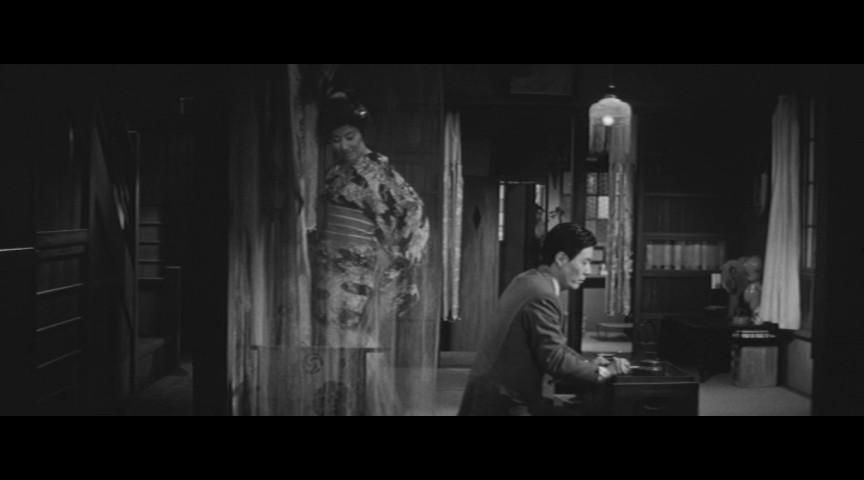
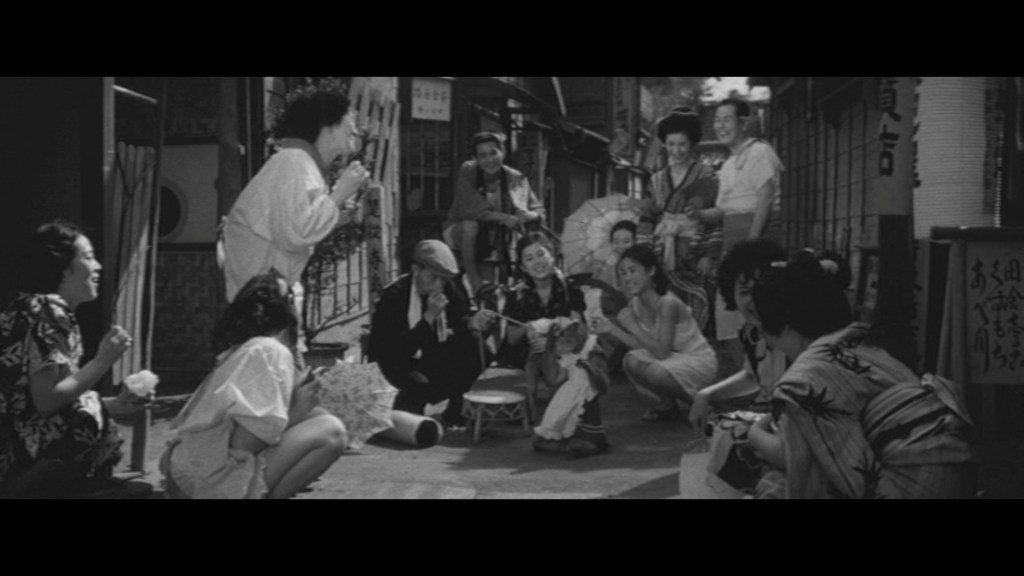
The canvas — sublimely accompanied by the music of composer Ikuma Dan — becomes excessively melodramatic for my taste, but with an undeniable charm and quality in the plot; the women sitting by the window in those pavilions endure the heat, the humiliation and, on certain occasions, the unfortunate fading of the love they believed to be true, authentic and forever; Otame and her constant joy, the fall of the passionate Ofusa, the sad image of Omachi-san, sick and playing the harp, and in the centre the cheerful Oyuki, who works there to cover the expenses of her sick mother but is deceived, without knowing it until the end, by the uncle who lies to her, pretending to send money to Gyotoku, but at the same time receiving constant visits from the impoverished teacher with marital problems with the boisterous and childish Mitsuko, who at the end of the day is warned of his love affair. husband who visits the same geisha, although in the end he cannot promise Oyuki anything certain and, sick with septicaemia, ends up in hospital. The narrative is taciturn and calm, because it waits for the rain to enter the alleys of Tamanoi, but we are also walking with the narrator east of the Sumida River.
 Pantagruel´s liquor
Leave a comment