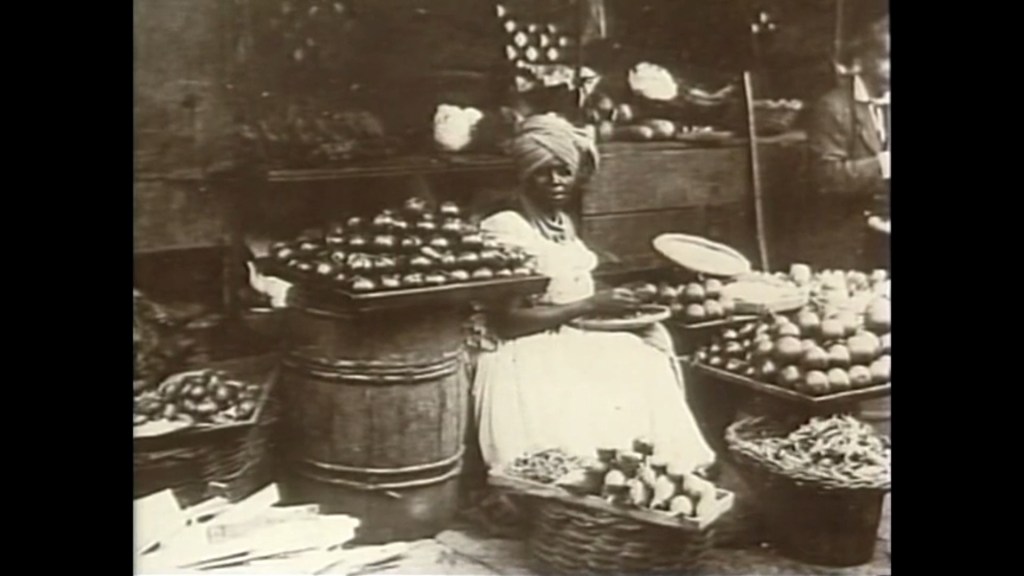
As Brazilian philosopher Lélia Gonzalez pointed out in her work ‘Por um feminismo afro-latino-americano’ (For an Afro-Latin American Feminism): ‘Brazil developed a sophisticated form of racism, characterised by the denial of its own existence, which makes it even more pernicious and difficult to combat’; she introduced the concept of ‘racism by omission’ (also called ‘racism by denial’), a structural form that denies its own existence through ideological and cultural mechanisms. A truly depressing work, but a wonderful historical source that could explain countless clashes in today’s hybrid cultural patterns. Postmodern philosopher Bauman argues that identities and social structures are currently fluid and precarious, creating insecurity and exclusion for many groups. This idea resonates deeply with the experience of Afro-descendants in Brazil after abolition, who, upon being freed, did not find a stable place in society and remained a ‘floating’ population between the countryside and the city, without roots or defined rights. The deliberate exclusion of Black people in favour of European immigrants, as part of a whitening project, also reflects Bauman’s notion of how modern societies construct and reinforce hierarchies through identity and belonging policies.
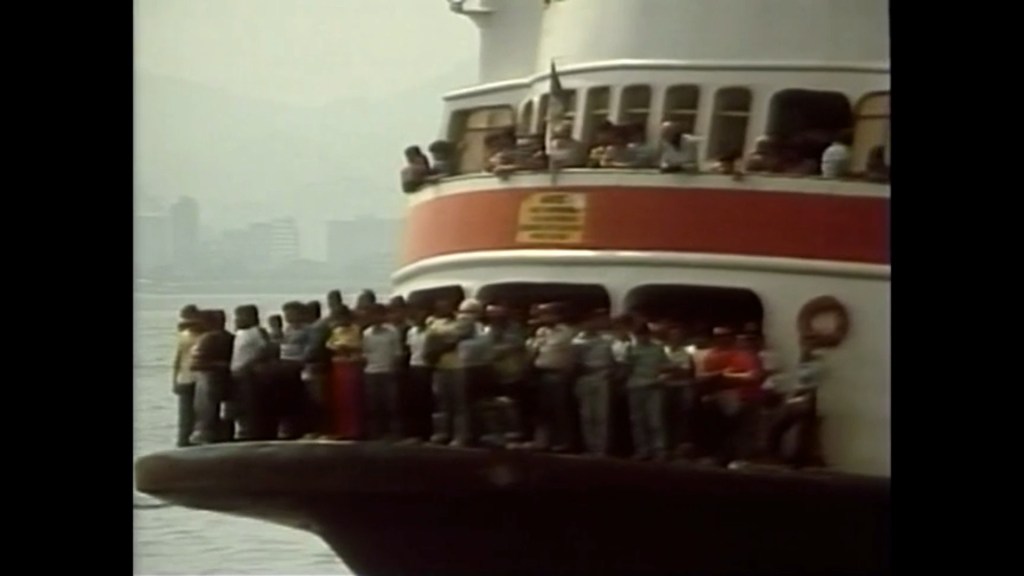
Unlike the indigenous people, who knew the terrain well and could resist more effectively, African men and women faced an immediate disadvantage in that they were unfamiliar with the region. This lack of knowledge greatly hampered their ability to defend themselves and organise struggles for their emancipation in the face of the brutality of the slave regime. However, despite these adversities, from the moment they arrived, they tried to resist, forming numerous quilombos, communities of escaped slaves that sprang up throughout Brazil, especially from the 17th century onwards.
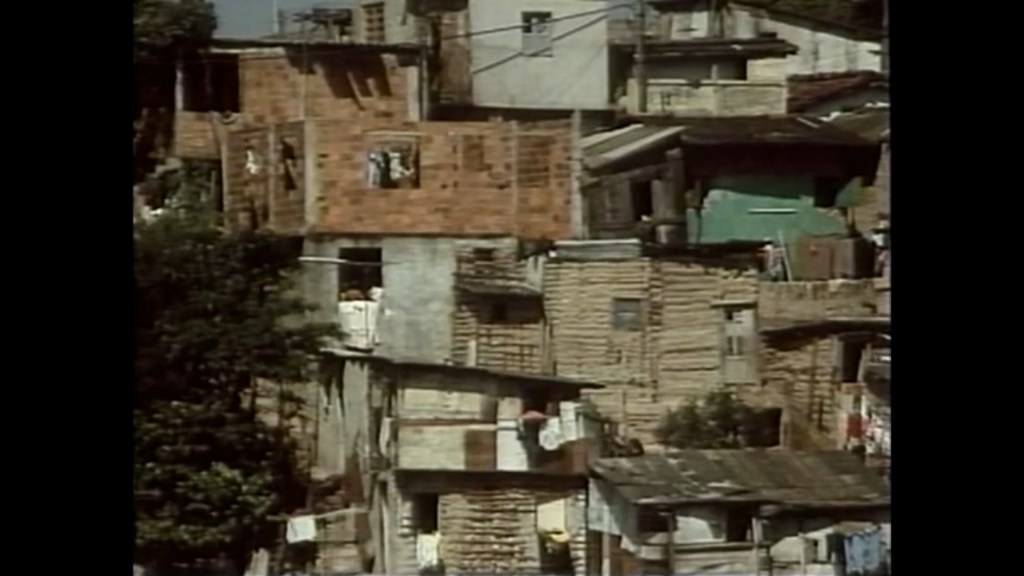
These quilombos, such as those in Rio Rojo, Itapicuru and Mocambo, represent a symbol of struggle and resistance, although historians still face difficulties in studying them in detail due to the lack of accurate records. Slavery continued to be a brutal reality, with entire families suffering the consequences of an inhumane system. A heartbreaking example is that of 160 people, men, women and children, who were transported by ship from Rio to São Luís on a 15-day journey, and then transferred to a brigantine bound for Rio de Janeiro on a three-month voyage. Tragically, all were murdered on board, a reflection of the dehumanisation that characterised the slave trade. Such atrocities were not isolated incidents but part of a system that denied enslaved people even the right to life or liberty. With the abolition of slavery on 13 May 1888, an event that appeared to be significant, it was only symbolic of a farce due to the lack of concrete measures to integrate those freed into society.

There was no agrarian reform or compensation for Black people, nor was a place for them envisaged in the new social order. If before they occupied a terrible place as slaves, after abolition they were left without a defined space, becoming a mass of unemployed people floating between the city and the countryside. This vacuum was deliberate, as the Brazilian state designed a project to whiten and eugenically improve the population, favouring European immigrants over Afro-descendants, who were systematically excluded from the labour market and full citizenship.

 Pantagruel´s liquor
Leave a comment