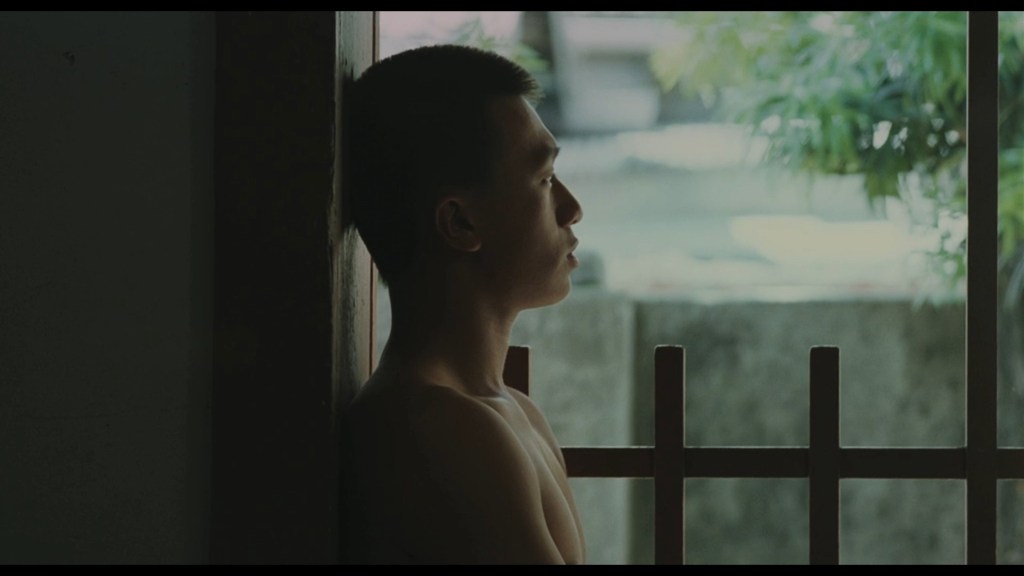
‘Dad planned to stay in Taiwan for only three or four years’ is the postcard that foreshadows the historical drama of a Taiwanese generation caught between two worlds. In 1985, when this work was created, Taiwan was undergoing profound change. Martial law, imposed in 1949, was about to be lifted (which would happen in 1987), and the myth of ‘returning to the mainland’ that had sustained the first generation of refugees was beginning to fade away in the face of geopolitical reality. The film is set precisely at this moment of historical transition, when Taiwanese society was beginning to confront its divided identity and seek its own path. Not only does it tell the story of a family marked by migration, illness and sacrifice, but it also invites reflection on universal themes such as the passage of time, belonging and memory. Hou Hsiao-Hsien’s work, set at a key moment in Taiwan’s history, transcends its specific context to speak of the human condition in all its complexity, reminding us that, ultimately, we live and die in the same instant, caught between the desire for permanence and the inevitability of change. It was Heidegger who, in Being and Time (1927), explored how human beings confront their finitude through everyday life and relationships with others. In Hsian-Hsien’s work, the father’s asthma and eventual death are not just physical events, but constant reminders of the fragility of life and how the time of living is inevitably intertwined with the time of dying. The mother’s dedication to caring for her husband for 20 years and the sacrifices of the children, such as the decision to study at the Teachers’ College, illustrate how love and duty give meaning to existence, even in the midst of adversity.A year after his arrival in Taiwan, the father wrote to his family on the mainland, enthusiastically describing, ‘It’s nice here, it has running water,’ a detail that revealed both Taiwan’s relative modernity and his modest expectations for improvement. Convinced of the opportunities this new territory offered, he asked his wife to bring the whole family to join him.
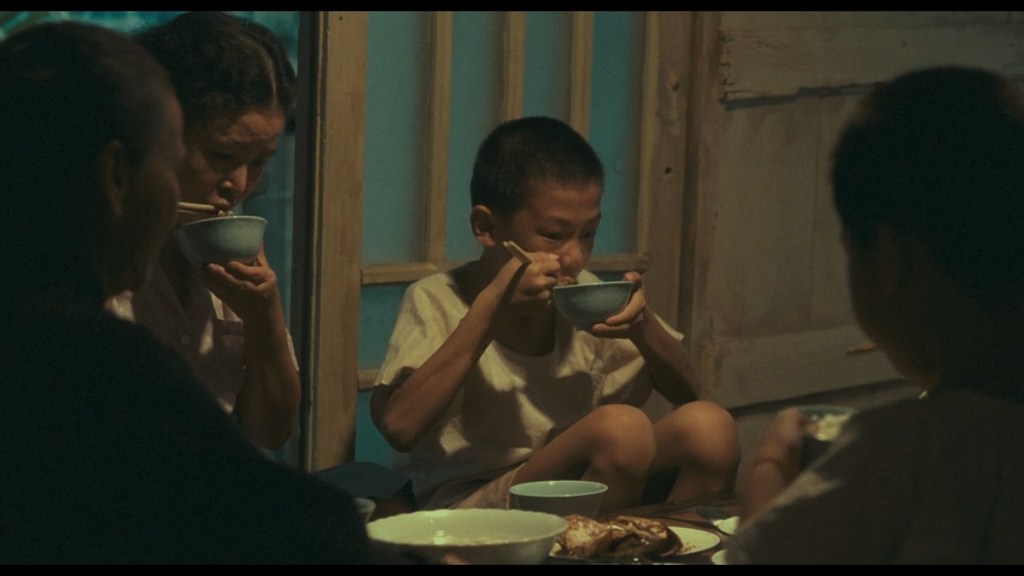
From chance to roots: by a twist of fate, the narrator’s father met Li Kuai, a former classmate from Zhongshan University who was then mayor of Taichung, Taiwan. Li invited the father to move to the island and work as his chief secretary, just in 1949. Life in Taiwan was far from easy for this family of mainland immigrants. With a monthly salary of $620, the father spent most of it on family needs, setting aside just $20 for personal expenses such as haircuts.
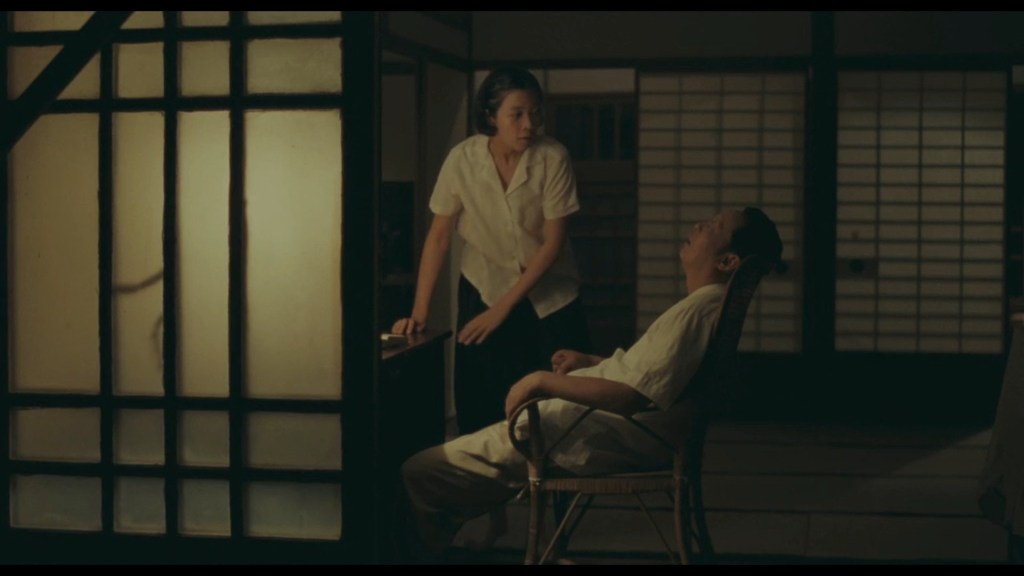
The mother, aware of the financial constraints, explained to her older children the need to make sacrifices: “So many mouths to feed… That’s a lot of food every day.” The humid climate of the north did not help the father’s health, and he developed asthma, a condition that forced the family to move south to Fengshan in search of a drier and more beneficial environment. This move took place when the narrator was in first grade, marking a significant change in his childhood and family dynamics. In this new home, the narrator’s memories are intertwined with important figures such as his grandmother, a woman over 80 years old who had the peculiar habit of earning ‘silver money,’ which she said would be useful in the afterlife, a reflection of traditional beliefs deeply rooted in the Chinese culture of the time.
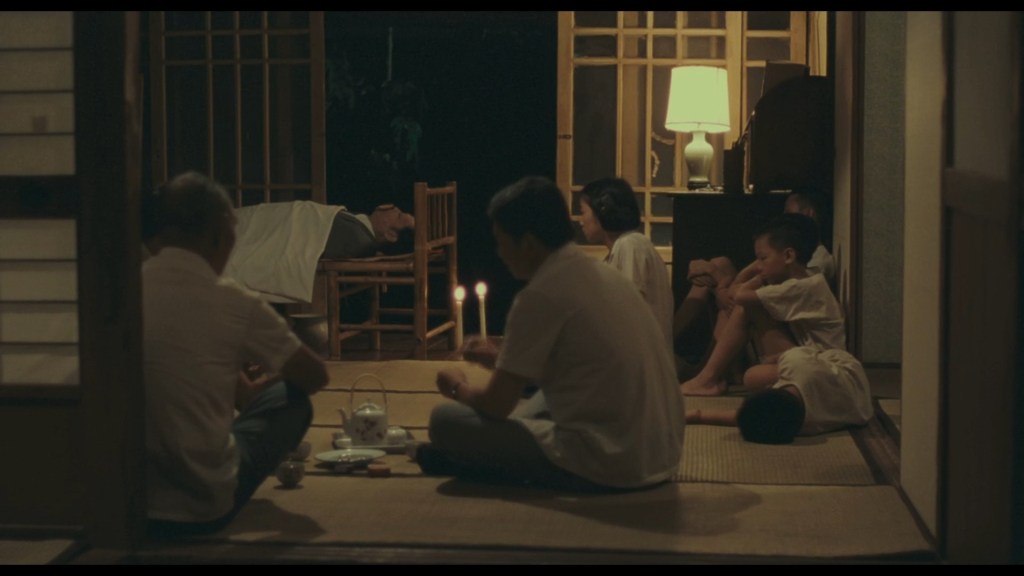
The relationship between the father and grandmother is also highlighted, showing the father as a devoted son who would not begin to prepare dinner without her presence, a gesture of respect and care towards his mother. In turn, the grandmother showed a special affection for the narrator, going out to look for him at dinner time and considering him her favourite, which underlines the deeply moral emotional ties that bind the family structure. Highly recommended.
 Pantagruel´s liquor
Leave a comment