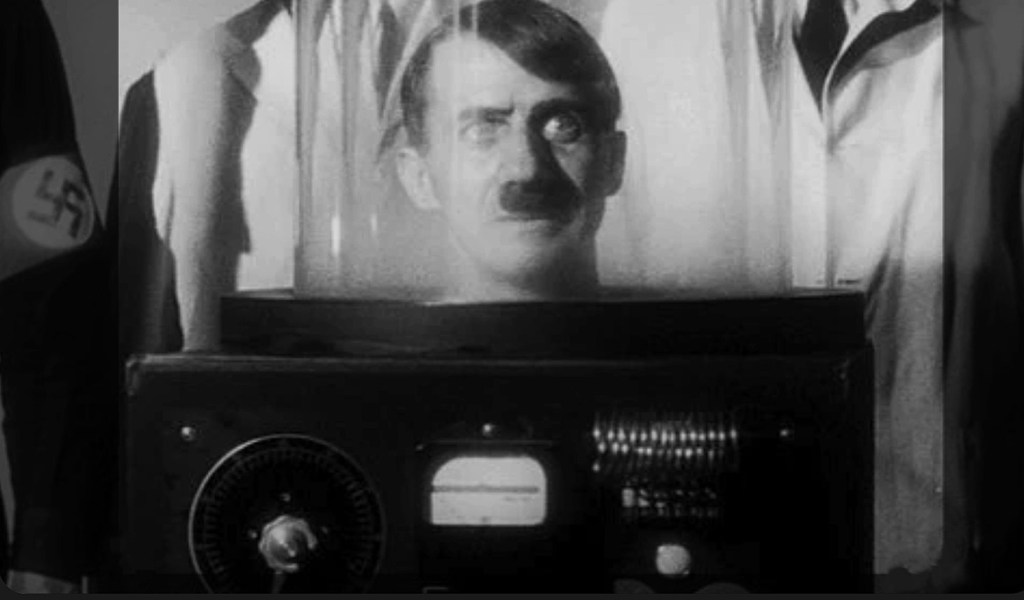
I can’t think of a better accomplice than Hannah Arendt to denounce this absurd, but not so absurd, fiction. Her analysis of the banality of evil and totalitarian regimes is explored in ‘The Origins of Totalitarianism’ and how extreme ideologies justify mass extermination, precisely as Gas G is planned to be used to eliminate entire populations.The coldness with which the characters talk about killing an entire city (‘At 12:15 a.m., everyone in this city will be dead’) perfectly reflects the dehumanisation that Arendt identifies as characteristic of totalitarian thinking. The plot unfolds when Professor Coleman, a scientist linked to the development of the antidote, is contacted by Frank Dvorek, who introduces himself as his new assistant. Simultaneously, Suzanne, the professor’s daughter, is kidnapped, while David, a close associate, is knocked unconscious during the incident. To make matters worse, Phil Day, Professor Coleman’s son-in-law, becomes involved in the search for his father-in-law and sister-in-law. During his investigations, he encounters a man named Teo, who before dying reveals a crucial clue: Coleman is in a place called Mandoras.
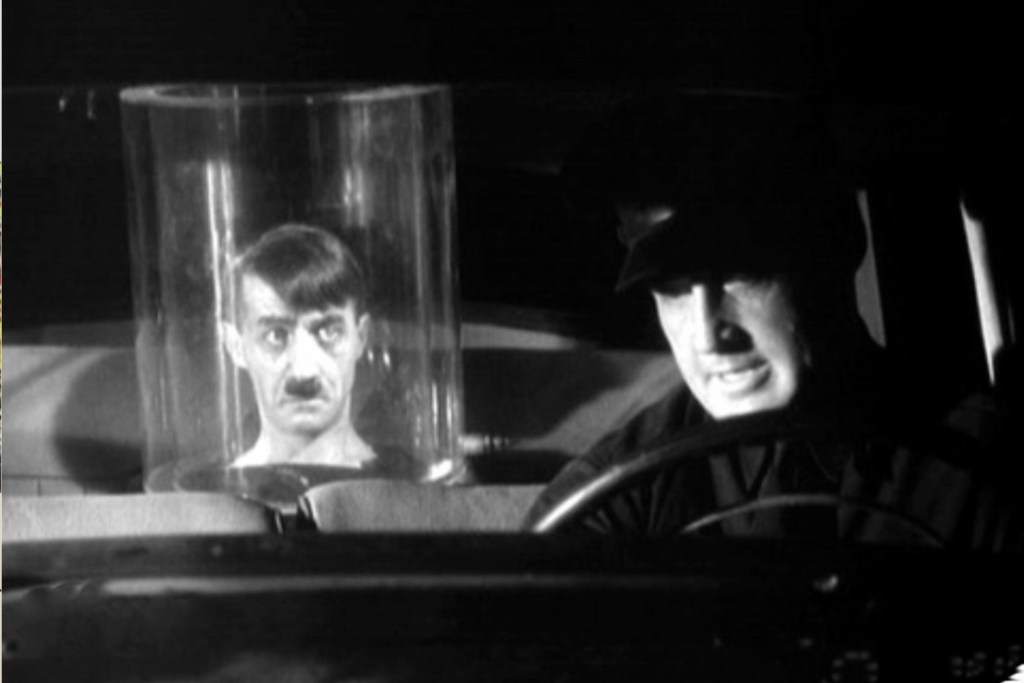
It is later discovered that Mandoras is a refuge for former Nazis. Eventually, Suzanne is located, but it is discovered that Germans are involved in her situation. Complications arise when Phil is arrested on suspicion of murdering Vásquez. In an unexpected twist, President Padua reveals that Phil and Kathy have been used as part of a larger plan, unbeknownst to them. The final revelation: the climax of the story comes with a shocking revelation: Suzanne is not an innocent victim as believed, but is actively collaborating with the Nazis. The terrorist plan is to release deadly Gas G in the city at midnight, which would cause a catastrophe of unimaginable proportions.
 Pantagruel´s liquor
Leave a comment