
Review by Fernando Figueroa
Intelligent and sad. It must have been a sad and intelligent weapon to pretend to be the son of an aristocrat and, in the process, ridicule the banality of the communists he pretended to be. The protagonist was determined to achieve his goal and warned from the outset: either I get the transfer or I kill myself. Full of tricks, the insistent Li Hsiao-chang quixotically sets off for the big city of Shanghai to defend the honour of his girlfriend Ming-hua, who is two months pregnant. He leaves the Haitung collective farm in the province for ten days, much to the displeasure of his grumpy but good-natured superior.
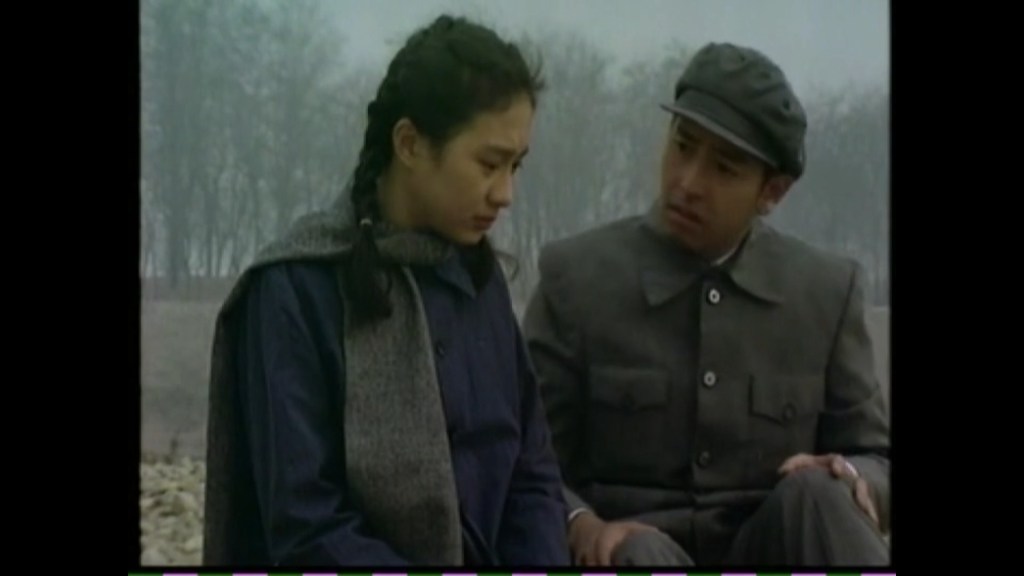
After repeatedly feigning stomach pains that did not exist, and seeing that his comrades’ attention was focused on Shen, the fat man, and his photos next to the pigsty, Li Hsiao-chang tried his act again without success until, out of stubbornness, he finally convinced his superior. Before reaching the big city, it occurred to the young man to stop at a liquor store to buy a bottle of alcohol for his future father-in-law. His eyes lit up when he saw the bottle of mao tai. Li Hsiao-chang knew full well that this drink, as confirmed by the shopkeeper, was a drink of high pedigree – and let’s not forget that the story is set during the Cultural Revolution that took place between the mid-1960s and the mid-1970s. Mao Zedong drank mao tai during his visit to China in 1972, where Mao Zedong offered it as a diplomatic symbol in the context of the Sino-American rapprochement.

Obviously, the young man couldn’t afford the $12.50, so he bought a bottle of cooking wine for $1.50 and asked the shop assistant to pour the cheap wine into an empty mao tai bottle. The comedy lies in exposing high-ranking government officials pretending to follow Mao Zedong’s ideological guidelines regarding the rejection of all forms of foreign cultural influence, very much in the Soviet image and style, even though Russia has broken off relations. The bottle of fake mao tai will pass from hand to hand – ridiculously – as an intelligent caricature of Taiwanese hypocrisy, as Li gives it to Chef Chao, who later gives it to Minister of Culture Sun.
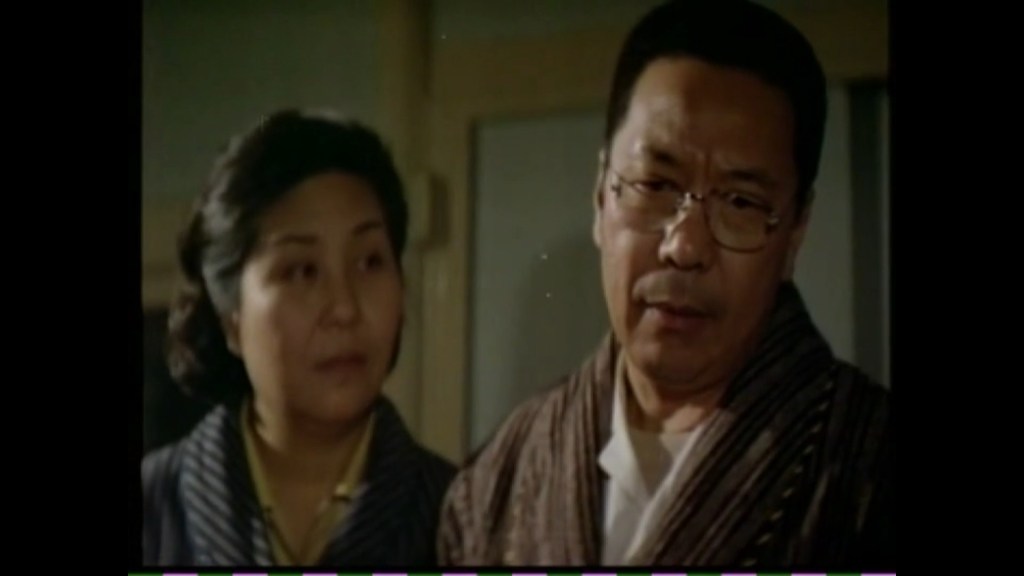
Li Hsiao-changLi’s urgency to see Ming-hua makes him go to see her and, while he is there, give her father a gift. However, her father treats him coldly and almost with disdain. He does not want any man who works so far away in factories and collective farms near his daughter. His desperation makes the young man lose his head and he first deceives Chief Chao with a phone call, or rather, impersonating Chief Ma’s secretary and informing her that Li Ta’s son, another high-ranking official, would be visiting her. Between one deception and another, and then another, he gets closer and closer to his goal of getting someone in the small circle to use their influence to transfer him so he can live with his wife and the baby that will soon be born. This is how he meets the actress Chiao Hung and continues to deceive the official, claiming that he knows Uncle Wu, who, fortunately for the young rogue, is travelling in Huangshan or Japan and has said he is staying at the Nanhu Guest Home.

By a hair’s breadth, he was beaten up by the local youths, and then the inevitable happened: Li Ta, the supposed father, arrived and confronted Li (well, at least you have the same name as me, you do have something in common with me, even if you’re not my son, which is a crime), said the old man. It is not surprising that none of the officials agreed to support him in his transfer. It is in keeping with a regime in which few people made important decisions. How grateful I am that this is not a Netflix or Disney film and that the ending is not unrealistic and silly, as if happy endings had occurred in real life in oppressive circumstances such as these. The next thing we will see is Li in prison. Actress Chiao Hung even lent him a mirror so he could see himself, dishevelled and aged in a short time. Li soon proved he was serious when he embarked on his crusade to secure his transfer from the farm, even if it meant resorting to deception. Nor did he lie when he said he would kill himself if he did not succeed.

 Pantagruel´s liquor
Leave a comment