
Review by Fernando Figueroa
It twists the soul that the fate of the children in this film has been and continues to be that of millions who sell corn and eggplant sweets on cruise ships in the centre of the metropolis for 150 yuan instead of being in school. Under the pretext of Li Shixiang’s character searching for his sister in Taipei, Jen Wan plunges us into this little-known gem of 1980s New Taiwanese Cinema and exposes the other side of the Asian giant’s development, which during the 1980s was called ‘the Taiwanese economic miracle’.

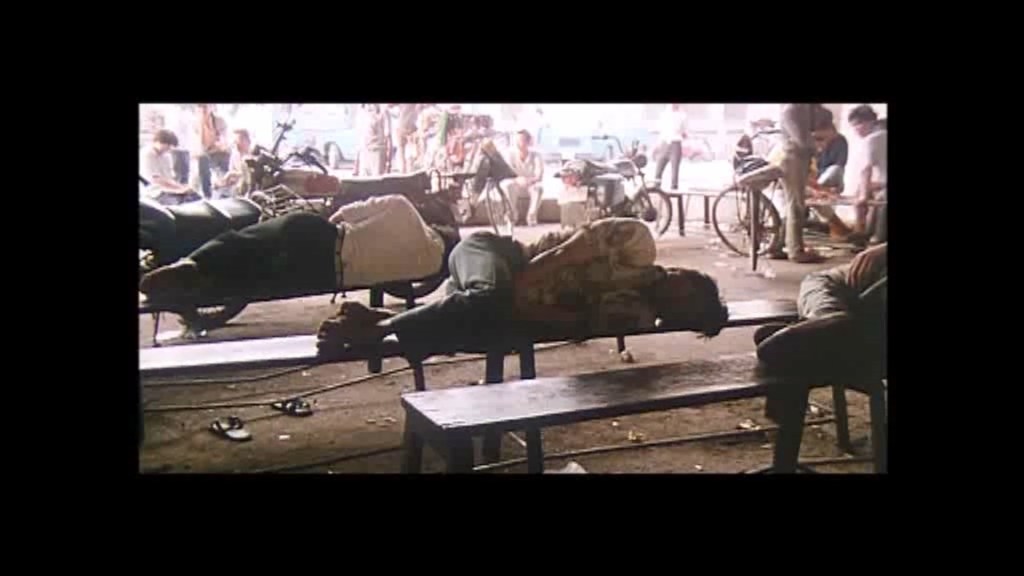
From their arrival in the huge city, with shacks and homeless people begging, but surrounded by huge financial skyscrapers, the serious contradiction embodied by the characters with their precariousness and daily survival is revealed. On the one hand, there was enthusiasm for the promise of international financial and economic prosperity, and on the other, Jen Wan reveals the other side of the coin. This valley of tears and sorrow that the New Wave filmmakers sought to document, the experiences of the reality of those who did not appear in the official discourse on national progress, despite the fact that they were emerging from the White Terror of the 1950s and 1960s. For example, the children in this story, so beautiful, no more than five years old, Xiao Xiong and his sister Xiao Ying, neighbours of Li Shixiang, the children’s father, who is unemployed and drinks rice wine to avoid damaging his liver and health, according to him, and thus continue his modus vivendi by selling his blood to save money and buy life insurance that will one day allow his children to eat well and enrol in university.
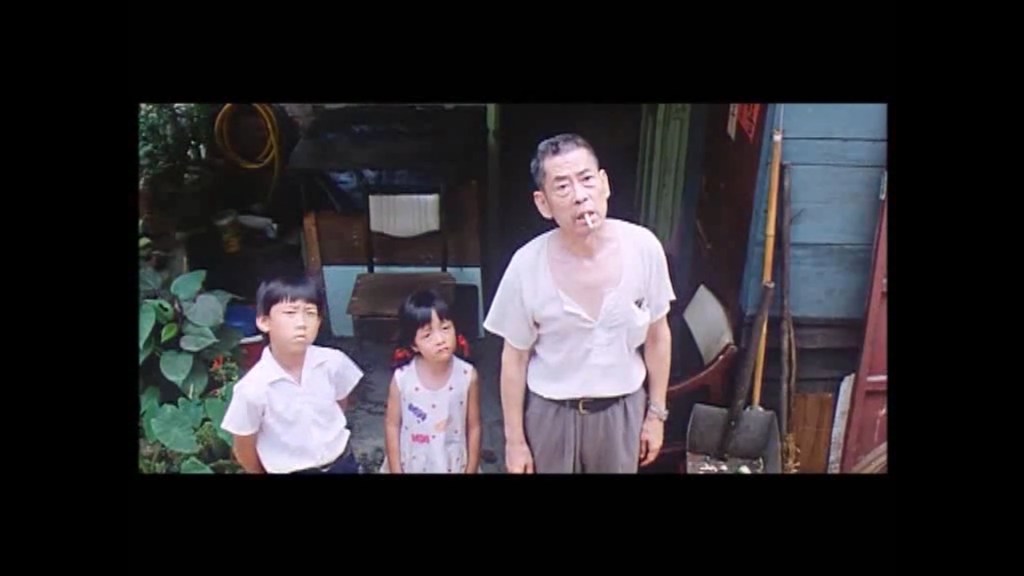
Meanwhile, Rolly promises young Li Shixiang that he will help him find his sister, but sooner or later he realises that he is only lying to him. At that moment, a commotion is heard in the neighbourhood courtyard where they are standing. The children’s mother and the alcoholic’s wife has arrived, exhausted from exhaustion and having made very little money, which she will not stop reproaching her husband for. The portrayal of urban poverty in the film does not deny the ‘Taiwanese miracle’ or what was called optimism in the macroeconomic growth indicators, but rather qualifies it, showing that this process benefited the population unevenly. Let’s look at a traffic officer or representative. Will anyone pay him? Later, we see him on a city bus managing passengers, and then in his dirty, cracked concrete shack, reciting a kind of Taoist or mystical mantra. This disparity reflects the tensions inherent in a process of accelerated modernisation where industrial transformation produced both opportunities and significant social displacement, especially the migration of people from the countryside to the factories.

But according to Wikipedia, at least 4,000 factories were moved from Taiwan to the interior of China, worsening unemployment among the least skilled or least prepared for technological change. In the film, Li Shixiang is deceived by a girl on a motorbike who tells him she will take him to see her sister, but once he has paid 300 yuan for both tickets, she simply disappears. He later finds her on the same street with other seemingly vagrant young people with tattoos, and when she becomes pregnant, it is Li Shixiang who turns his back on her, lying that he is her boyfriend.

He was even willing to pay for her medical expenses, but she ran away again. Li also saved Rolly, the petty thief who was planning to run away with his fellow gamblers’ money, from a beating and was apprehended by the same locals while trying to steal a car. The characters are alive, flesh and blood, in a paradoxically critical moment. In the end, about to leave without having found his sister, the ending is emotional but respects the uncertainty of the 1980s, which Jen Wan crystallises as follows:
1. To highlight social realities that the official discourse on development tended to omit.
2. To analyse the contradictions inherent in rapid economic growth.
3. To tell the stories of those left on the margins of progress.
 Pantagruel´s liquor
Leave a comment