
When this harsh, raw melodrama was filmed during the White Terror, the authoritarian Kuomintang KMT government was in power. This would explain why it has not been screened or reviewed, and why it has been ignored at festivals and competitions, with the exception of Film at Lincoln Centre in New York, which recently, although without regular screenings, has considered showing this work from the Martial Law era. Although it is not a work of art, it deserves applause for the simple fact that it explicitly addresses—even under the rule of the tyrant Chiang Kai-shek—maternal adultery witnessed by the son. Is it a masterpiece? No, I repeat. The ending ruins the story, and to that we must add some strange curiosities. Before I forget, I should mention that the film uses the same soundtrack, Ennio Morricone’s ‘Rodeo’, which was used a year earlier by Henri Verneuil in ‘Le casse’. Nine-year-old Ching Mao follows his immature mother in a rickshaw.
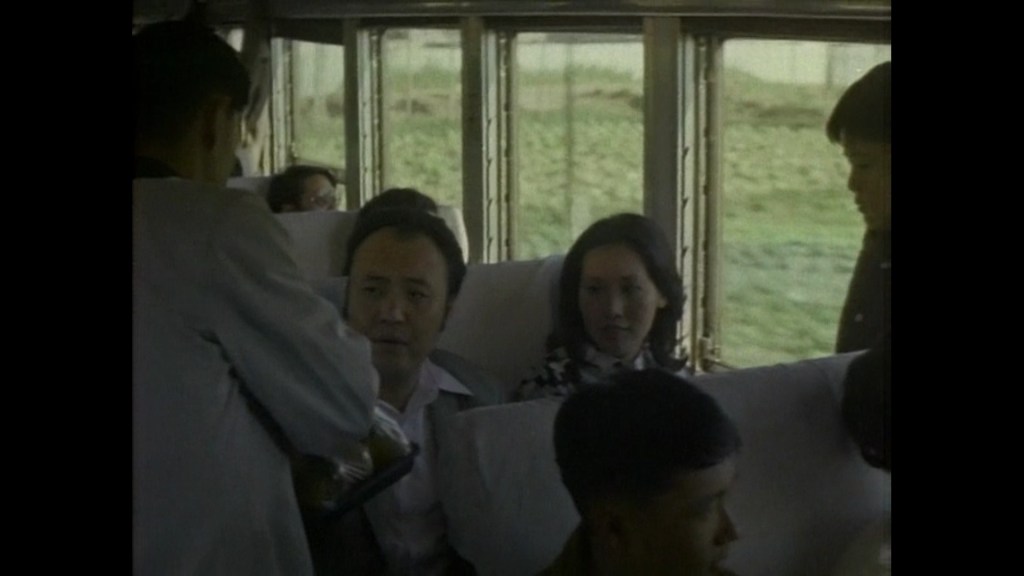
The mother constantly takes advantage of her husband’s illness, which prevents him from even standing for long periods of time, to abandon her children and go to bed with a man she met on the train while travelling with Ching Mao. The film jumps back and forth between his childhood and his teenage years, when he lives with his aunt Wu, his mother’s older sister. But just remembering his mother throws him back into his shameful past and causes him anger and sadness, as well as emotional conflicts with his female classmates. Practically half the film is taken up with the conflict with the girl who will become his girlfriend at the end, and the memory of seeing his father die in pain, depriving himself of medicine and sometimes food so that none of his children would go without and there would be enough to eat. The atmosphere is painful and tense because the son slowly loses respect for his mother when he sees that, despite catching her, she cynically continues to meet her lover and also blames his father for not getting angry or defending her honour. In the present, Ching Mao is a brilliant student who has lived with his aunt since he was a child, after his father died in front of him from a terrible shock when he saw his wife’s lover leaving their home.

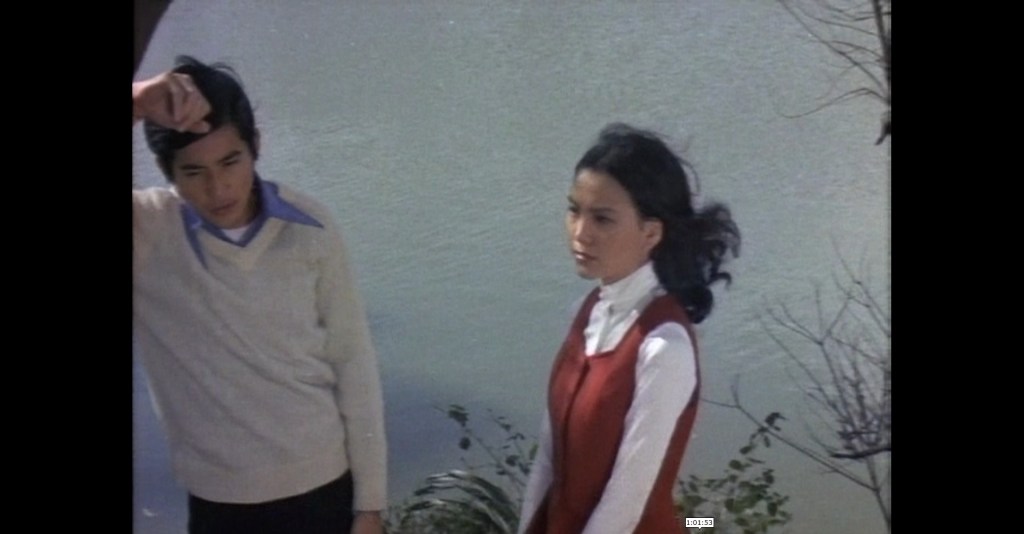
Ching Mao decided as a child to live with his aunt while his two younger brothers stayed with their mother. Shortly afterwards, his brother arrives, starving and crying, and tells Aunt Wu and his brother Ching Mao that the lover continued to visit her and took her away, leaving them both completely alone. Ching Ping, the sister, fell ill and after several days without medicine, she died before their mother returned. The height of irresponsibility, the lover tried to dispose of his own daughter’s body by wrapping it up as if it were rubbish or rotting meat. Over time, the brother becomes a lazy and apathetic son—just like his irresponsible mother—while Ching Mao wins a scholarship abroad. After distrusting his girlfriend Mei-Jung, generalising that all women could be like his mother, they end up reconciling, but in the end, after more than a decade, the mother wants her son back. Honestly, the director’s lack of skill meant that instead of ending the film like this, we see the mother running to catch up with her son at the train station to say goodbye. She doesn’t make it because the train has already left, although she shouts at Ching Mao from afar and loses her sense of space, being run over when she sees the carriage leaving, and her son sees his mother being hit. In short, instead of an open ending that leaves us wondering whether the mother was eventually forgiven, the director sacrificed the story for the most melodramatic ending of an already melodramatic story.
 Pantagruel´s liquor
Leave a comment