
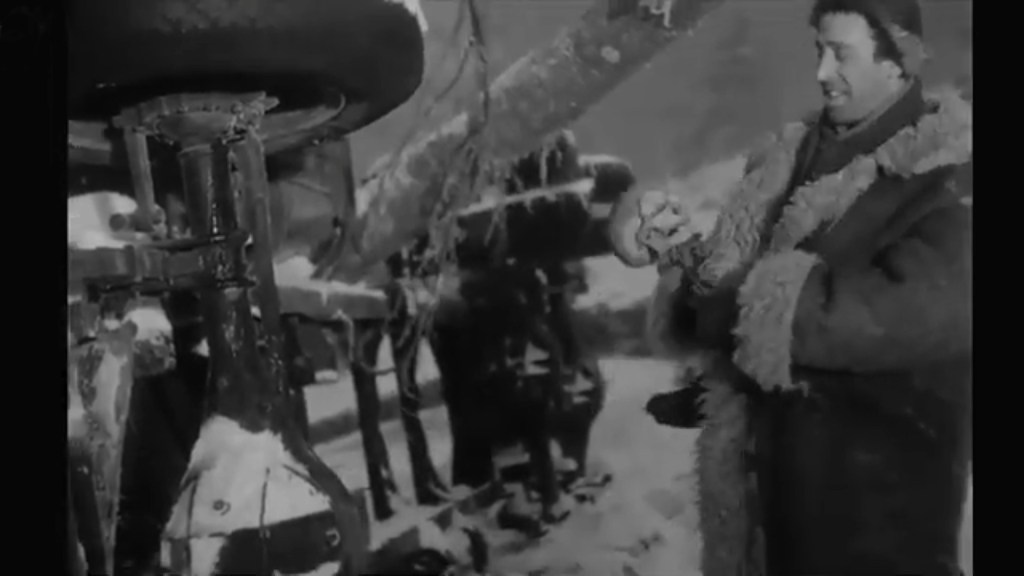
Jeester! One of the unfortunate log truck drivers in this story pulls a skull out of an overturned truck in a ditch. This skull, supposedly used by another colleague, Grzegorzewski, as a talisman and fetish for his travels, is diabolically ironic considering that Marek Hłasko, author of the novel on which the film is based, declared that the post-war socialist system turned people into living corpses. Unfortunately, the director of this film made obvious concessions to the Communist Party, and this version is propagandistic, albeit disguised as a ‘pragmatic version.’
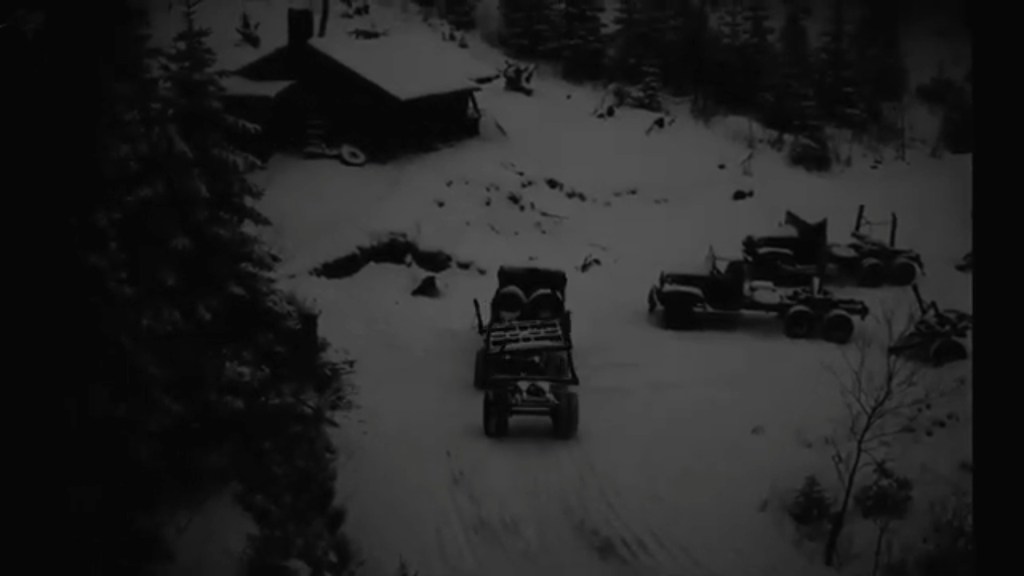
Director Petelski has to comply with the guidelines and ideological dress code of the state. On the other hand, it is natural that the author, Marek Hłasko, asked for his name to be removed from the credits given the happy ending of the work. Hłasko’s vision is pessimistic because he has direct experience of the subject. He was a driver at the Bystrzyca Kłodzka station in 1950. It is only natural that in his exile in April 1958 he declared to the Paris weekly L’Express: ‘If I told you that the ultimate dream of a worker is to get drunk for two hours to forget everything… you wouldn’t believe me. And yet it’s true. The misfortune of a man in a totalitarian country is the inexhaustible feeling of the grotesque and ridiculous nature of himself… the reduction of dreams… the reduction of desires…’ Originally, the film was intended to expose the dżemsy, scrap truck drivers who symbolise dehumanisation under post-war socialism.
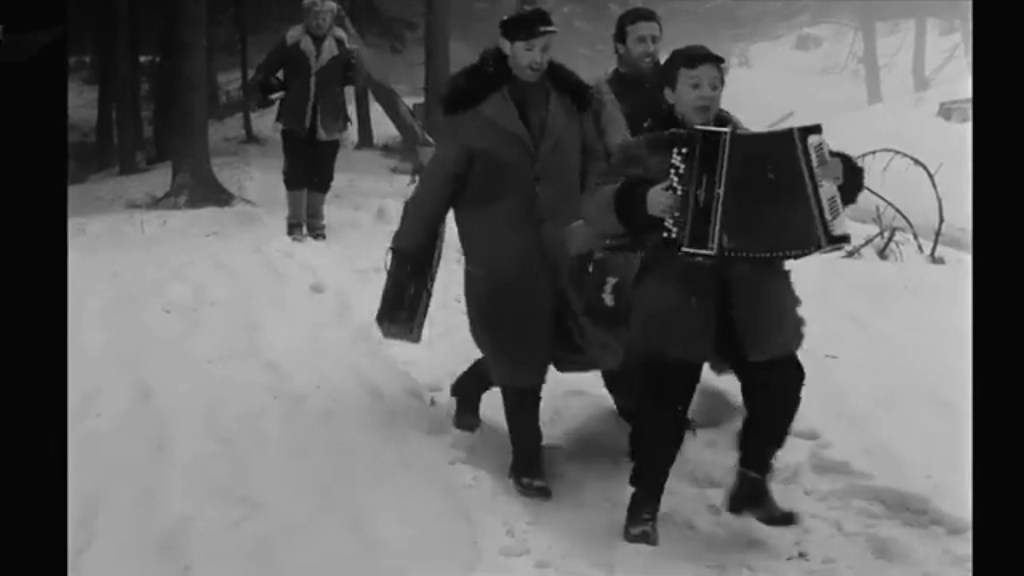
The nickname for the drivers comes from the Polish word ‘dżem’ meaning ‘jam’, a metaphor for the sticky and shapeless state of the workers in this dangerous and poorly paid profession after exhausting days and daily risk of losing their lives, as can be seen in the film. With this context in mind, it is understandable that Tadek’s character is neither evil nor villainous for getting into a fight with Stefan Zabawa, a recipient who has arrived at the station, and his wife Wanda. These are human beings who are fed up with abuse and are suddenly confronted by a stranger, Stefan, who tells them that they cannot leave until the new trucks arrive. The new trucks never arrive in the entire film because they are Hłasko’s metaphor for ridiculing the twisted promises of progress and prosperity that communism never delivered to all its comrades in order to instil them with enthusiasm and keep them as human cogs in the machine, giving their youth, health and lives for their country. Not even Wanda, Stefan’s wife, is willing to stay there and uses her charms to seduce Nine. Unfortunately, one by one, almost all of them will die to fulfil this strategy of optimising the homeland.

First Nine, who after sleeping with Wanda promises to take her away. He would have done so, but to avoid a group of young people travelling in the opposite direction on the muddy road, he swerved to save the pedestrians and crashed along with the inspector who was his co-driver, dying instantly without the lucky skull on the truck’s bumper bringing him the good luck he had hoped for. Later, Wanda makes arrangements with the Partisan and then with the motorcyclist who pays the workers’ wages and arrives regularly at the station. Apostol, another colleague, dies in an accident when he is crushed by huge tree trunks. Those same logs that the inspector, the same one who died with Nueve, harangued the drivers, saying, ‘Those logs are waiting for human beings who depend on your patriotic and honourable work,’ and so on.

Everyone lies to Wanda, and the only one who didn’t was rejected by her, Tadeos, to whom the young woman said she would never run away with him, ‘look at yourself in the mirror and you’ll understand.’ Alluding to his ugliness. In the end, when only Tadeo is left and he is about to leave, after saying goodbye to Stefan, he turns off the engine and, like in a Walt Disney film, tells him that he will stay, showing that all the comrades accept a kind of destiny in favour of their communist homeland, despite the trail of their comrades who have died for the cause of that prosperity which, like the new trucks, is just around the corner. I only gave it 7/10 for the excellent photography and the scene with the truck that Nueve was driving when he collapsed is exceptional, but in reality the propaganda is too obvious and ruined the author’s message.
 Pantagruel´s liquor
Leave a comment