
Review by Fernando Figueroa
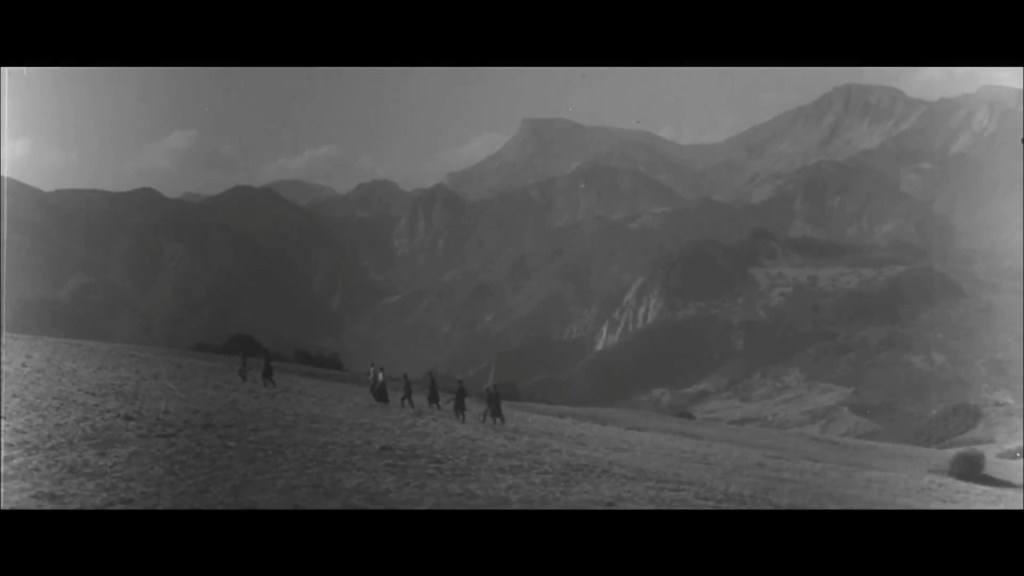
It is no coincidence that the Azerbaijani title ‘Od içinda’ (‘in the fire’) foreshadows the powder keg that the Transcaucasian region became, where the events of this interesting but dense film take place. After the fall of the Russian Empire, there was no shortage of dictators such as Colonel Ilyaseviç who aspired to maintain tsarist privileges through alliances with Kazakhs and other ethnic groups in the area, in order to maintain control in Mughan, especially of grain at a time of severe shortages, in order to have the material resources with which to traffic influence and be supported by the British in their crusade against Islam and the Bolsheviks or Mensheviks who opposed them, as the case may be.
The central plot of the film revolves around the sentimental subplot between the beautiful Tatyana, niece of an uncle fiercely loyal to the fallen Tsarist Empire, and Amir Tomar, who dreams of reviving Sharia law to restore moral order in Azerbaijan, which is in moral decline. But Amir’s father disapproves of his son’s relationship with that despicable Russian woman and banishes the young man who dreamed of marrying Tatyana.
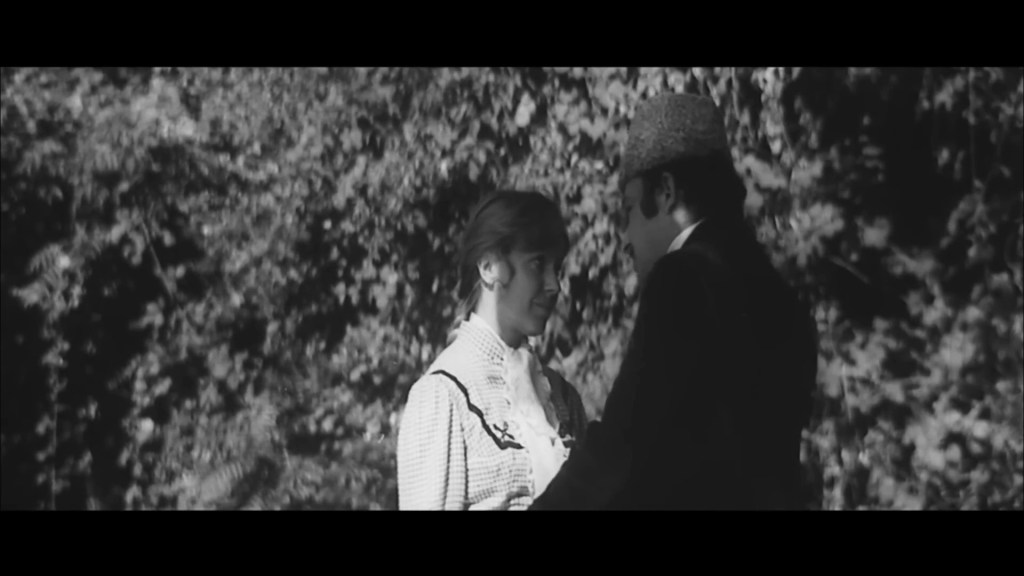
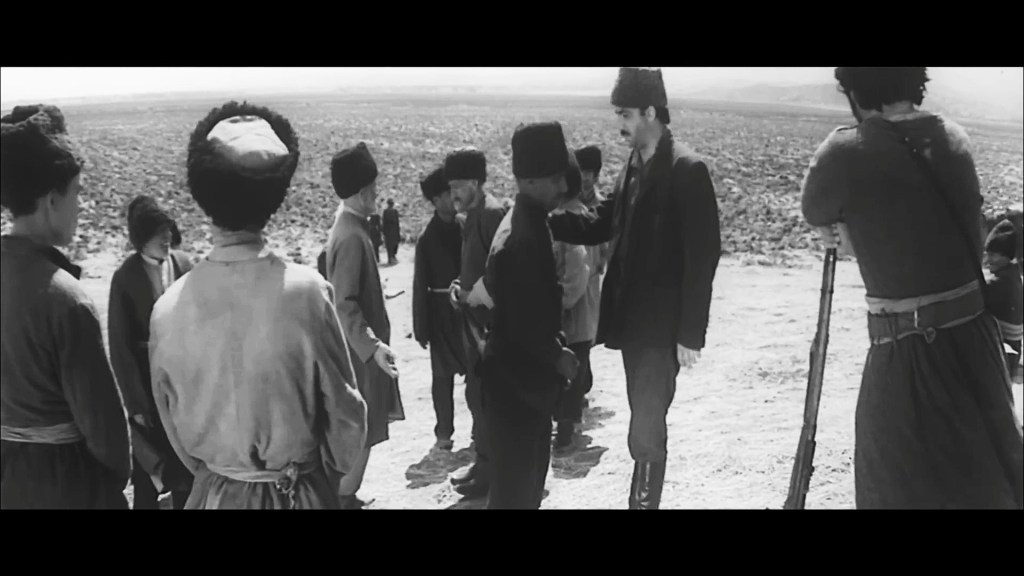
When Tatyana informs him that this will not be possible, despite her love for him, because the revolutionary cause demands her participation, Amir, heartbroken, cannot resist and commits suicide in his own luxurious quarters. Tatyana, on the other hand, joins the gang of Rizvan, Andrey and others and successfully storms the headquarters of the dictator Ilyaseviç. They are later joined by Ulyantsev. Other soldiers arrive at the scene and demand the release of the dictator colonel, but the coup leaders demand that the death sentence against the Bolsheviks in Dagestan be revoked. The military refuses. The outcome seals the historical episode of Mughan in 1919 for Azerbaijan. The battle is bloody and one by one, first Rizvan, then the fierce Tariqulu, Andrey and Tatyana die at the hands of the much more numerous and better equipped enemy.
 Pantagruel´s liquor
Leave a comment