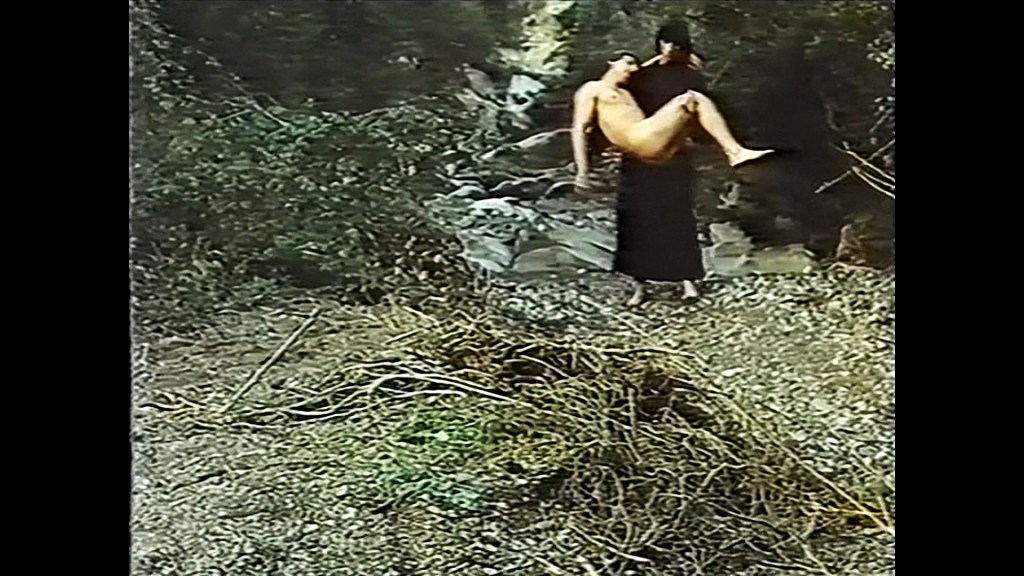
If there were a competition to choose the most mediocre war and Nazi film, Dimorfo would undoubtedly win one of the top spots, but… First of all, and this is no small feat, who thought of using the same track “Tema di Anna” from Stelvio Cipriani’s soundtrack to “L’assassino… è al teléfono”? Did they hide Dimorfo, filmed eight years later, to avoid copyright issues? Secondly, the beginning is ridiculously absurd: they chase naked Jews; one of them dies in front of a priest, and when the fascist officer arrives, we see that this is not the official Nazi uniform, neither Italian nor Spanish. He then spares his life because it’s his birthday? LOL At home things are worse, a daughter-in-law takes care of the bedridden elderly woman Rebecca (but Rebecca looks like a terribly mediocre man disguised as a woman) just as it would have been done in Shakespeare’s century or in Hellenistic theater when women couldn’t act and it is known that female characters were played by men in disguise. After Solomon, the priest or missionary, is welcomed by Alexius, Anna’s husband is sexually rejected by her that same night. Anna pretends that she doesn’t feel well and the melodrama is mean and stinking. Especially because the next day Solomon is incited by Anna and they fornicate “well, one day you had to bite the apple” Anna, the adulterous wife, tells Solomon.
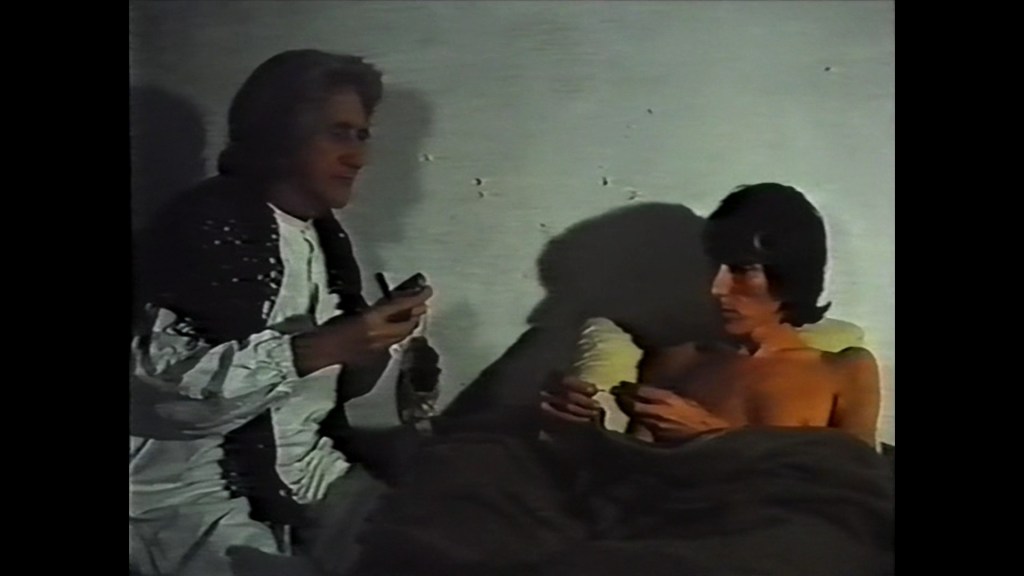
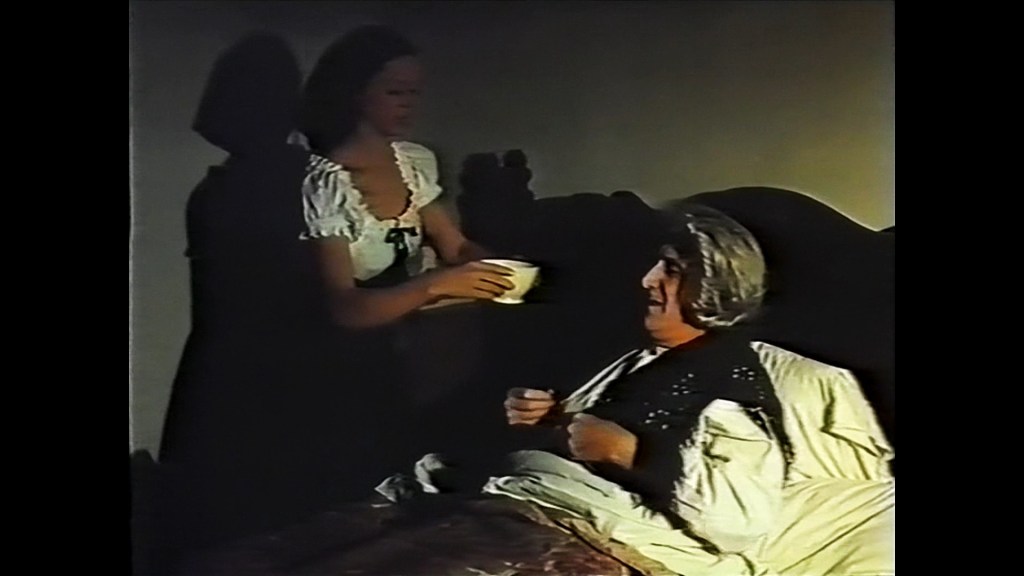
When Doña Rebeca surprises them, she blackmails Salomón and tells him about the inheritance where he can earn a lot of money but he has to get married: the old woman (who is actually old, I already said ye so it’s funny but also scary) proposes marriage and Salomón accepts although in reality he tries to escape but with the shotgun Alejo makes him change his mind “now you keep your word to the old woman” hahaha kidnapped Salomón must return and when he enters he surprises Doña Rebeca shaving haha After Ana dies giving birth to Salomón’s illegitimate son, Doña Rebeca adopts the son as her own and marries Salomón saying that she is happy. But Alejo hears behind the doors that he is the son of his ex-wife and takes the shotgun and kills the child.
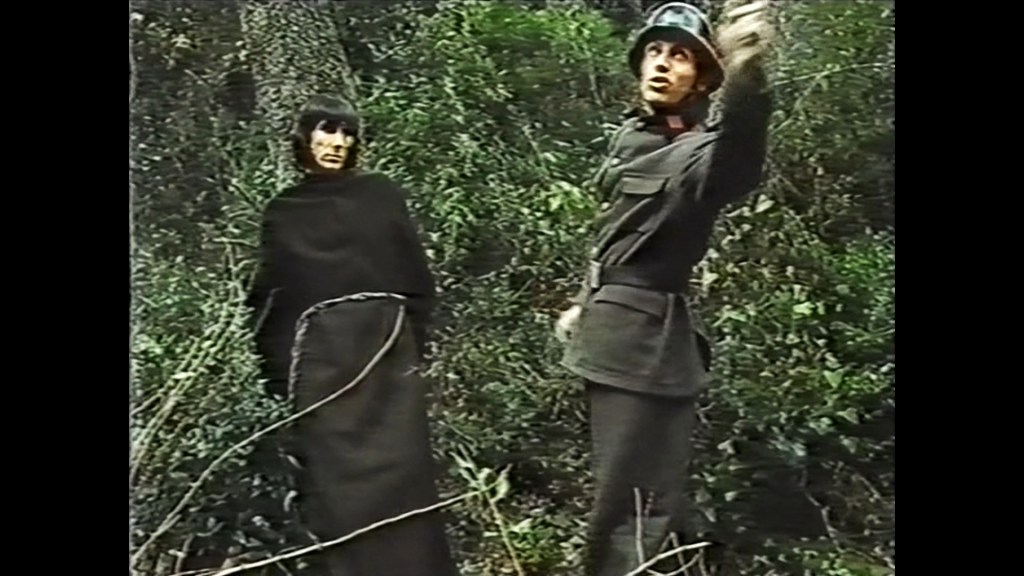
The opportune Nazis arrive and take Alejo and Salomón away. In fact, the officer from the beginning, wearing a uniform at least two sizes too big for him, ridiculously admits, “Today isn’t my birthday,” and we won’t see the pair of boys again. Rebeca alone takes off her wig and thanks Rebeca, the wife she replaced to keep her son safe. She shoots herself, and we only see the wig.
An irrefutable example of the post-Franco countercultural DIY spirit, i've been harsh on Rodjara. This psychoanalytic artifact, which reveals the inevitable splitting and eventual fragmentation of the identity of a father supplanting the mother, is unorthodox even at a time when Spain, a year earlier in 1980, was launching its Film Law without subsidizing crazy but intelligent projects. I retract and re-evaluate.
TAGS: Post-Franco Spanish Cinema doppelgänger
 Pantagruel´s liquor
Leave a comment