女優 Joyu
Dir. Teinosuke Kinugasa
Japón, 1947
★★★★★
Review by Fernando Figueroa
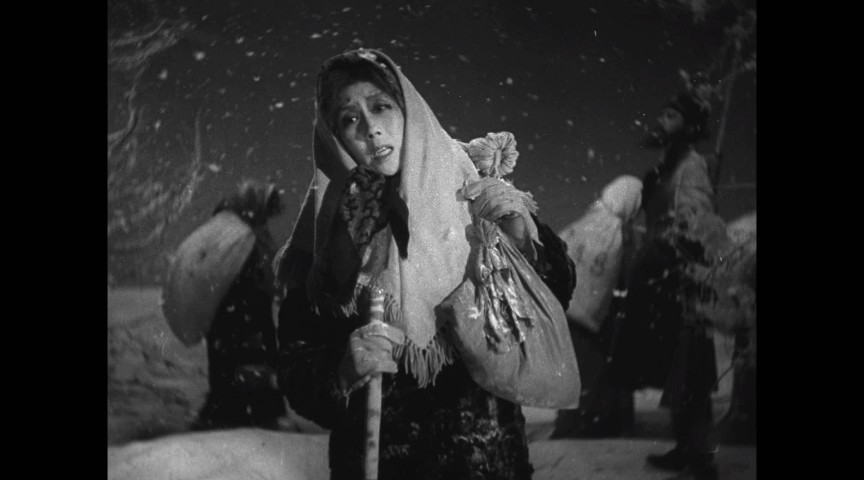
On the verge of resigning from his position due to pressure from the scandal surrounding his affair with the star of Ibsen’s play, two years later, in 1914, a few months before the start of World War I, the Matsui and Shimamura duo achieved overwhelming success with the premiere at the Geijutsuza Theater in Tokyo (which they both founded) of the first ryūkōka, or Japanese popular song, clearly influenced by Western traits, with the song “Katyusha no Uta.” This film shows the live piano sequence with music by Shinpei Nakayama and lyrics by Soeda Azenbō in Leo Tolstoy’s Resurrection. Matsui is stunning and, as can be seen, heartbreaking in her portrayal of the almost virile struggle for emancipation through the prostitute in Tolstoy’s novel, Katusha Maslova, who is tried for murder. Soon, however, the ravages of age take their toll, with Shimamura falling ill with Spanish flu, and while Matsui was playing Eiko in the play “Josei Matsuri,” her beloved dies. Kinugasa is masterful and discreet but heartbreaking in this part of the simultaneous death of the director and the character on stage, but above all in contrasting the greed of Shimamura’s widow with Matsui’s brother for the royalties, incredible as it may seem with the director’s body still fresh four days after his death and all his colleagues pressuring the bereaved and suffering actress in front of the image of the deceased. It is not surprising that Matsui committed suicide two months after Shimamura’s death, after having inaugurated the cycle of Japanese popular songs with Western influence that no one could stop.

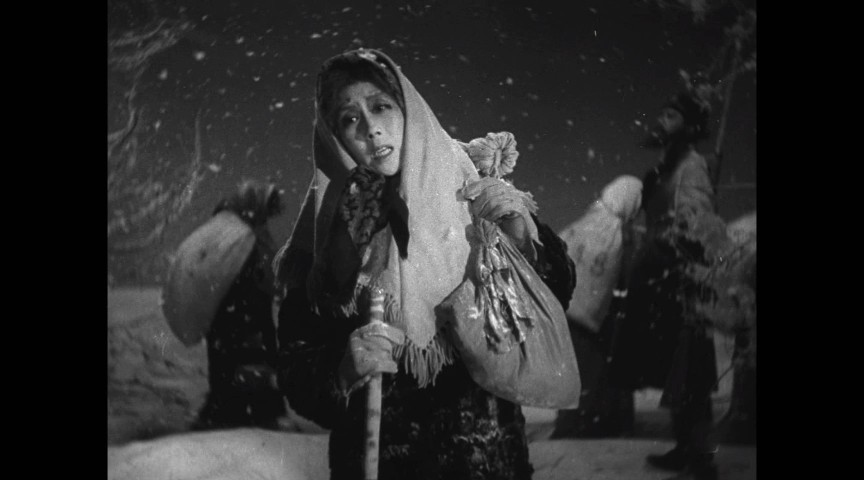
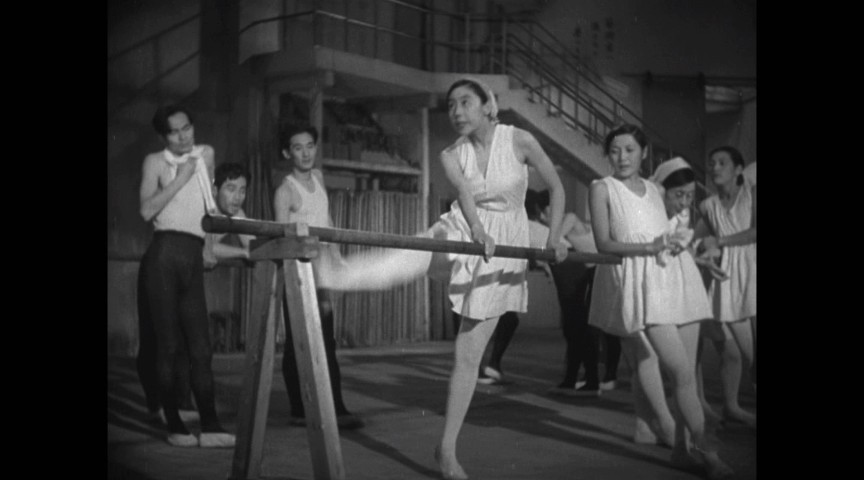
Kinugasa presents a captivating gem whose simple, charming plot emotionally connects the viewer with the indomitable feminine spirit of the outstanding actress Sumako Matsui, catapulted to fame by Shimamura after an unlikely and tortuous beginning. This version is certainly superior to Mizoguchi’s much more pretentious visual approach. The magic of this version lies immediately in Yamada’s expressiveness, capturing the suffocating female microcosm, in relation to the rising female actress but in the context of gender, albeit only in its infancy during the immediate post-war period in Japan. In contrast to the tired premises of the early 20th century, especially the place of women, the divorced Masako Kobayashi, her real name before she changed it for artistic purposes, is first confronted with hostile gestures and mocking laughter, with the resistance of the women themselves, Shimamura’s occasional or not occasional female pupils. Ironically, in this work, Matsui confesses to her teacher that she feels very similar to Nora Helmer in Ibsen’s A Doll’s House, a play they are studying, when in reality the only thing she has in common with that bourgeois woman, who causes a scandal by abandoning her comforts but even has a maid for her children, is her courage to determine her own destiny, due to her humble origins. In any case, Kinugasa brilliantly portrays the impressive debut of the female star playing Nora at the Osaka Nakaza Theater in 1912, the last year of the Meiji era. Right there, the male lead actor, Hirai, declares his love for her and offers her marriage on stage, to which Masako responds with evasiveness and nervous laughter, while Shimamura’s relatives, such as Otaka, the woman he will later leave, and his own mother, call the director’s attention without receiving a concrete response beyond a few minutes of conversation, despite pointing out that his female star on stage has caused the ruin of the Kobayashi family.

 Pantagruel´s liquor
Leave a comment