L’Alpagueur
Directed by Philippe Labro
★★★½
Review by Fernando Figueroa
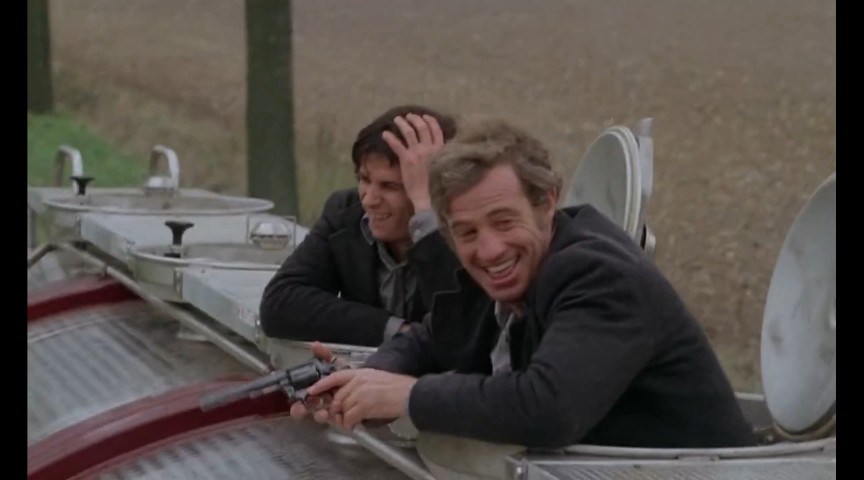
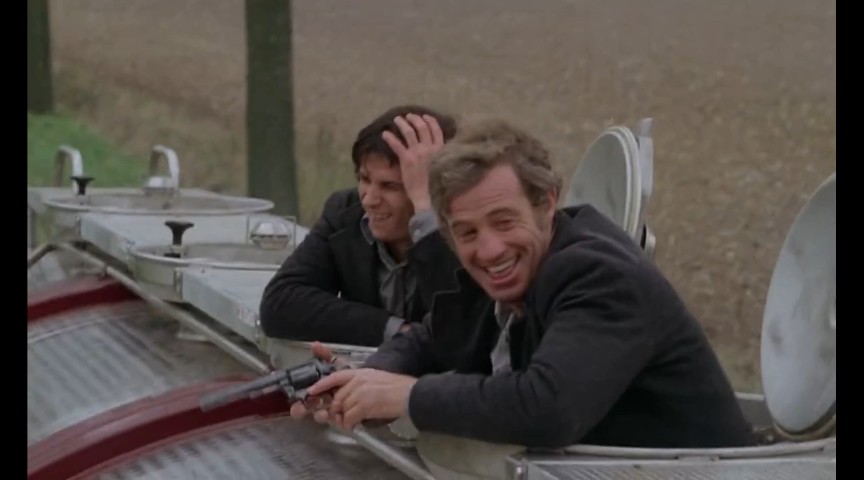
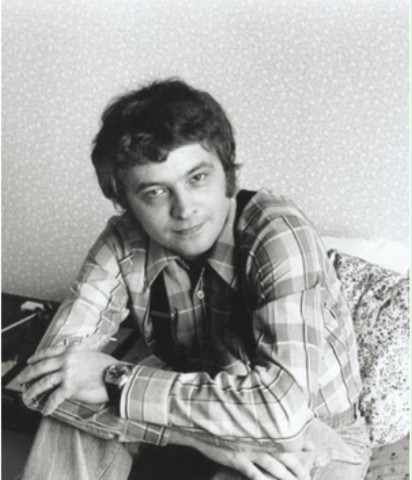
A role written specifically for Belmondo, this neo-noir film showcases the traditional bravado that characterizes his reckless characters, despite being a mercenary with a transparent amoral luxury, an antibacterial smile, and hints of cynicism here and there, with the unyielding spirit of a vigilante hitman, not to mention his carefree charisma as he repeats ” Coffee, pousse-café, cigar.” The frankly unlikely encounter and friendship between the young convict Costa Valdez and the mercenary Roger Pilard, ‘L’alpagueur,’ cynical enough to be Belmondo’s alter ego in the 1970s and who, had just been deliberately imprisoned, thanks to a not-so-new ruse involving the name Lafont de Canada and the help of lawyer Doumeq, follows the trail, or rather tries to figure out how L’Épervier, played by Bruno Cremer, took advantage of Valdez, just as he had done before with marginalized, maladjusted young men whom no one would look for, let alone know. Knowing Belmondo and how he endows his histrionic characters, we expected a sardonic mercenary with a twisted sense of ethics, who would at least help Valdez get out of jail, but Philippe Labro spends his mystery on the ambiguous motivations of his villain, L’Épervier.
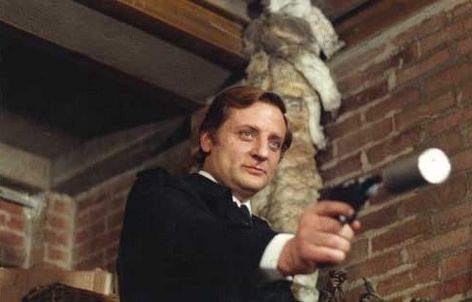
L’Épervier in Labro’s neo-polar has unmistakable similarities with more than one of Manchette’s murderous characters. For example, L’Épervier’s method of systematically eliminating his accomplices—the young men—is a ruthless strategy to remain invisible, like a true “hawk” who attacks and disappears without a trace, guaranteeing his survival and freedom in the criminal world, reminiscent of the hitman Martin Terrier in “La Position du tireur couché”; both devoid of apparent emotions and focused solely on the perfect execution of the plan. It also brings to mind the cold-blooded killer Aimée from the novel Fatale “Morgue pleine” for her sentimental and emotional disregard for the past. This is especially evident in the homicides at the Cordell Bank in Beaumont-sur-Oise, where neither the cashier nor anyone else offered resistance and were cunningly murdered by L’Épervier.
The action is entertaining, with both L’alpagueur and Valdez having to escape from prison, jumping from a moving truck and leaving a couple of Englishmen naked in the middle of the road. With a shotgun loaded, L’alpagueur pretends to be dead and eliminates the last villain while his lawyer Doumecq arrives and is almost killed outside the old building when he is wounded. Valdez escapes to get the money in the abandoned house where he was hiding, and the boy still thinks he can buy an island, as L’alpagueur jokingly told him. But he never imagined that at the same time L’Épervier arrived at the scene and shot him at point-blank range with his classic silencer. He found out from a newspaper, which also reported the real-life death of Graham Hill, the racing champion, when his plane crashed on November 29, 1975, a year before this film was released.
The Sparrow thought he would get away with it and continued to pretend to be a first-class flight attendant, but L’Épervier was waiting for him. He even had the nerve to order champagne and say, “To your health, Coco.” That was what L’Épervier called the young men he used to get rid of after the robbery, and he knew it from Valdez. With “Coco,” Philippe Labro pays tribute to his friend Jean-Pierre Melville, who died just a few years before this film was made, as it was an expression used by Melville in his close circle. The ending is sealed with a quote from the character Sir Robert Chiltern in Oscar Wilde’s play An Ideal Husband. Chiltern cannot redeem himself from the state secret he sold to Baron Arnheim in his youth, but with all the success and money he already had, he was able to hide it. L’Épervier was already a millionaire thanks to his opportunistic robberies, and L’alpagueur would most likely not have gone after him, but he killed Valdez because he felt empathy for him, and neither his anonymity nor his wealth could save him from that small detail in his past.
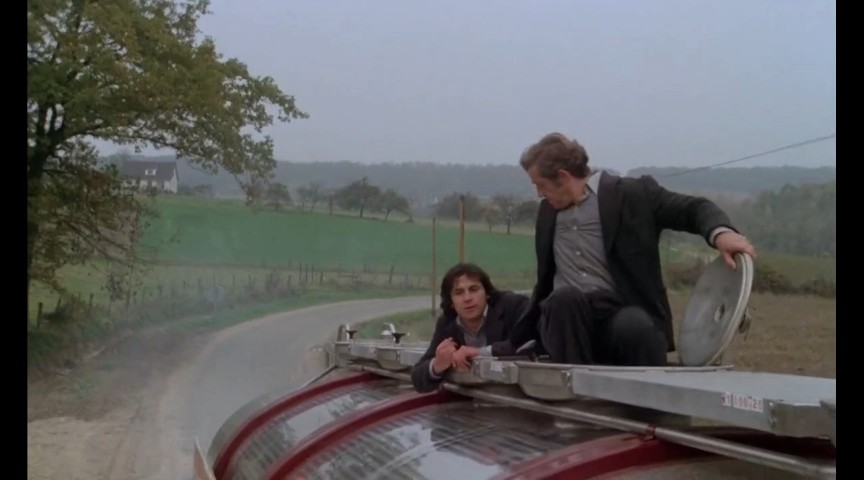
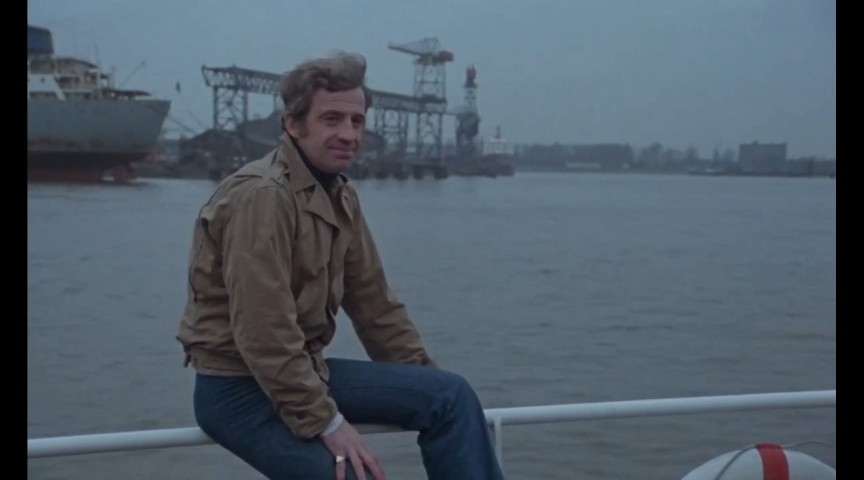

” Coffee, pousse-café, cigar.”
- Vreemd bloed/The Odd One Out (2010) dir, Johan Timmers
- 10 историй о любви и смерти/ 10 STORIES ABOUT LOVE AND DEATH (2026) dir, Andrey Golovkov ★★★
- Zwei Ansichten/ Dos Opiniones (1965) by Uwe Johnson
- سگهای ولگرد/Stray Dogs (2004) dir, Marziyeh Meshkiny ★★★★★
- Hajduk/ The Outlaw (1980) dir, Aleksandar Petković ★★★★
 Pantagruel´s liquor
Leave a comment